
 https://armtribunal.com/wp-content/uploads/2026/05/ara-vardanjan.jpg
720
1280
admin
/wp-content/uploads/2025/03/logo_main.png
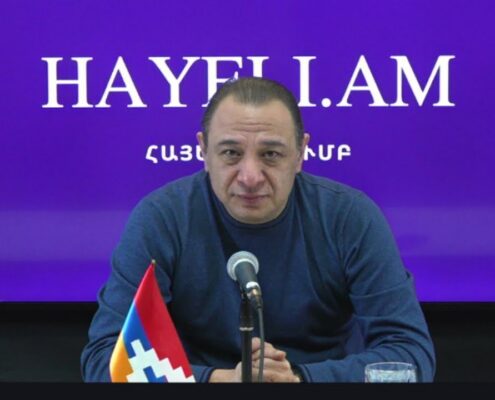
admin2026-05-31 13:15:152026-05-31 13:15:24Ара Варданян: «Кризис в отношениях с Россией — следствие многолетней политики»
https://armtribunal.com/wp-content/uploads/2026/05/ara-vardanjan.jpg
720
1280
admin
/wp-content/uploads/2025/03/logo_main.png
admin2026-05-31 13:15:152026-05-31 13:15:24Ара Варданян: «Кризис в отношениях с Россией — следствие многолетней политики»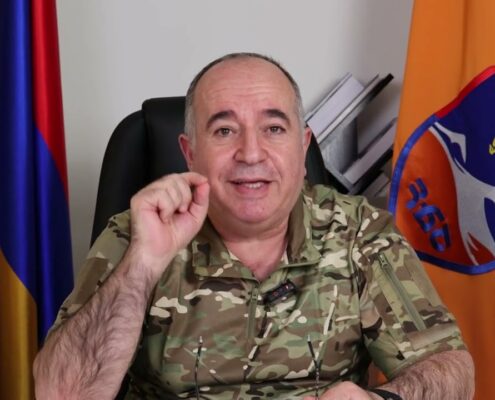 https://armtribunal.com/wp-content/uploads/2026/05/maxresdefault-7.jpg
720
1280
admin
/wp-content/uploads/2025/03/logo_main.png
admin2026-05-31 11:29:032026-05-31 11:29:03Аршак Карапетян: Армения не воспользовалась возможностями ОДКБ и России в 2020 году
https://armtribunal.com/wp-content/uploads/2026/05/maxresdefault-7.jpg
720
1280
admin
/wp-content/uploads/2025/03/logo_main.png
admin2026-05-31 11:29:032026-05-31 11:29:03Аршак Карапетян: Армения не воспользовалась возможностями ОДКБ и России в 2020 году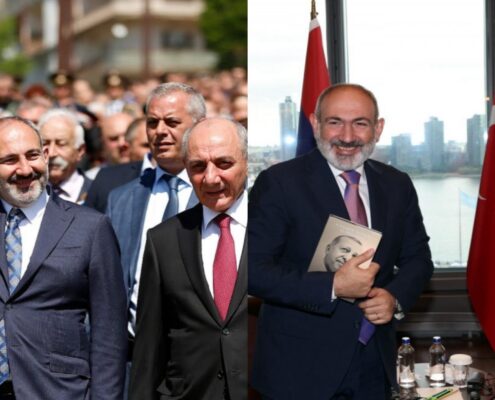 https://armtribunal.com/wp-content/uploads/2026/05/collage2photos1779958176453.jpg
1260
1782
admin
/wp-content/uploads/2025/03/logo_main.png
admin2026-05-28 11:49:102026-05-28 11:55:58КАК НИКОЛ ПАШИНЯН ШАГ ЗА ШАГОМ ЛИШАЛ АРМЕНИЮ ПЕРЕГОВОРНЫХ ПРЕИМУЩЕСТВ
https://armtribunal.com/wp-content/uploads/2026/05/collage2photos1779958176453.jpg
1260
1782
admin
/wp-content/uploads/2025/03/logo_main.png
admin2026-05-28 11:49:102026-05-28 11:55:58КАК НИКОЛ ПАШИНЯН ШАГ ЗА ШАГОМ ЛИШАЛ АРМЕНИЮ ПЕРЕГОВОРНЫХ ПРЕИМУЩЕСТВ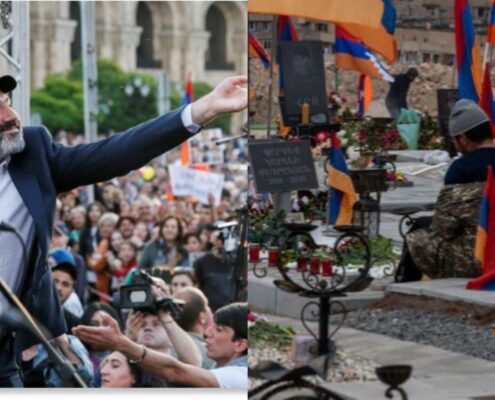 https://armtribunal.com/wp-content/uploads/2026/05/collage2photos1779952691536.jpg
1260
1782
admin
/wp-content/uploads/2025/03/logo_main.png
admin2026-05-28 10:21:122026-05-28 11:41:18ПРЕДАТЕЛЬСТВО, КОТОРОЕ ПРЕПОДНОСИЛОСЬ КАК «РЕВОЛЮЦИЯ»
https://armtribunal.com/wp-content/uploads/2026/05/collage2photos1779952691536.jpg
1260
1782
admin
/wp-content/uploads/2025/03/logo_main.png
admin2026-05-28 10:21:122026-05-28 11:41:18ПРЕДАТЕЛЬСТВО, КОТОРОЕ ПРЕПОДНОСИЛОСЬ КАК «РЕВОЛЮЦИЯ»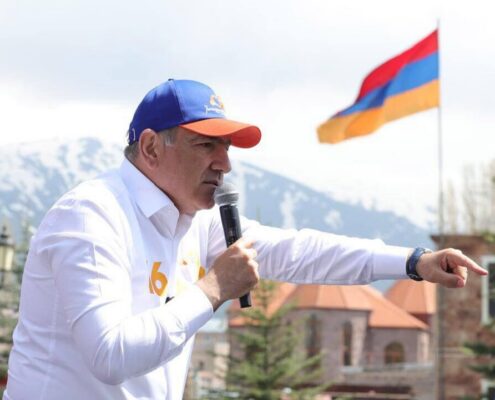 https://armtribunal.com/wp-content/uploads/2026/05/nikol-pashinjan-predvybornaja-agitacija.jpg
721
1280
admin
/wp-content/uploads/2025/03/logo_main.png
admin2026-05-27 13:13:222026-05-27 20:39:07ОЧЕРЕДНОЙ ОБМАН «СТАЛЬНОГО МАНДАТА», ИЛИ КАК АРМЕНИЮ ВЕДУТ К НОВОЙ КАТАСТРОФЕ
https://armtribunal.com/wp-content/uploads/2026/05/nikol-pashinjan-predvybornaja-agitacija.jpg
721
1280
admin
/wp-content/uploads/2025/03/logo_main.png
admin2026-05-27 13:13:222026-05-27 20:39:07ОЧЕРЕДНОЙ ОБМАН «СТАЛЬНОГО МАНДАТА», ИЛИ КАК АРМЕНИЮ ВЕДУТ К НОВОЙ КАТАСТРОФЕ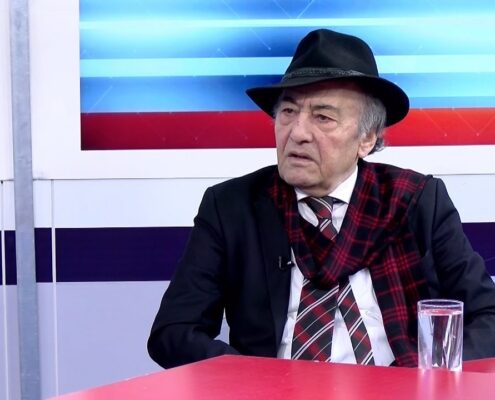 https://armtribunal.com/wp-content/uploads/2026/05/maxresdefault-2.jpg
720
1280
admin
/wp-content/uploads/2025/03/logo_main.png
admin2026-05-27 10:51:322026-05-27 10:51:32ТЕР-ГУЛАНЯН: «ПОВЕРЬТЕ, ЧТО ГОЛОС КАЖДОГО ИЗ НАС ОЧЕНЬ ВАЖЕН»
https://armtribunal.com/wp-content/uploads/2026/05/maxresdefault-2.jpg
720
1280
admin
/wp-content/uploads/2025/03/logo_main.png
admin2026-05-27 10:51:322026-05-27 10:51:32ТЕР-ГУЛАНЯН: «ПОВЕРЬТЕ, ЧТО ГОЛОС КАЖДОГО ИЗ НАС ОЧЕНЬ ВАЖЕН»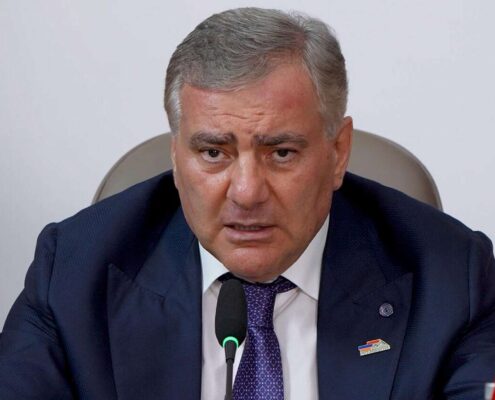 https://armtribunal.com/wp-content/uploads/2026/05/samvel-karapetjan.jpg
1165
2072
admin
/wp-content/uploads/2025/03/logo_main.png
admin2026-05-27 07:44:402026-05-27 07:44:40Самвел Карапетян требует расследовать преступления 44-дневной войны
https://armtribunal.com/wp-content/uploads/2026/05/samvel-karapetjan.jpg
1165
2072
admin
/wp-content/uploads/2025/03/logo_main.png
admin2026-05-27 07:44:402026-05-27 07:44:40Самвел Карапетян требует расследовать преступления 44-дневной войны https://armtribunal.com/wp-content/uploads/2026/05/feliks-gabrieljan.png
510
770
admin
/wp-content/uploads/2025/03/logo_main.png
admin2026-05-26 15:26:322026-05-26 15:26:32ABOUT DEVOTION TO THE MOTHERLAND AND A HERO’S FATE IN THE ERA OF “VELVET” TRAITORS
https://armtribunal.com/wp-content/uploads/2026/05/feliks-gabrieljan.png
510
770
admin
/wp-content/uploads/2025/03/logo_main.png
admin2026-05-26 15:26:322026-05-26 15:26:32ABOUT DEVOTION TO THE MOTHERLAND AND A HERO’S FATE IN THE ERA OF “VELVET” TRAITORS https://armtribunal.com/wp-content/uploads/2026/05/verhnij-lars.jpg
1165
2072
admin
/wp-content/uploads/2025/03/logo_main.png
admin2026-05-25 16:15:292026-05-25 16:15:29АРМЕНИЯ ПЕРЕД ВЫБОРОМ: СМОЖЕТ ЛИ ЕВРОПА ЗАМЕНИТЬ РОССИЮ
https://armtribunal.com/wp-content/uploads/2026/05/verhnij-lars.jpg
1165
2072
admin
/wp-content/uploads/2025/03/logo_main.png
admin2026-05-25 16:15:292026-05-25 16:15:29АРМЕНИЯ ПЕРЕД ВЫБОРОМ: СМОЖЕТ ЛИ ЕВРОПА ЗАМЕНИТЬ РОССИЮ https://armtribunal.com/wp-content/uploads/2026/05/collage2photos1779711048788.jpg
1260
1782
admin
/wp-content/uploads/2025/03/logo_main.png
admin2026-05-25 15:18:022026-05-25 15:18:02THE OTHER SIDE OF PASHINYAN’S “REAL ARMENIA”: DRUGS, APATHY, AND MORAL DECLINE
https://armtribunal.com/wp-content/uploads/2026/05/collage2photos1779711048788.jpg
1260
1782
admin
/wp-content/uploads/2025/03/logo_main.png
admin2026-05-25 15:18:022026-05-25 15:18:02THE OTHER SIDE OF PASHINYAN’S “REAL ARMENIA”: DRUGS, APATHY, AND MORAL DECLINE