
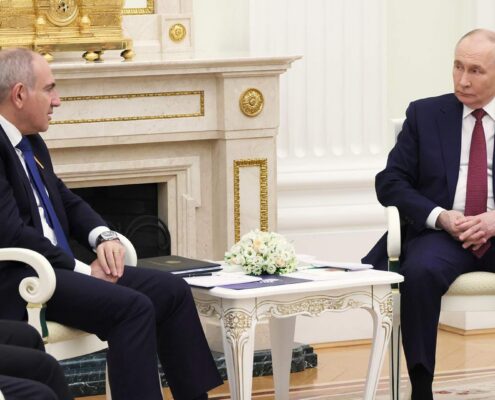
 https://armtribunal.com/wp-content/uploads/2026/04/vstrecha-putina-s-pashinjanom.jpg
1080
1920
admin
/wp-content/uploads/2025/03/logo_main.png
admin2026-06-15 09:53:312026-06-15 09:56:10PASHINYAN AND THE CRISIS OF ARMENIAN-RUSSIAN RELATIONS: GOLOS ARMENII’S VIEW
https://armtribunal.com/wp-content/uploads/2026/04/vstrecha-putina-s-pashinjanom.jpg
1080
1920
admin
/wp-content/uploads/2025/03/logo_main.png
admin2026-06-15 09:53:312026-06-15 09:56:10PASHINYAN AND THE CRISIS OF ARMENIAN-RUSSIAN RELATIONS: GOLOS ARMENII’S VIEW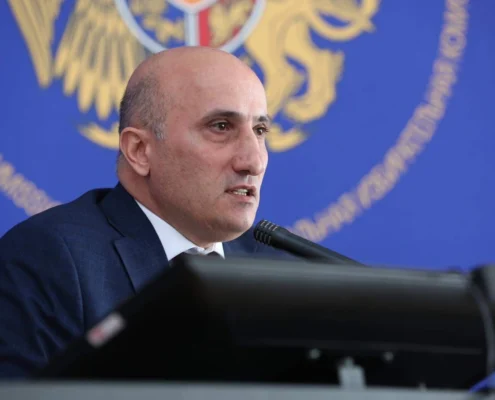 https://armtribunal.com/wp-content/uploads/2026/06/vaagn-ovakimjan-predsedatel-cik.webp
1066
1600
admin
/wp-content/uploads/2025/03/logo_main.png
admin2026-06-13 11:49:032026-06-13 12:26:42ПОЛУНОЧНЫЙ ФОКУС ВААГНА ОВАКИМЯНА
https://armtribunal.com/wp-content/uploads/2026/06/vaagn-ovakimjan-predsedatel-cik.webp
1066
1600
admin
/wp-content/uploads/2025/03/logo_main.png
admin2026-06-13 11:49:032026-06-13 12:26:42ПОЛУНОЧНЫЙ ФОКУС ВААГНА ОВАКИМЯНА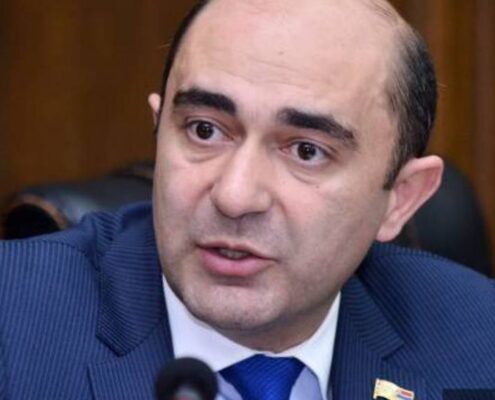 https://armtribunal.com/wp-content/uploads/2025/08/jedmon-marukjan.jpg
570
1140
admin
/wp-content/uploads/2025/03/logo_main.png
admin2026-06-13 10:04:022026-06-13 10:04:02«НАС СНОВА ПЫТАЮТСЯ ОБМАНУТЬ». ЭДМОН МАРУКЯН — О СЕРЖЕ САРГСЯНЕ, АВТОРАХ КОНСТИТУЦИИ И НОВОЙ ИГРЕ ВОКРУГ ДЕПУТАТСКИХ МАНДАТОВ
https://armtribunal.com/wp-content/uploads/2025/08/jedmon-marukjan.jpg
570
1140
admin
/wp-content/uploads/2025/03/logo_main.png
admin2026-06-13 10:04:022026-06-13 10:04:02«НАС СНОВА ПЫТАЮТСЯ ОБМАНУТЬ». ЭДМОН МАРУКЯН — О СЕРЖЕ САРГСЯНЕ, АВТОРАХ КОНСТИТУЦИИ И НОВОЙ ИГРЕ ВОКРУГ ДЕПУТАТСКИХ МАНДАТОВ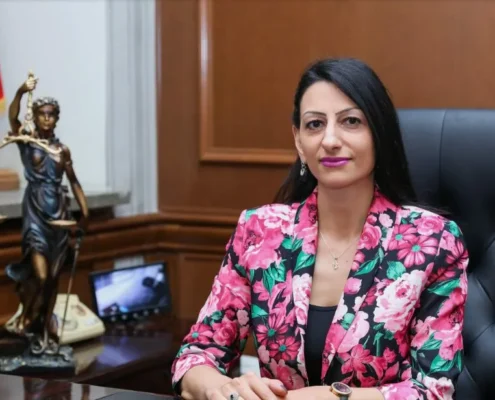 https://armtribunal.com/wp-content/uploads/2026/06/anait-manasjan.webp
616
1062
admin
/wp-content/uploads/2025/03/logo_main.png
admin2026-06-12 11:07:442026-06-12 11:34:11ЦЕНА МОЛЧАНИЯ ЗАЩИТНИКА ПРАВ ЧЕЛОВЕКА АНАИТ МАНАСЯН
https://armtribunal.com/wp-content/uploads/2026/06/anait-manasjan.webp
616
1062
admin
/wp-content/uploads/2025/03/logo_main.png
admin2026-06-12 11:07:442026-06-12 11:34:11ЦЕНА МОЛЧАНИЯ ЗАЩИТНИКА ПРАВ ЧЕЛОВЕКА АНАИТ МАНАСЯН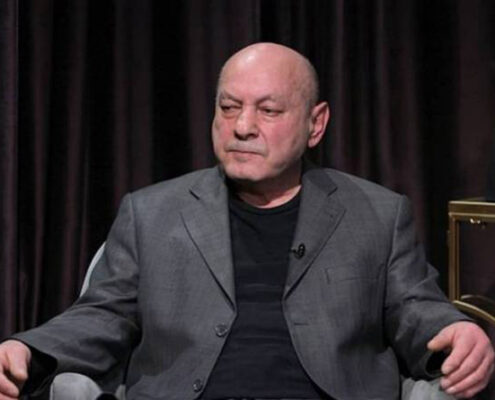 https://armtribunal.com/wp-content/uploads/2026/06/albert-bazejan.jpg
445
669
admin
/wp-content/uploads/2025/03/logo_main.png
admin2026-06-12 09:01:032026-06-12 09:01:03«НИКОЛ БУДЕТ ПОЖИЗНЕННО СИДЕТЬ В ТЮРЬМЕ»: АЛЬБЕРТ БАЗЕЯН О ФАЛЬСИФИКАЦИЯХ И УЗУРПАЦИИ ВЛАСТИ
https://armtribunal.com/wp-content/uploads/2026/06/albert-bazejan.jpg
445
669
admin
/wp-content/uploads/2025/03/logo_main.png
admin2026-06-12 09:01:032026-06-12 09:01:03«НИКОЛ БУДЕТ ПОЖИЗНЕННО СИДЕТЬ В ТЮРЬМЕ»: АЛЬБЕРТ БАЗЕЯН О ФАЛЬСИФИКАЦИЯХ И УЗУРПАЦИИ ВЛАСТИ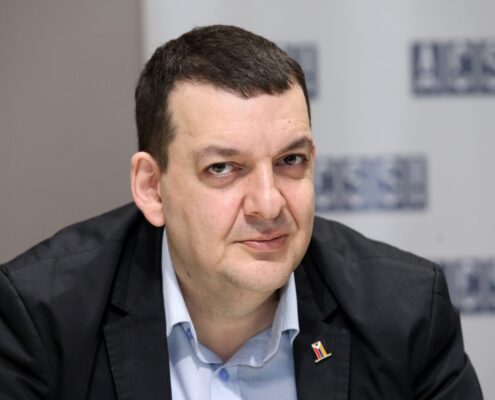 https://armtribunal.com/wp-content/uploads/2026/06/tigran-kocharjan.jpg
1707
2560
admin
/wp-content/uploads/2025/03/logo_main.png
admin2026-06-11 07:28:232026-06-11 07:30:45ПОЧЕМУ ЦИК НОЧЬЮ ОСТАНОВИЛ ПОДСЧЁТ ГОЛОСОВ — КАК В МОЛДАВИИ? ТИГРАН КОЧАРЯН СТАВИТ ПОД СОМНЕНИЕ ИТОГИ ВЫБОРОВ
https://armtribunal.com/wp-content/uploads/2026/06/tigran-kocharjan.jpg
1707
2560
admin
/wp-content/uploads/2025/03/logo_main.png
admin2026-06-11 07:28:232026-06-11 07:30:45ПОЧЕМУ ЦИК НОЧЬЮ ОСТАНОВИЛ ПОДСЧЁТ ГОЛОСОВ — КАК В МОЛДАВИИ? ТИГРАН КОЧАРЯН СТАВИТ ПОД СОМНЕНИЕ ИТОГИ ВЫБОРОВ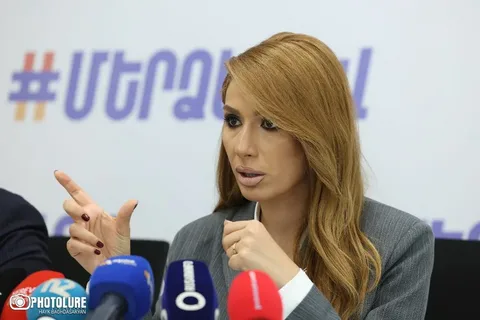 https://armtribunal.com/wp-content/uploads/2026/06/goar-melojan.webp
320
480
admin
/wp-content/uploads/2025/03/logo_main.png
admin2026-06-10 16:26:032026-06-10 16:26:03MELOYAN’S RED LINES AND POLITICAL REALITY
https://armtribunal.com/wp-content/uploads/2026/06/goar-melojan.webp
320
480
admin
/wp-content/uploads/2025/03/logo_main.png
admin2026-06-10 16:26:032026-06-10 16:26:03MELOYAN’S RED LINES AND POLITICAL REALITY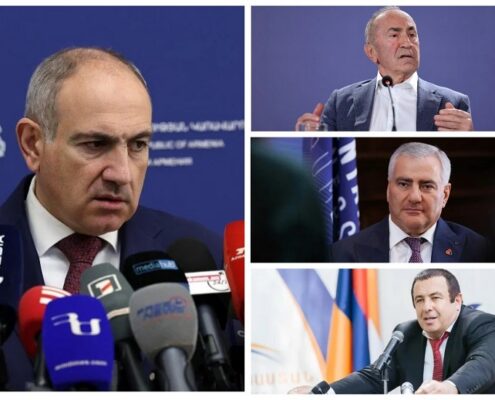 https://armtribunal.com/wp-content/uploads/2026/06/q1isfshxnylx50bf7fjuab8rfjzhi1wf.jpg
550
801
admin
/wp-content/uploads/2025/03/logo_main.png
admin2026-06-10 11:44:382026-06-10 14:03:15MANDATES AND OPPOSITION: THE LAST CHANCE FOR THE OPPOSITION
https://armtribunal.com/wp-content/uploads/2026/06/q1isfshxnylx50bf7fjuab8rfjzhi1wf.jpg
550
801
admin
/wp-content/uploads/2025/03/logo_main.png
admin2026-06-10 11:44:382026-06-10 14:03:15MANDATES AND OPPOSITION: THE LAST CHANCE FOR THE OPPOSITION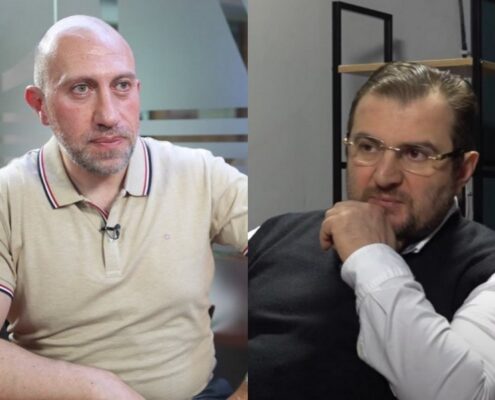 https://armtribunal.com/wp-content/uploads/2026/06/collage2photos1781071789763-1.jpg
600
848
admin
/wp-content/uploads/2025/03/logo_main.png
admin2026-06-10 09:09:192026-06-10 09:23:34СПОР ВОКРУГ МАНДАТОВ: НА ПЕРЕКРЕСТКЕ ПОЛИТИЧЕСКИХ РАСЧЕТОВ И СУДЬБЫ ОППОЗИЦИИ
https://armtribunal.com/wp-content/uploads/2026/06/collage2photos1781071789763-1.jpg
600
848
admin
/wp-content/uploads/2025/03/logo_main.png
admin2026-06-10 09:09:192026-06-10 09:23:34СПОР ВОКРУГ МАНДАТОВ: НА ПЕРЕКРЕСТКЕ ПОЛИТИЧЕСКИХ РАСЧЕТОВ И СУДЬБЫ ОППОЗИЦИИ https://armtribunal.com/wp-content/uploads/2026/06/pashinjan-i-ego-komanda.jpg
663
1074
admin
/wp-content/uploads/2025/03/logo_main.png
admin2026-06-09 14:50:242026-06-09 14:50:24АРИФМЕТИКА НЕДОВЕРИЯ: факты, которые требуют тщательного расследования
https://armtribunal.com/wp-content/uploads/2026/06/pashinjan-i-ego-komanda.jpg
663
1074
admin
/wp-content/uploads/2025/03/logo_main.png
admin2026-06-09 14:50:242026-06-09 14:50:24АРИФМЕТИКА НЕДОВЕРИЯ: факты, которые требуют тщательного расследования