
 https://armtribunal.com/wp-content/uploads/2026/05/pashinjan-v-isterike.jpg
488
600
admin
/wp-content/uploads/2025/03/logo_main.png
admin2026-06-09 10:12:302026-06-09 10:21:56ALL ARE EQUAL BEFORE THE LAW, EXCEPT PASHINYAN
https://armtribunal.com/wp-content/uploads/2026/05/pashinjan-v-isterike.jpg
488
600
admin
/wp-content/uploads/2025/03/logo_main.png
admin2026-06-09 10:12:302026-06-09 10:21:56ALL ARE EQUAL BEFORE THE LAW, EXCEPT PASHINYAN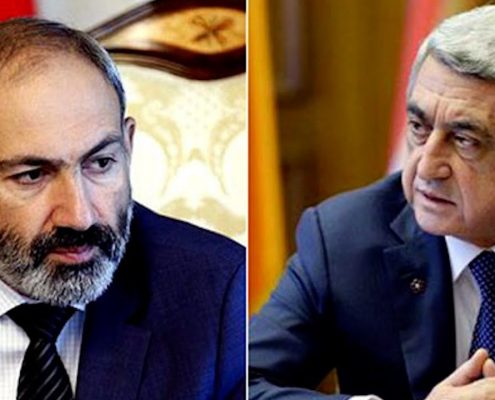 https://armtribunal.com/wp-content/uploads/2025/04/serzh-i-nikol_1.jpg
720
1280
admin
/wp-content/uploads/2025/03/logo_main.png
admin2026-06-08 11:17:462026-06-08 11:17:46От Сержа Саргсяна до Никола Пашиняна: один и тот же почерк, один и тот же страх — перед армянами России и Арцаха
https://armtribunal.com/wp-content/uploads/2025/04/serzh-i-nikol_1.jpg
720
1280
admin
/wp-content/uploads/2025/03/logo_main.png
admin2026-06-08 11:17:462026-06-08 11:17:46От Сержа Саргсяна до Никола Пашиняна: один и тот же почерк, один и тот же страх — перед армянами России и Арцаха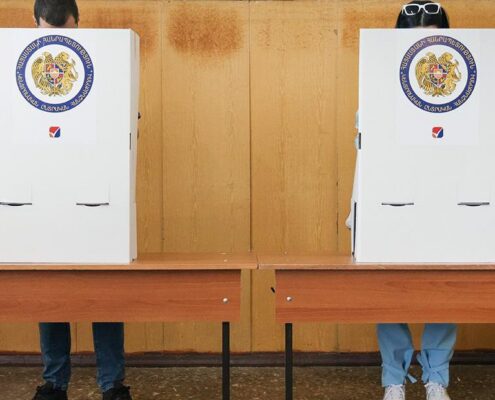 https://armtribunal.com/wp-content/uploads/2026/06/parlamentskie-vybory-v-armenii-2026.jpg
620
1180
admin
/wp-content/uploads/2025/03/logo_main.png
admin2026-06-08 10:48:082026-06-08 14:07:07VICTORY BEFORE THE VOTES WERE COUNTED OR AN OPERATION TO RETAIN POWER?
https://armtribunal.com/wp-content/uploads/2026/06/parlamentskie-vybory-v-armenii-2026.jpg
620
1180
admin
/wp-content/uploads/2025/03/logo_main.png
admin2026-06-08 10:48:082026-06-08 14:07:07VICTORY BEFORE THE VOTES WERE COUNTED OR AN OPERATION TO RETAIN POWER? https://armtribunal.com/wp-content/uploads/2025/12/argishti-kivirjan.jpg
600
600
admin
/wp-content/uploads/2025/03/logo_main.png
admin2026-06-05 14:01:202026-06-05 14:01:20Аргишти Кивирян: «Никол Пашинян будет держаться за власть до конца»
https://armtribunal.com/wp-content/uploads/2025/12/argishti-kivirjan.jpg
600
600
admin
/wp-content/uploads/2025/03/logo_main.png
admin2026-06-05 14:01:202026-06-05 14:01:20Аргишти Кивирян: «Никол Пашинян будет держаться за власть до конца»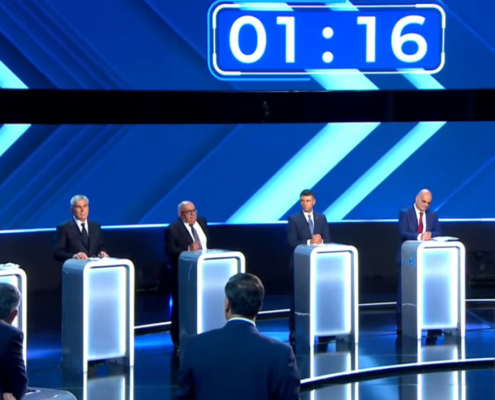 https://armtribunal.com/wp-content/uploads/2026/06/2026-06-05_13-07-10.png
746
1389
admin
/wp-content/uploads/2025/03/logo_main.png
admin2026-06-05 13:17:282026-06-05 13:17:28ТЕЛЕДЕБАТЫ БЕЗ ДЕБАТОВ: СПЕКТАКЛЬ В ЭФИРЕ ОБЩЕСТВЕННОГО ТВ
https://armtribunal.com/wp-content/uploads/2026/06/2026-06-05_13-07-10.png
746
1389
admin
/wp-content/uploads/2025/03/logo_main.png
admin2026-06-05 13:17:282026-06-05 13:17:28ТЕЛЕДЕБАТЫ БЕЗ ДЕБАТОВ: СПЕКТАКЛЬ В ЭФИРЕ ОБЩЕСТВЕННОГО ТВ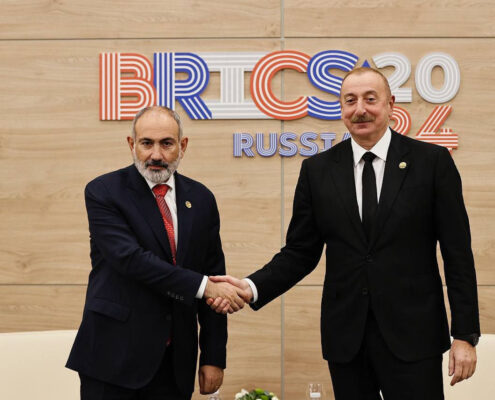 https://armtribunal.com/wp-content/uploads/2026/06/nikol-pashinjan-i-ilham-aliev.jpg
853
1280
admin
/wp-content/uploads/2025/03/logo_main.png
admin2026-06-04 11:46:592026-06-04 11:47:57“RETURN OF AZERBAIJANIS”: WHAT MIRZOYAN DOESN’T SEE AND WHAT ALIYEV IS PROMOTING
https://armtribunal.com/wp-content/uploads/2026/06/nikol-pashinjan-i-ilham-aliev.jpg
853
1280
admin
/wp-content/uploads/2025/03/logo_main.png
admin2026-06-04 11:46:592026-06-04 11:47:57“RETURN OF AZERBAIJANIS”: WHAT MIRZOYAN DOESN’T SEE AND WHAT ALIYEV IS PROMOTING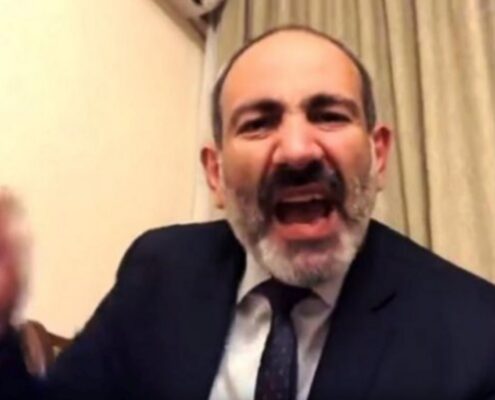 https://armtribunal.com/wp-content/uploads/2026/06/nikol-pashinjan_1.jpg
891
1280
admin
/wp-content/uploads/2025/03/logo_main.png
admin2026-06-03 13:29:212026-06-03 13:29:21«Демократичный» диктатор
https://armtribunal.com/wp-content/uploads/2026/06/nikol-pashinjan_1.jpg
891
1280
admin
/wp-content/uploads/2025/03/logo_main.png
admin2026-06-03 13:29:212026-06-03 13:29:21«Демократичный» диктатор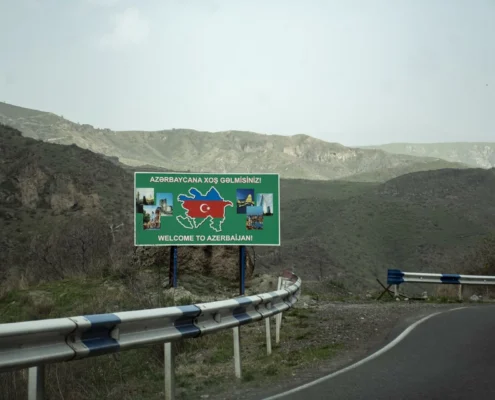 https://armtribunal.com/wp-content/uploads/2026/06/doroga-goris-kapan.webp
1280
1920
admin
/wp-content/uploads/2025/03/logo_main.png
admin2026-06-03 11:32:062026-06-03 11:32:06Загадка передачи дороги Горис-Капан: разоблачение Гегама Манукяна вызывает новые вопросы к Пашиняну
https://armtribunal.com/wp-content/uploads/2026/06/doroga-goris-kapan.webp
1280
1920
admin
/wp-content/uploads/2025/03/logo_main.png
admin2026-06-03 11:32:062026-06-03 11:32:06Загадка передачи дороги Горис-Капан: разоблачение Гегама Манукяна вызывает новые вопросы к Пашиняну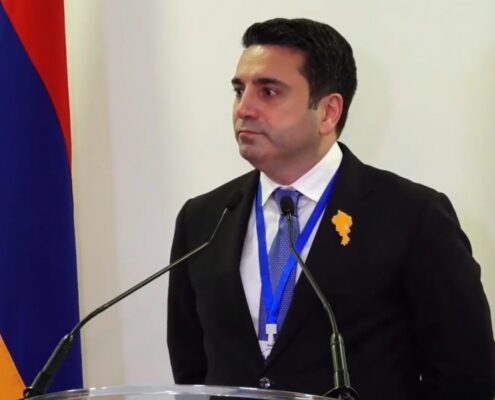 https://armtribunal.com/wp-content/uploads/2026/04/alen-simonjan.jpg
889
1280
admin
/wp-content/uploads/2025/03/logo_main.png
admin2026-06-02 09:36:132026-06-02 09:57:54АЛЕН СИМОНЯН СЛУЧАЙНО РАСКРЫЛ ОДНО ИЗ ГЛАВНЫХ ПРЕСТУПЛЕНИЙ ВЛАСТИ НИКОЛА ПАШИНЯНА
https://armtribunal.com/wp-content/uploads/2026/04/alen-simonjan.jpg
889
1280
admin
/wp-content/uploads/2025/03/logo_main.png
admin2026-06-02 09:36:132026-06-02 09:57:54АЛЕН СИМОНЯН СЛУЧАЙНО РАСКРЫЛ ОДНО ИЗ ГЛАВНЫХ ПРЕСТУПЛЕНИЙ ВЛАСТИ НИКОЛА ПАШИНЯНА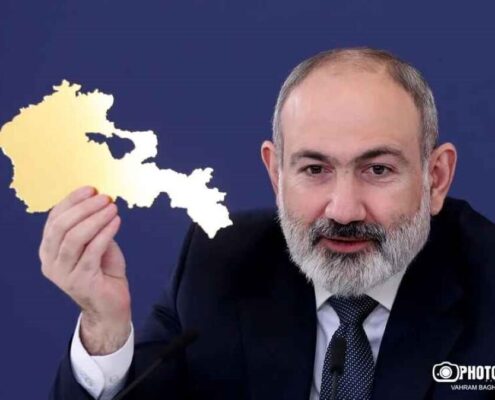 https://armtribunal.com/wp-content/uploads/2025/10/pashinjan-s-maketom-karty-armenii.jpg
674
1000
admin
/wp-content/uploads/2025/03/logo_main.png
admin2026-06-01 11:17:502026-06-01 11:17:50ОКОНЧАТЕЛЬНОЕ РЕШЕНИЕ АРМЯНСКОГО ВОПРОСА: ЧТО СКРЫВАЕТСЯ ЗА «РЕАЛЬНОЙ АРМЕНИЕЙ»?
https://armtribunal.com/wp-content/uploads/2025/10/pashinjan-s-maketom-karty-armenii.jpg
674
1000
admin
/wp-content/uploads/2025/03/logo_main.png
admin2026-06-01 11:17:502026-06-01 11:17:50ОКОНЧАТЕЛЬНОЕ РЕШЕНИЕ АРМЯНСКОГО ВОПРОСА: ЧТО СКРЫВАЕТСЯ ЗА «РЕАЛЬНОЙ АРМЕНИЕЙ»?