
 https://armtribunal.com/wp-content/uploads/2026/02/serzh-sargsjan-i-nikol-pashinjan_002.jpg
342
799
admin
/wp-content/uploads/2025/03/logo_main.png
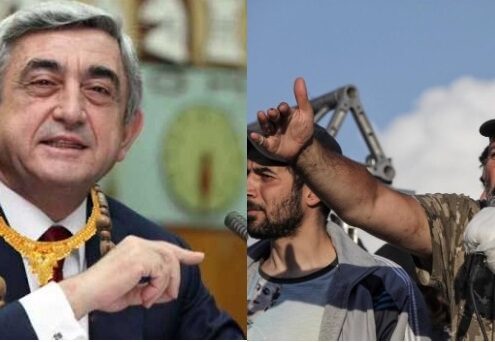
admin2026-02-22 18:21:072026-02-22 20:36:52Two Sides of a Coin - Two Faces of a Traitor
https://armtribunal.com/wp-content/uploads/2026/02/serzh-sargsjan-i-nikol-pashinjan_002.jpg
342
799
admin
/wp-content/uploads/2025/03/logo_main.png
admin2026-02-22 18:21:072026-02-22 20:36:52Two Sides of a Coin - Two Faces of a Traitor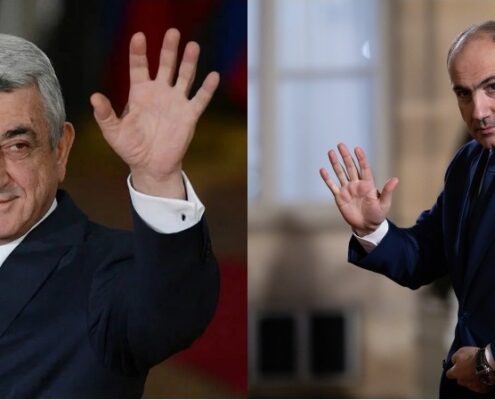 https://armtribunal.com/wp-content/uploads/2026/02/serzh-sargsjan-i-nikol-pashinjan-1.jpg
449
799
admin
/wp-content/uploads/2025/03/logo_main.png
admin2026-02-22 12:00:252026-02-22 20:31:42Falsehood in the Pursuit of Power: A Mirror Reflection of Sargsyan and Pashinyan
https://armtribunal.com/wp-content/uploads/2026/02/serzh-sargsjan-i-nikol-pashinjan-1.jpg
449
799
admin
/wp-content/uploads/2025/03/logo_main.png
admin2026-02-22 12:00:252026-02-22 20:31:42Falsehood in the Pursuit of Power: A Mirror Reflection of Sargsyan and Pashinyan https://armtribunal.com/wp-content/uploads/2025/10/ajk-naapetjan.jpg
720
1280
admin
/wp-content/uploads/2025/03/logo_main.png
admin2026-02-20 11:29:482026-02-20 11:29:48On the Crossroads of War, “Peace,” and Statehood
https://armtribunal.com/wp-content/uploads/2025/10/ajk-naapetjan.jpg
720
1280
admin
/wp-content/uploads/2025/03/logo_main.png
admin2026-02-20 11:29:482026-02-20 11:29:48On the Crossroads of War, “Peace,” and Statehood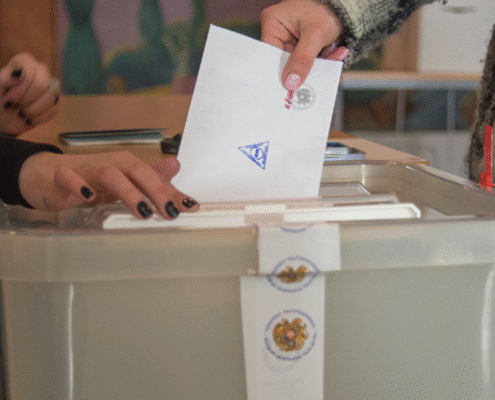 https://armtribunal.com/wp-content/uploads/2025/11/vybory-v-vagarshapate.png
554
1024
admin
/wp-content/uploads/2025/03/logo_main.png
admin2026-02-19 14:25:462026-02-19 14:25:46Elections and the Propagators of Despair: The Modern Political Landscape in Armenia
https://armtribunal.com/wp-content/uploads/2025/11/vybory-v-vagarshapate.png
554
1024
admin
/wp-content/uploads/2025/03/logo_main.png
admin2026-02-19 14:25:462026-02-19 14:25:46Elections and the Propagators of Despair: The Modern Political Landscape in Armenia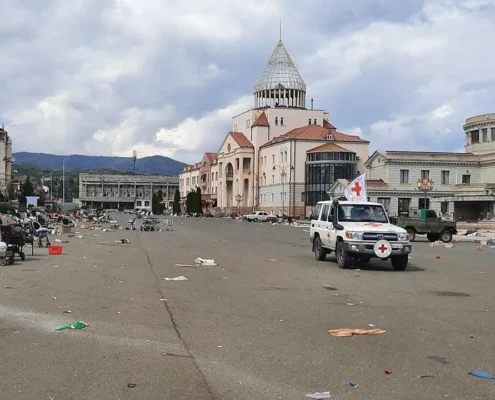 https://armtribunal.com/wp-content/uploads/2025/09/stepanakert_ploshhad-vozrozhdenija.webp
720
1280
admin
/wp-content/uploads/2025/03/logo_main.png
admin2026-02-19 11:07:362026-02-19 11:07:36The Price of Liquidation: 1.2 Billion U.S. Dollars — The Financial Side of the Artsakh Tragedy
https://armtribunal.com/wp-content/uploads/2025/09/stepanakert_ploshhad-vozrozhdenija.webp
720
1280
admin
/wp-content/uploads/2025/03/logo_main.png
admin2026-02-19 11:07:362026-02-19 11:07:36The Price of Liquidation: 1.2 Billion U.S. Dollars — The Financial Side of the Artsakh Tragedy https://armtribunal.com/wp-content/uploads/2025/04/serzh-i-nikol_1.jpg
720
1280
admin
/wp-content/uploads/2025/03/logo_main.png
admin2026-02-18 12:05:142026-02-18 12:12:54The Myth of the “Russian Project”: Who Benefits from Pashinyan’s Image as Moscow’s Puppet?
https://armtribunal.com/wp-content/uploads/2025/04/serzh-i-nikol_1.jpg
720
1280
admin
/wp-content/uploads/2025/03/logo_main.png
admin2026-02-18 12:05:142026-02-18 12:12:54The Myth of the “Russian Project”: Who Benefits from Pashinyan’s Image as Moscow’s Puppet?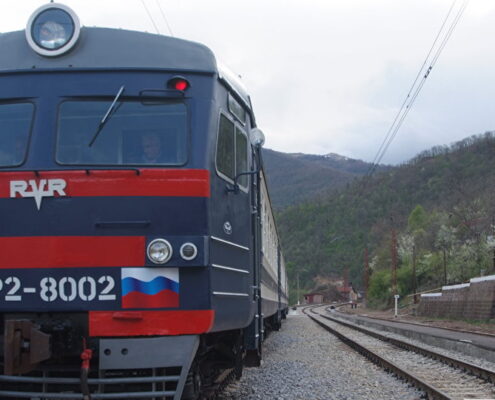 https://armtribunal.com/wp-content/uploads/2026/02/zheleznye-dorogi-armenii.jpg
541
1000
admin
/wp-content/uploads/2025/03/logo_main.png
admin2026-02-18 08:10:212026-02-18 08:10:21Concession, Corridor, and the Dismantling of the Previous Balance: What Is Pashinyan’s New Political Line Leading To?
https://armtribunal.com/wp-content/uploads/2026/02/zheleznye-dorogi-armenii.jpg
541
1000
admin
/wp-content/uploads/2025/03/logo_main.png
admin2026-02-18 08:10:212026-02-18 08:10:21Concession, Corridor, and the Dismantling of the Previous Balance: What Is Pashinyan’s New Political Line Leading To?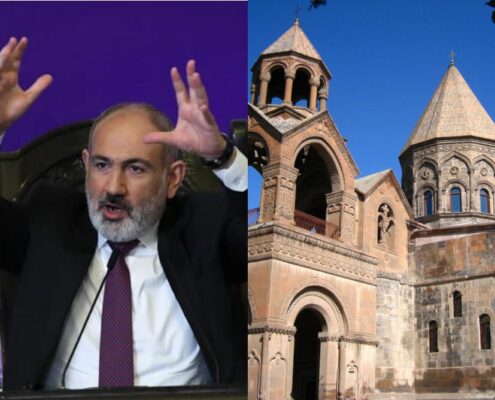 https://armtribunal.com/wp-content/uploads/2026/02/nikol-pashinjan-protiv-aac.jpg
668
974
admin
/wp-content/uploads/2025/03/logo_main.png
admin2026-02-16 18:16:162026-02-16 18:43:27The First Blow to Pashinyan: The Church and the Nation Will Never Yield
https://armtribunal.com/wp-content/uploads/2026/02/nikol-pashinjan-protiv-aac.jpg
668
974
admin
/wp-content/uploads/2025/03/logo_main.png
admin2026-02-16 18:16:162026-02-16 18:43:27The First Blow to Pashinyan: The Church and the Nation Will Never Yield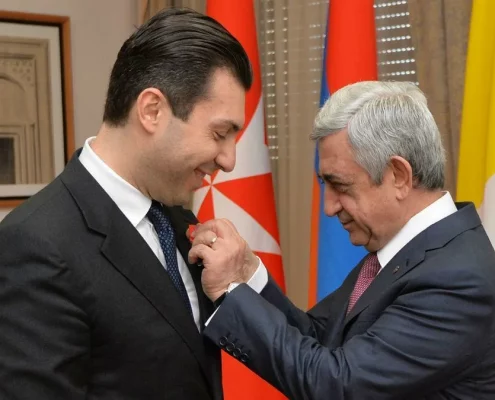 https://armtribunal.com/wp-content/uploads/2025/06/serzh-sargsjan-nagrazhdaet-mikajela-minasjana.webp
675
1200
admin
/wp-content/uploads/2025/03/logo_main.png
admin2026-02-16 14:06:302026-02-16 14:06:30Armenia’s Choice in Conditions of New Geopolitical Competition
https://armtribunal.com/wp-content/uploads/2025/06/serzh-sargsjan-nagrazhdaet-mikajela-minasjana.webp
675
1200
admin
/wp-content/uploads/2025/03/logo_main.png
admin2026-02-16 14:06:302026-02-16 14:06:30Armenia’s Choice in Conditions of New Geopolitical Competition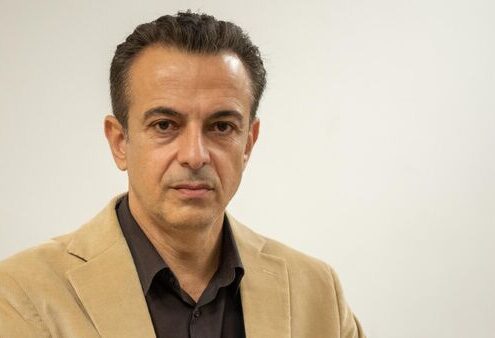 https://armtribunal.com/wp-content/uploads/2025/12/artur-hachikjan.jpg
338
600
admin
/wp-content/uploads/2025/03/logo_main.png
admin2026-02-15 17:40:032026-02-15 17:40:03Road Map of National Catastrophe: The Price of Thousands of “Reasonable” Decisions
https://armtribunal.com/wp-content/uploads/2025/12/artur-hachikjan.jpg
338
600
admin
/wp-content/uploads/2025/03/logo_main.png
admin2026-02-15 17:40:032026-02-15 17:40:03Road Map of National Catastrophe: The Price of Thousands of “Reasonable” Decisions