
 https://armtribunal.com/wp-content/uploads/2026/08/katolikos-garegin-b.jpg
533
800
admin
/wp-content/uploads/2025/03/logo_main.png
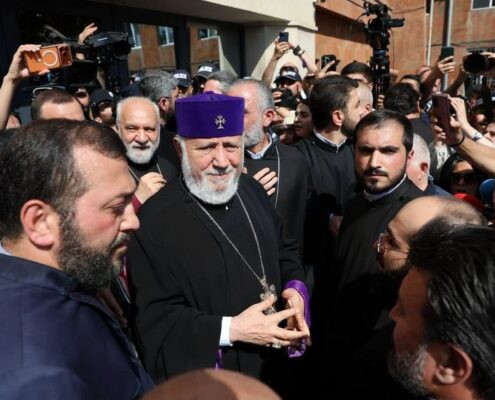
admin2026-08-09 12:49:232026-08-09 13:00:48СУД НАД КАТОЛИКОСОМ: ПАШИНЯН ГОТОВИТ СЕБЕ МЕСТО В ПСИХУШКЕ?
https://armtribunal.com/wp-content/uploads/2026/08/katolikos-garegin-b.jpg
533
800
admin
/wp-content/uploads/2025/03/logo_main.png
admin2026-08-09 12:49:232026-08-09 13:00:48СУД НАД КАТОЛИКОСОМ: ПАШИНЯН ГОТОВИТ СЕБЕ МЕСТО В ПСИХУШКЕ?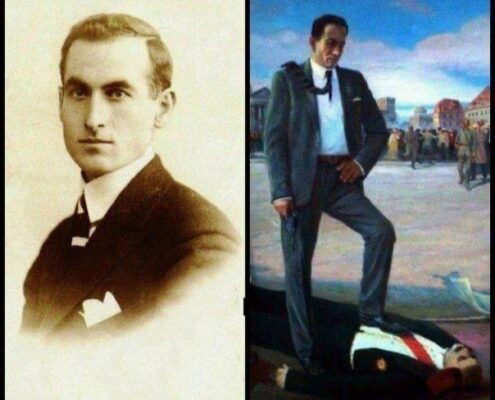 https://armtribunal.com/wp-content/uploads/2026/08/sogomon-tejlerjan.jpg
502
604
admin
/wp-content/uploads/2025/03/logo_main.png
admin2026-08-06 16:52:392026-08-09 10:45:20ЭНВЕР-ПАША, «НЕМЕСИС» И ЛОГИКА ВОЗМЕЗДИЯ: ПОЧЕМУ РАСПЛАТА НЕИЗБЕЖНА
https://armtribunal.com/wp-content/uploads/2026/08/sogomon-tejlerjan.jpg
502
604
admin
/wp-content/uploads/2025/03/logo_main.png
admin2026-08-06 16:52:392026-08-09 10:45:20ЭНВЕР-ПАША, «НЕМЕСИС» И ЛОГИКА ВОЗМЕЗДИЯ: ПОЧЕМУ РАСПЛАТА НЕИЗБЕЖНА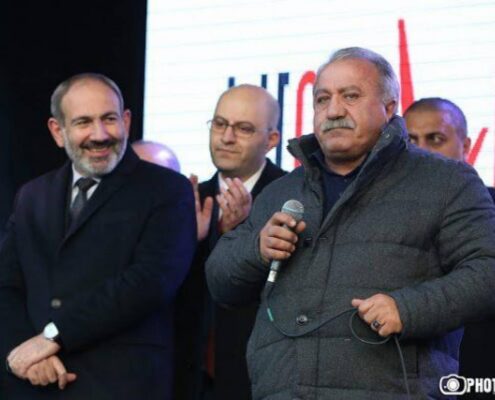 https://armtribunal.com/wp-content/uploads/2026/08/0327e499d50bb068ed51ca8332f1dd6e.jpeg
781
1000
admin
/wp-content/uploads/2025/03/logo_main.png
admin2026-08-06 15:34:532026-08-06 15:34:53АНИ: «ТОРГОВЕЦ ЖЕЛЕЗОМ». ПУТЬ САСУНА МИКАЕЛЯНА ОТ ВОЙНЫ ДО БИЗНЕСА И ПОЛИТИКИ
https://armtribunal.com/wp-content/uploads/2026/08/0327e499d50bb068ed51ca8332f1dd6e.jpeg
781
1000
admin
/wp-content/uploads/2025/03/logo_main.png
admin2026-08-06 15:34:532026-08-06 15:34:53АНИ: «ТОРГОВЕЦ ЖЕЛЕЗОМ». ПУТЬ САСУНА МИКАЕЛЯНА ОТ ВОЙНЫ ДО БИЗНЕСА И ПОЛИТИКИ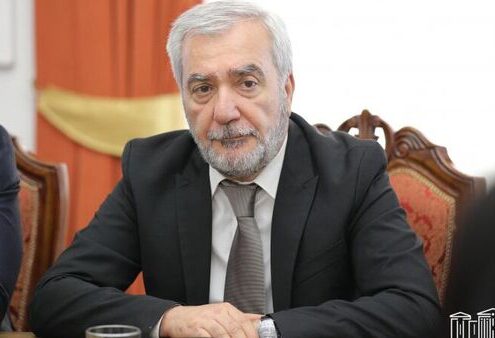 https://armtribunal.com/wp-content/uploads/2025/09/andranik-kocharjan.jpg
338
600
admin
/wp-content/uploads/2025/03/logo_main.png
admin2026-08-05 17:47:182026-08-05 17:47:18«ДРУГ» АРЦРУНА МАРГАРЯНА, КОТОРЫЙ ХОТЕЛ ЗАТКНУТЬ РОТ СВИДЕТЕЛЮ: ЧТО СКРЫВАЕТ АНДРАНИК КОЧАРЯН?
https://armtribunal.com/wp-content/uploads/2025/09/andranik-kocharjan.jpg
338
600
admin
/wp-content/uploads/2025/03/logo_main.png
admin2026-08-05 17:47:182026-08-05 17:47:18«ДРУГ» АРЦРУНА МАРГАРЯНА, КОТОРЫЙ ХОТЕЛ ЗАТКНУТЬ РОТ СВИДЕТЕЛЮ: ЧТО СКРЫВАЕТ АНДРАНИК КОЧАРЯН? https://armtribunal.com/wp-content/uploads/2026/08/publikacija-sivilnet.jpeg
590
472
admin
/wp-content/uploads/2025/03/logo_main.png
admin2026-08-05 15:42:392026-08-05 15:42:39ВЗГЛЯД С КУПОЛА НАШЕЙ ПОЛУРАЗРУШЕННОЙ ЦЕРКВИ: ПОЧЕМУ ВВОДЯТ В ЗАБЛУЖДЕНИЕ АРМЯНСКИЙ НАРОД
https://armtribunal.com/wp-content/uploads/2026/08/publikacija-sivilnet.jpeg
590
472
admin
/wp-content/uploads/2025/03/logo_main.png
admin2026-08-05 15:42:392026-08-05 15:42:39ВЗГЛЯД С КУПОЛА НАШЕЙ ПОЛУРАЗРУШЕННОЙ ЦЕРКВИ: ПОЧЕМУ ВВОДЯТ В ЗАБЛУЖДЕНИЕ АРМЯНСКИЙ НАРОД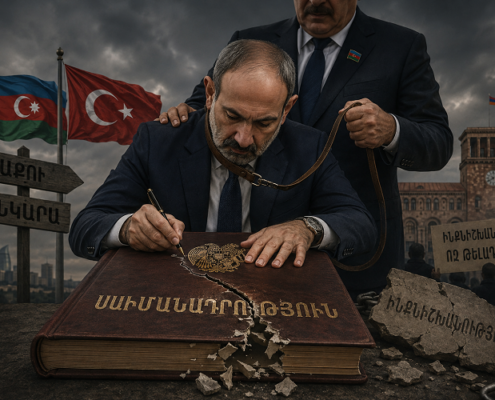 https://armtribunal.com/wp-content/uploads/2026/08/suverenitet-po-pashinjanovski.png
500
750
admin
/wp-content/uploads/2025/03/logo_main.png
admin2026-08-04 16:24:322026-08-04 16:24:32«СУВЕРЕНИТЕТ» ПО-ПАШИНЯНСКИ: КАК ПРЕМЬЕР МЕНЯЕТ КОНСТИТУЦИЮ СТРАНЫ ПО УКАЗКЕ ИЗ БАКУ
https://armtribunal.com/wp-content/uploads/2026/08/suverenitet-po-pashinjanovski.png
500
750
admin
/wp-content/uploads/2025/03/logo_main.png
admin2026-08-04 16:24:322026-08-04 16:24:32«СУВЕРЕНИТЕТ» ПО-ПАШИНЯНСКИ: КАК ПРЕМЬЕР МЕНЯЕТ КОНСТИТУЦИЮ СТРАНЫ ПО УКАЗКЕ ИЗ БАКУ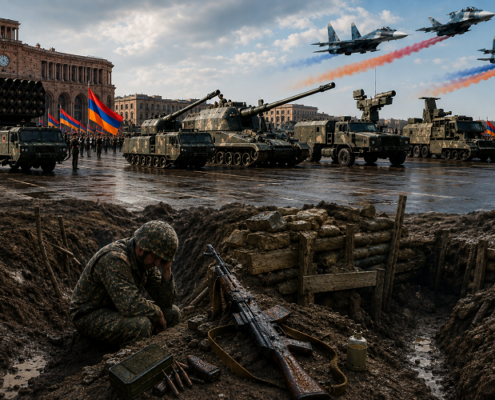 https://armtribunal.com/wp-content/uploads/2026/08/paradnyj-blesk-i-mrachnaja-realnost-okopov.png
500
750
admin
/wp-content/uploads/2025/03/logo_main.png
admin2026-08-04 14:43:262026-08-04 14:58:25ПАРАДНЫЙ БЛЕСК ПУШЕК И МРАЧНАЯ РЕАЛЬНОСТЬ ОКОПОВ
https://armtribunal.com/wp-content/uploads/2026/08/paradnyj-blesk-i-mrachnaja-realnost-okopov.png
500
750
admin
/wp-content/uploads/2025/03/logo_main.png
admin2026-08-04 14:43:262026-08-04 14:58:25ПАРАДНЫЙ БЛЕСК ПУШЕК И МРАЧНАЯ РЕАЛЬНОСТЬ ОКОПОВ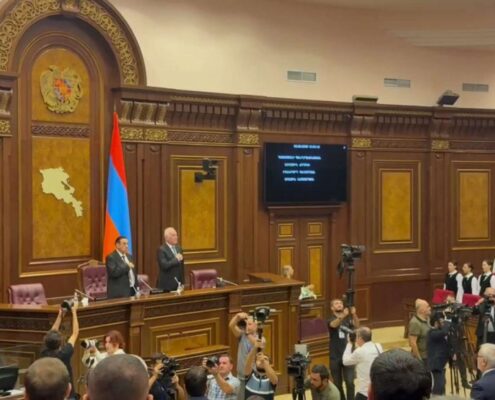 https://armtribunal.com/wp-content/uploads/2026/08/nacionalnoe-sobranie-9-sozyva.jpg
1164
2072
admin
/wp-content/uploads/2025/03/logo_main.png
admin2026-08-03 17:34:492026-08-03 17:36:10ГОСУДАРСТВО, КОТОРОГО НЕТ
https://armtribunal.com/wp-content/uploads/2026/08/nacionalnoe-sobranie-9-sozyva.jpg
1164
2072
admin
/wp-content/uploads/2025/03/logo_main.png
admin2026-08-03 17:34:492026-08-03 17:36:10ГОСУДАРСТВО, КОТОРОГО НЕТ https://armtribunal.com/wp-content/uploads/2025/04/ajk-demojan.jpg
720
1280
admin
/wp-content/uploads/2025/03/logo_main.png
admin2026-08-03 08:29:412026-08-03 08:29:41«ЗАКРЫТЫЕ СИСТЕМЫ» АРМЕНИИ: КАК, ПО ВЕРСИИ АЙКА ДЕМОЯНА, БЫЛА УНИЧТОЖЕНА ГОСУДАРСТВЕННОСТЬ
https://armtribunal.com/wp-content/uploads/2025/04/ajk-demojan.jpg
720
1280
admin
/wp-content/uploads/2025/03/logo_main.png
admin2026-08-03 08:29:412026-08-03 08:29:41«ЗАКРЫТЫЕ СИСТЕМЫ» АРМЕНИИ: КАК, ПО ВЕРСИИ АЙКА ДЕМОЯНА, БЫЛА УНИЧТОЖЕНА ГОСУДАРСТВЕННОСТЬ https://armtribunal.com/wp-content/uploads/2026/07/3e871c00f59a2d4e533ffc3380169925.jpg
650
1248
admin
/wp-content/uploads/2025/03/logo_main.png
admin2026-07-31 16:48:112026-07-31 17:10:13ПАЛАЧ В МАСКЕ ЖЕРТВЫ: КАК БАКУ ПЫТАЕТСЯ ПРИСВОИТЬ ОСВЕНЦИМ
https://armtribunal.com/wp-content/uploads/2026/07/3e871c00f59a2d4e533ffc3380169925.jpg
650
1248
admin
/wp-content/uploads/2025/03/logo_main.png
admin2026-07-31 16:48:112026-07-31 17:10:13ПАЛАЧ В МАСКЕ ЖЕРТВЫ: КАК БАКУ ПЫТАЕТСЯ ПРИСВОИТЬ ОСВЕНЦИМ