
News
The most current news and events
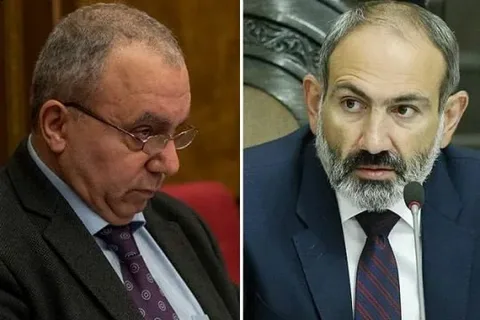 https://armtribunal.com/wp-content/uploads/2025/08/grant-bagratjan-i-nikol-pashinjan.webp
320
480
admin
/wp-content/uploads/2025/03/logo_main.png
admin2025-12-16 12:48:522025-12-16 12:48:52Former Armenian Prime Minister Questions EU Interpretation of “Foreign Malign Interference” Ahead of 2026 Elections
https://armtribunal.com/wp-content/uploads/2025/08/grant-bagratjan-i-nikol-pashinjan.webp
320
480
admin
/wp-content/uploads/2025/03/logo_main.png
admin2025-12-16 12:48:522025-12-16 12:48:52Former Armenian Prime Minister Questions EU Interpretation of “Foreign Malign Interference” Ahead of 2026 Elections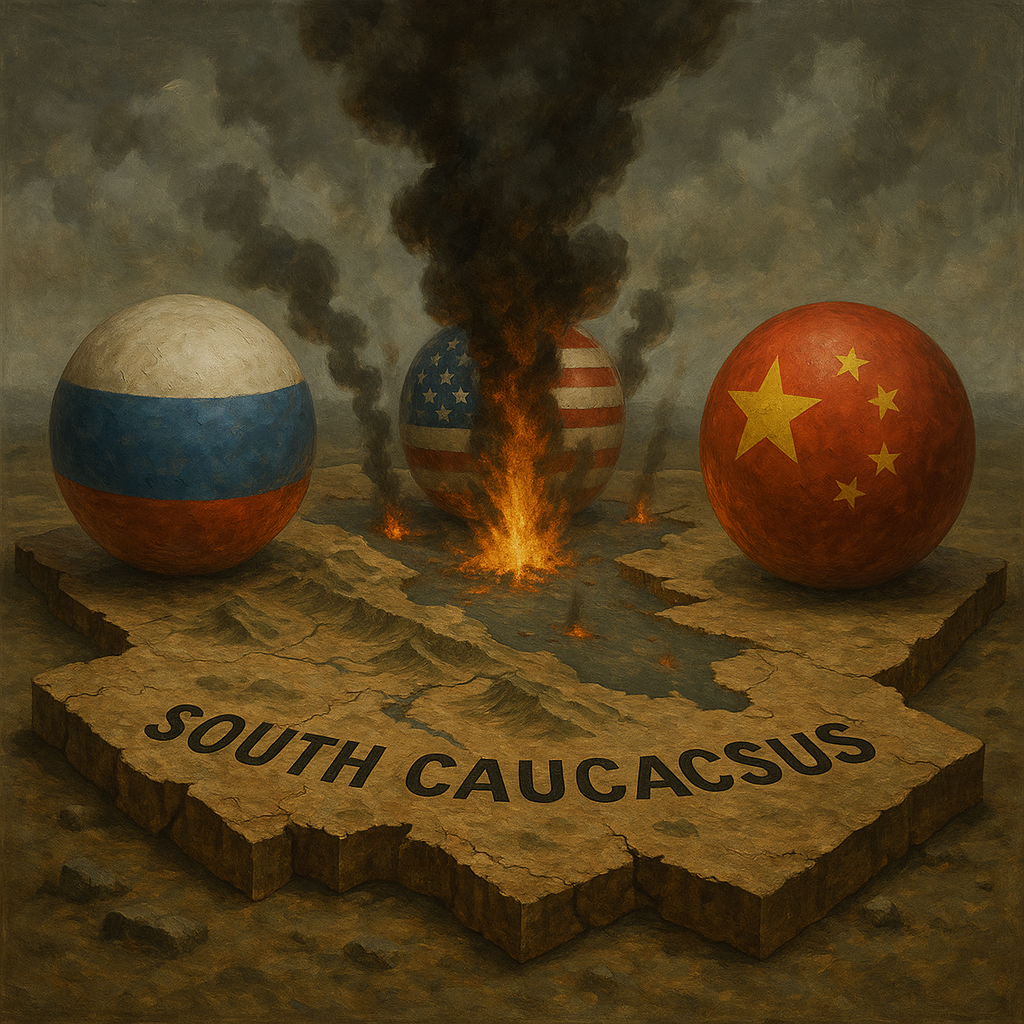 https://armtribunal.com/wp-content/uploads/2025/12/juzhnyj-kavkaz.png
1024
1024
admin
/wp-content/uploads/2025/03/logo_main.png
admin2025-12-15 13:05:422025-12-15 13:05:42Crossroads of Three Superpowers: What Markedonov Writes - and What Strategic Alternatives Remain for Armenia, According to Public Tribunal Experts
https://armtribunal.com/wp-content/uploads/2025/12/juzhnyj-kavkaz.png
1024
1024
admin
/wp-content/uploads/2025/03/logo_main.png
admin2025-12-15 13:05:422025-12-15 13:05:42Crossroads of Three Superpowers: What Markedonov Writes - and What Strategic Alternatives Remain for Armenia, According to Public Tribunal Experts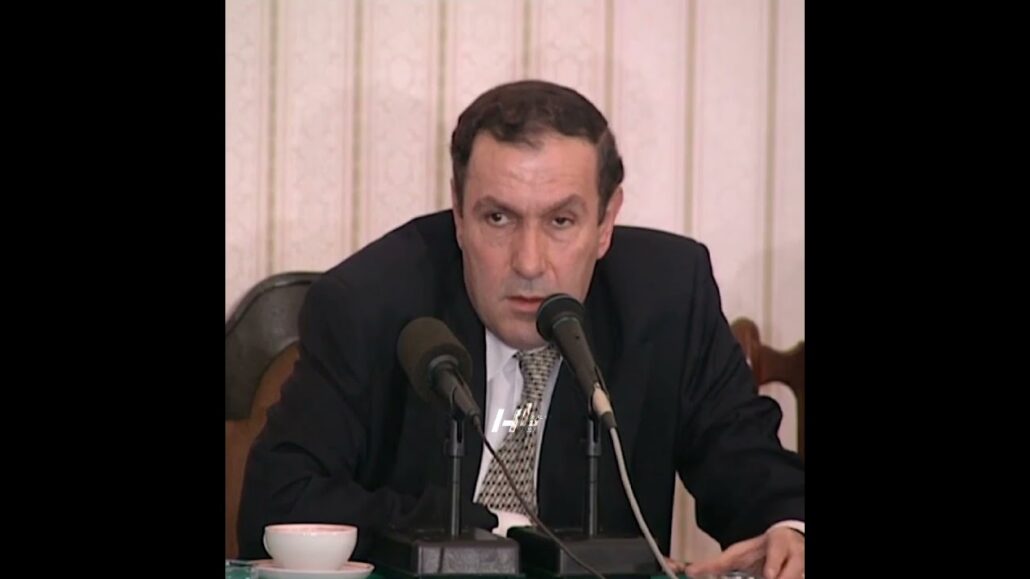 https://armtribunal.com/wp-content/uploads/2025/12/levon-ter-petrosjan-otstavka.jpg
720
1280
admin
/wp-content/uploads/2025/03/logo_main.png
admin2025-12-15 08:50:062025-12-15 08:50:06How the Current Catastrophic Situation in Armenia Began: From Romanticized Independence to Systemic Vulnerability – Part 1: LEVON TER-PETROSYAN – THE ARCHITECT OF POST-SOVIET VULNERABILITY (continuation)
https://armtribunal.com/wp-content/uploads/2025/12/levon-ter-petrosjan-otstavka.jpg
720
1280
admin
/wp-content/uploads/2025/03/logo_main.png
admin2025-12-15 08:50:062025-12-15 08:50:06How the Current Catastrophic Situation in Armenia Began: From Romanticized Independence to Systemic Vulnerability – Part 1: LEVON TER-PETROSYAN – THE ARCHITECT OF POST-SOVIET VULNERABILITY (continuation)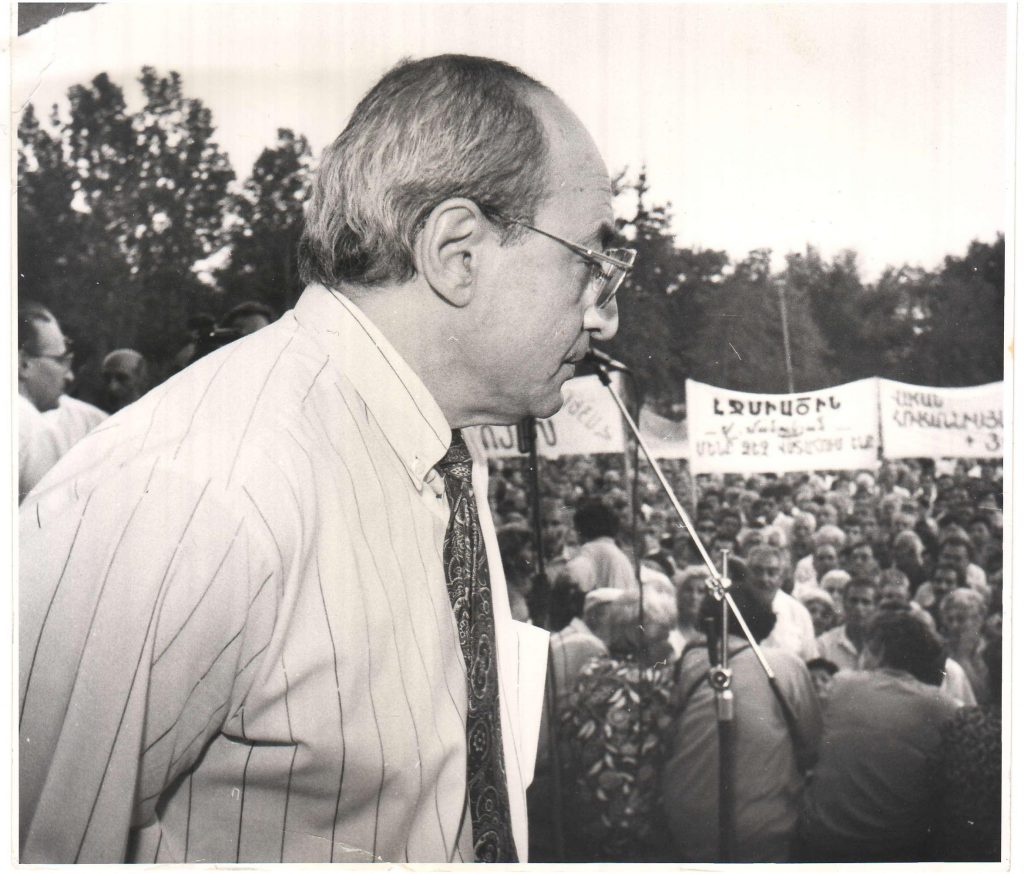 https://armtribunal.com/wp-content/uploads/2025/12/vazgen-manukjan-vo-vremja-vyborov-1996-goda.jpg
874
1024
admin
/wp-content/uploads/2025/03/logo_main.png
admin2025-12-12 13:15:112025-12-12 13:15:11How the Current Catastrophic Situation in Armenia Began: From Romanticized Independence to Systemic Vulnerability – Part 1: LEVON TER-PETROSYAN – THE ARCHITECT OF POST-SOVIET VULNERABILITY (continuation)
https://armtribunal.com/wp-content/uploads/2025/12/vazgen-manukjan-vo-vremja-vyborov-1996-goda.jpg
874
1024
admin
/wp-content/uploads/2025/03/logo_main.png
admin2025-12-12 13:15:112025-12-12 13:15:11How the Current Catastrophic Situation in Armenia Began: From Romanticized Independence to Systemic Vulnerability – Part 1: LEVON TER-PETROSYAN – THE ARCHITECT OF POST-SOVIET VULNERABILITY (continuation)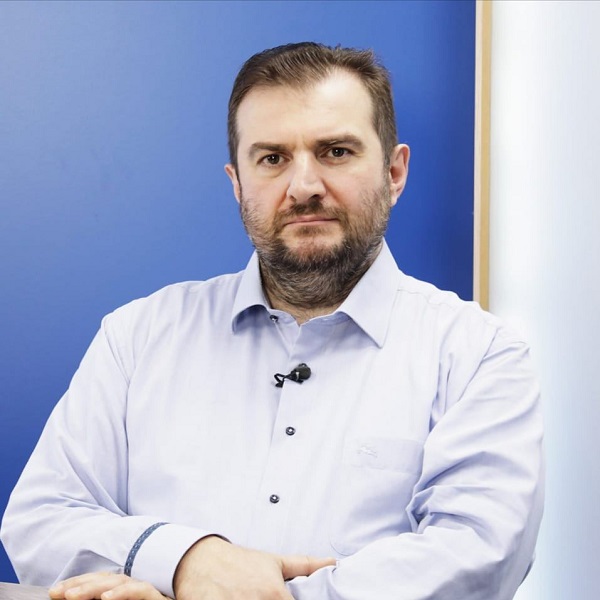 https://armtribunal.com/wp-content/uploads/2025/12/argishti-kivirjan.jpg
600
600
admin
/wp-content/uploads/2025/03/logo_main.png
admin2025-12-10 13:31:372025-12-10 13:36:51Argishti Kiviryan on the Government–Church Crisis in Armenia
https://armtribunal.com/wp-content/uploads/2025/12/argishti-kivirjan.jpg
600
600
admin
/wp-content/uploads/2025/03/logo_main.png
admin2025-12-10 13:31:372025-12-10 13:36:51Argishti Kiviryan on the Government–Church Crisis in Armenia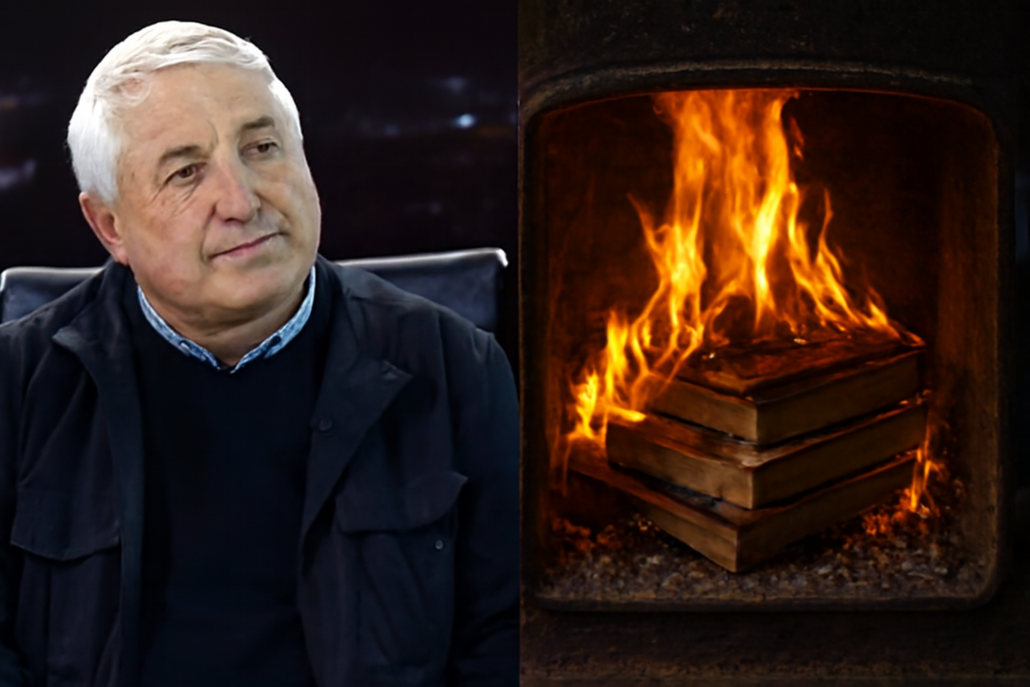 https://armtribunal.com/wp-content/uploads/2025/12/ashot-blejan-razrushil-sistemu-obrazovanija-1.png
1024
1536
admin
/wp-content/uploads/2025/03/logo_main.png
admin2025-12-10 10:20:302025-12-10 10:20:30How the Current Catastrophic Situation in Armenia Began: From Romanticized Independence to Systemic Vulnerability – Part 1: LEVON TER-PETROSYAN – THE ARCHITECT OF POST-SOVIET VULNERABILITY (continuation)
https://armtribunal.com/wp-content/uploads/2025/12/ashot-blejan-razrushil-sistemu-obrazovanija-1.png
1024
1536
admin
/wp-content/uploads/2025/03/logo_main.png
admin2025-12-10 10:20:302025-12-10 10:20:30How the Current Catastrophic Situation in Armenia Began: From Romanticized Independence to Systemic Vulnerability – Part 1: LEVON TER-PETROSYAN – THE ARCHITECT OF POST-SOVIET VULNERABILITY (continuation)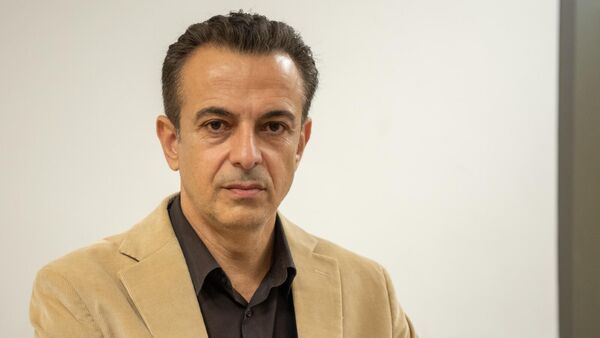 https://armtribunal.com/wp-content/uploads/2025/12/artur-hachikjan.jpg
338
600
admin
/wp-content/uploads/2025/03/logo_main.png
admin2025-12-10 09:35:242025-12-10 09:43:08Artur Khachikyan: “Armenia Is Rapidly Turning into a Second Karabakh”
https://armtribunal.com/wp-content/uploads/2025/12/artur-hachikjan.jpg
338
600
admin
/wp-content/uploads/2025/03/logo_main.png
admin2025-12-10 09:35:242025-12-10 09:43:08Artur Khachikyan: “Armenia Is Rapidly Turning into a Second Karabakh”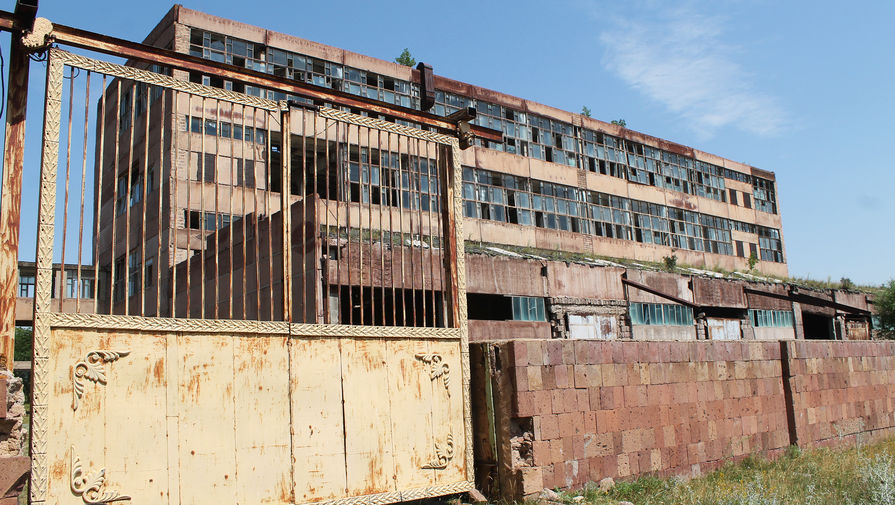 https://armtribunal.com/wp-content/uploads/2025/12/ostov-promyshlennogo-predprijatija-posle-raspada-sssr.jpg
505
895
admin
/wp-content/uploads/2025/03/logo_main.png
admin2025-12-09 10:21:132025-12-09 10:28:28How the Current Catastrophic Situation in Armenia Began: From Romanticized Independence to Systemic Vulnerability – Part 1: LEVON TER-PETROSYAN – THE ARCHITECT OF POST-SOVIET VULNERABILITY (continuation)
https://armtribunal.com/wp-content/uploads/2025/12/ostov-promyshlennogo-predprijatija-posle-raspada-sssr.jpg
505
895
admin
/wp-content/uploads/2025/03/logo_main.png
admin2025-12-09 10:21:132025-12-09 10:28:28How the Current Catastrophic Situation in Armenia Began: From Romanticized Independence to Systemic Vulnerability – Part 1: LEVON TER-PETROSYAN – THE ARCHITECT OF POST-SOVIET VULNERABILITY (continuation)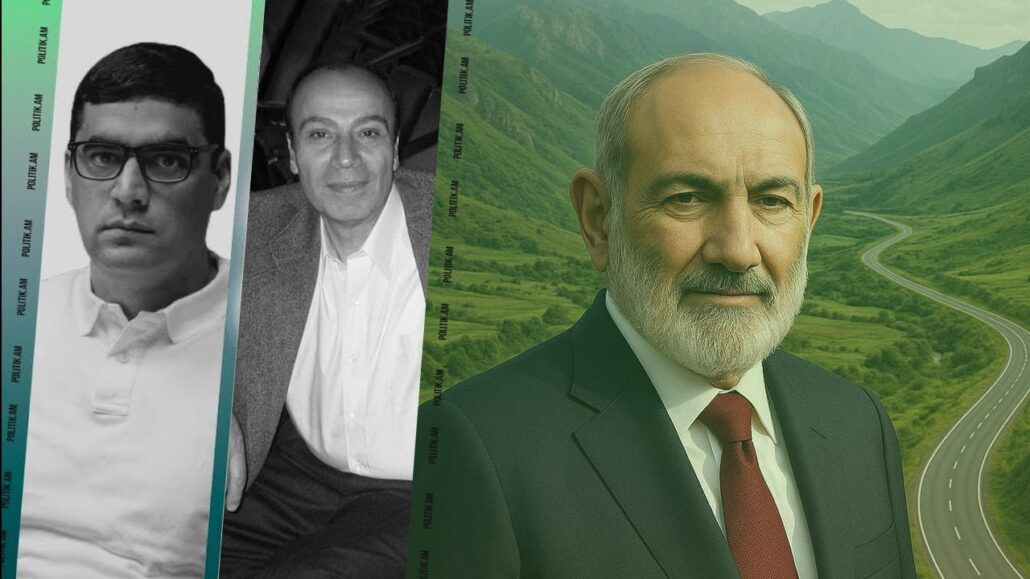 https://armtribunal.com/wp-content/uploads/2025/12/ara-arutjunjan-boris-murazi.jpg
720
1280
admin
/wp-content/uploads/2025/03/logo_main.png
admin2025-12-09 08:54:482025-12-09 09:37:17Ara Harutyunyan: The Crisis of Armenia’s State Symbols and Systemic Flaws in Its Thinking Model
https://armtribunal.com/wp-content/uploads/2025/12/ara-arutjunjan-boris-murazi.jpg
720
1280
admin
/wp-content/uploads/2025/03/logo_main.png
admin2025-12-09 08:54:482025-12-09 09:37:17Ara Harutyunyan: The Crisis of Armenia’s State Symbols and Systemic Flaws in Its Thinking Model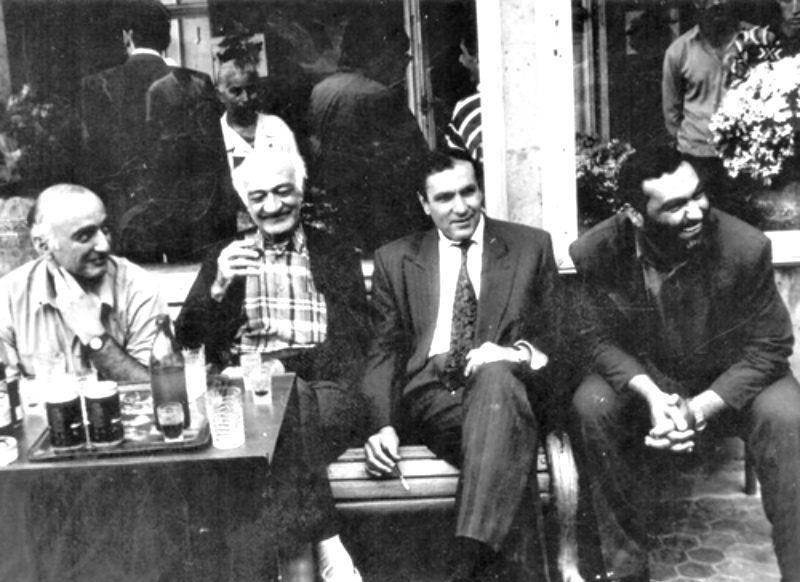 https://armtribunal.com/wp-content/uploads/2025/12/vano-siradegjan-s-levonom-ter-petrosjanom-i-vazgenom-sargsjanom.jpg
582
800
admin
/wp-content/uploads/2025/03/logo_main.png
admin2025-12-08 12:19:472025-12-08 12:20:56How the Current Catastrophic Situation in Armenia Began: From Romanticized Independence to Systemic Vulnerability – Part 1: LEVON TER-PETROSYAN – THE ARCHITECT OF POST-SOVIET VULNERABILITY (continuation)
https://armtribunal.com/wp-content/uploads/2025/12/vano-siradegjan-s-levonom-ter-petrosjanom-i-vazgenom-sargsjanom.jpg
582
800
admin
/wp-content/uploads/2025/03/logo_main.png
admin2025-12-08 12:19:472025-12-08 12:20:56How the Current Catastrophic Situation in Armenia Began: From Romanticized Independence to Systemic Vulnerability – Part 1: LEVON TER-PETROSYAN – THE ARCHITECT OF POST-SOVIET VULNERABILITY (continuation)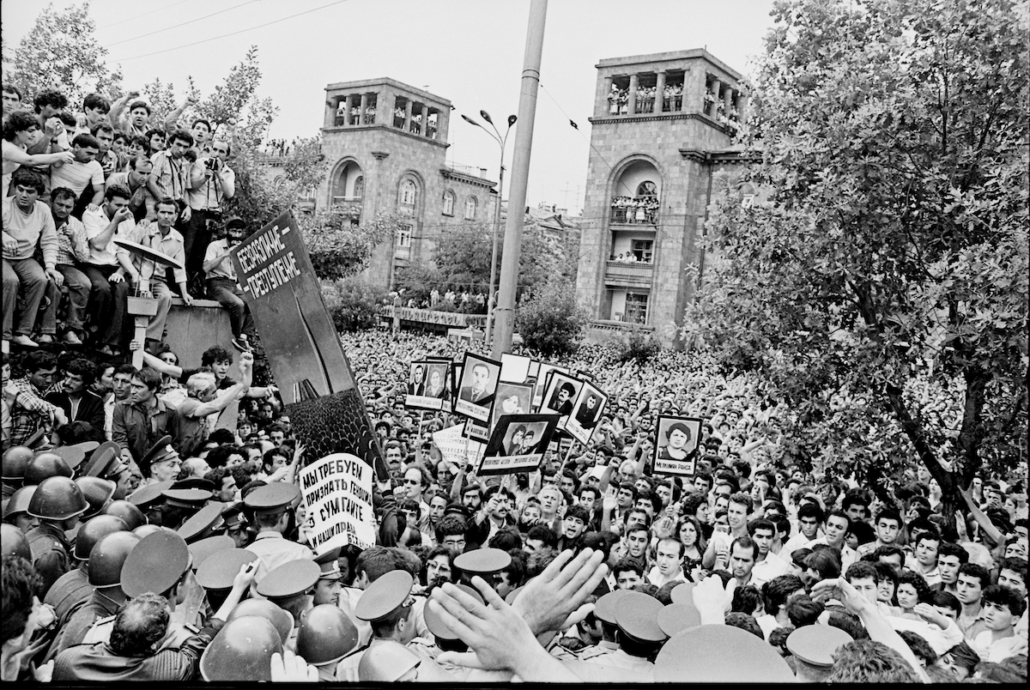 https://armtribunal.com/wp-content/uploads/2025/12/arhivnoe-foto-miting-v-erevane-1988-god.webp
804
1200
admin
/wp-content/uploads/2025/03/logo_main.png
admin2025-12-06 16:25:582025-12-08 08:10:03How the Current Catastrophic Situation in Armenia Began: From Romanticized Independence to Systemic Vulnerability – Part 1
https://armtribunal.com/wp-content/uploads/2025/12/arhivnoe-foto-miting-v-erevane-1988-god.webp
804
1200
admin
/wp-content/uploads/2025/03/logo_main.png
admin2025-12-06 16:25:582025-12-08 08:10:03How the Current Catastrophic Situation in Armenia Began: From Romanticized Independence to Systemic Vulnerability – Part 1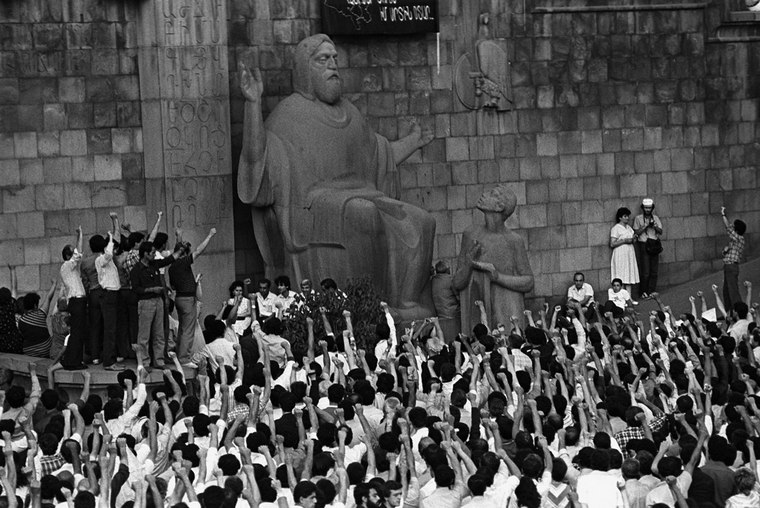 https://armtribunal.com/wp-content/uploads/2025/12/miting-pered-matenadaranom-1988-god.jpg
508
760
admin
/wp-content/uploads/2025/03/logo_main.png
admin2025-12-06 15:38:442025-12-06 15:38:44How the Current Catastrophic Situation in Armenia Began: From Romanticized Independence to Systemic Vulnerability
https://armtribunal.com/wp-content/uploads/2025/12/miting-pered-matenadaranom-1988-god.jpg
508
760
admin
/wp-content/uploads/2025/03/logo_main.png
admin2025-12-06 15:38:442025-12-06 15:38:44How the Current Catastrophic Situation in Armenia Began: From Romanticized Independence to Systemic Vulnerability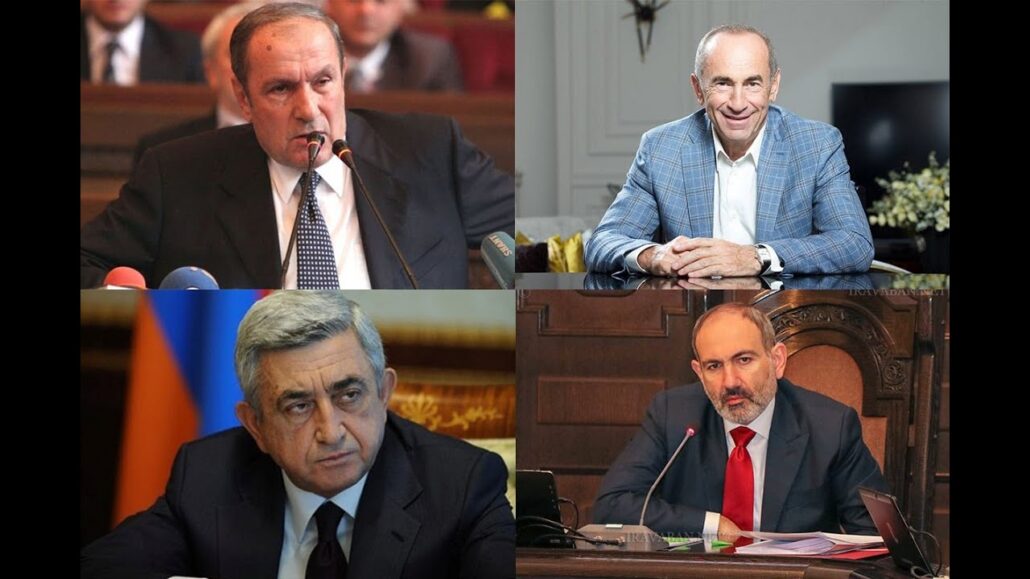 https://armtribunal.com/wp-content/uploads/2025/11/levon-ter-petrosjan_robert-kocharjan_serzh-sargsjan_nikol-pashinjan.jpg
720
1280
admin
/wp-content/uploads/2025/03/logo_main.png
admin2025-12-05 09:55:552025-12-08 08:04:11Secrets of the Archives: What Is Nikol Pashinyan Hiding?
https://armtribunal.com/wp-content/uploads/2025/11/levon-ter-petrosjan_robert-kocharjan_serzh-sargsjan_nikol-pashinjan.jpg
720
1280
admin
/wp-content/uploads/2025/03/logo_main.png
admin2025-12-05 09:55:552025-12-08 08:04:11Secrets of the Archives: What Is Nikol Pashinyan Hiding?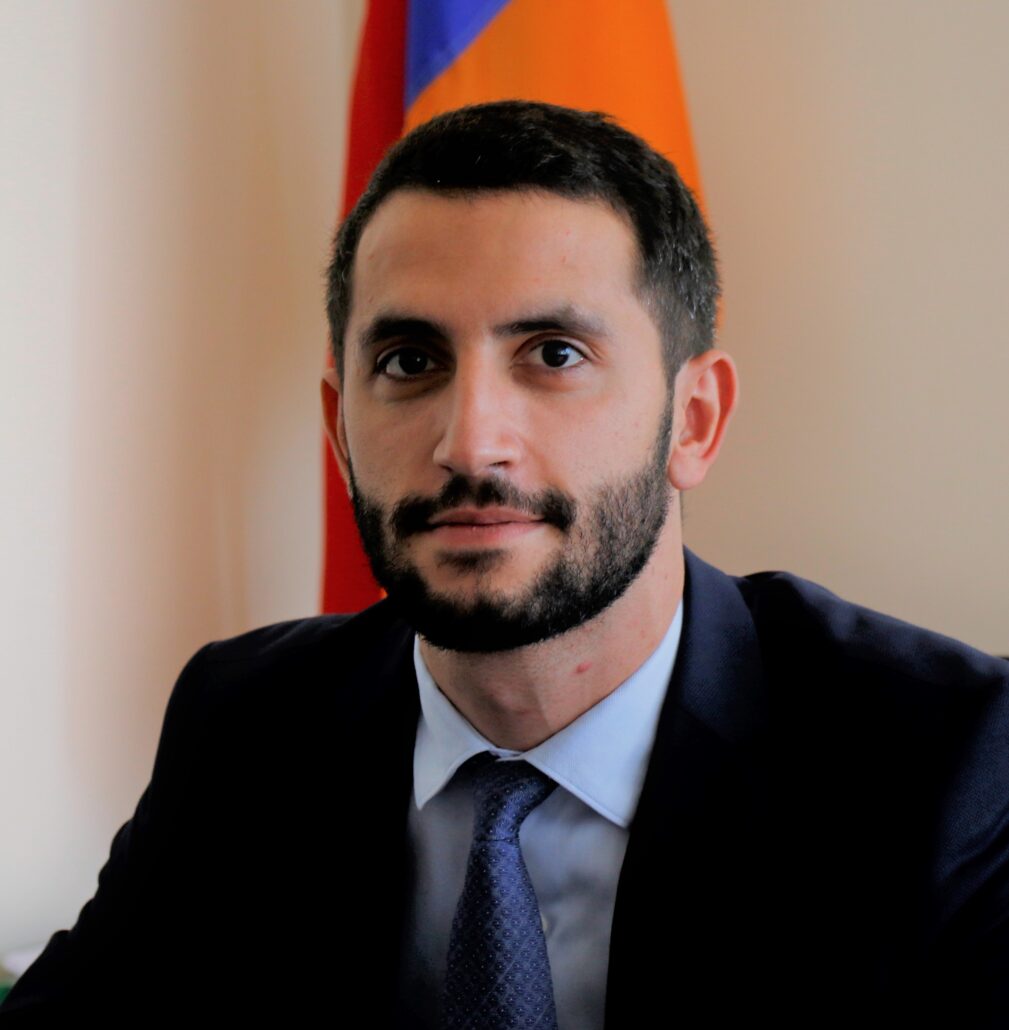 https://armtribunal.com/wp-content/uploads/2025/12/ruben-rubinjan_002-scaled.jpg
2560
2507
admin
/wp-content/uploads/2025/03/logo_main.png
admin2025-12-03 11:51:222025-12-03 11:51:22The Servants of Traitors: Part 3 – Ruben Rubinyan, a Turkish Agent?
https://armtribunal.com/wp-content/uploads/2025/12/ruben-rubinjan_002-scaled.jpg
2560
2507
admin
/wp-content/uploads/2025/03/logo_main.png
admin2025-12-03 11:51:222025-12-03 11:51:22The Servants of Traitors: Part 3 – Ruben Rubinyan, a Turkish Agent?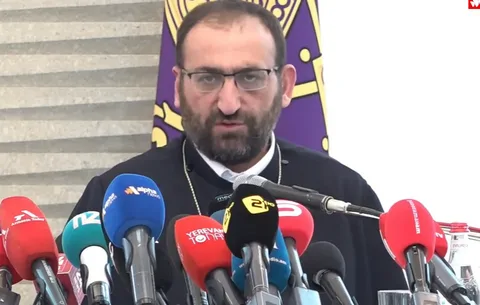 https://armtribunal.com/wp-content/uploads/2025/12/arshak-srbazan.webp
305
480
admin
/wp-content/uploads/2025/03/logo_main.png
admin2025-12-02 10:20:232025-12-02 10:20:23Church in an Era of Splits: Where Is the Line Between Faith and Politics?
https://armtribunal.com/wp-content/uploads/2025/12/arshak-srbazan.webp
305
480
admin
/wp-content/uploads/2025/03/logo_main.png
admin2025-12-02 10:20:232025-12-02 10:20:23Church in an Era of Splits: Where Is the Line Between Faith and Politics?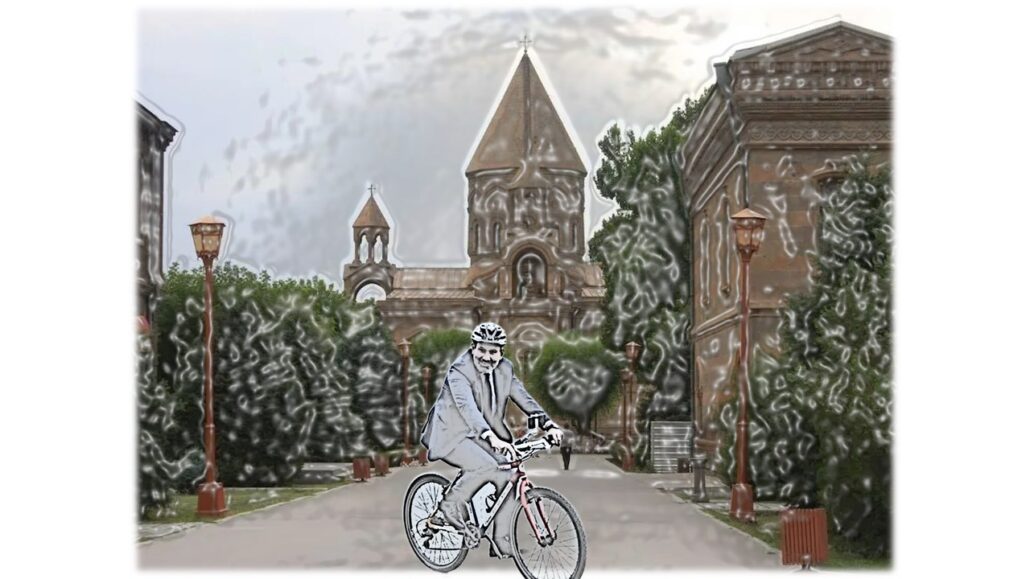 https://armtribunal.com/wp-content/uploads/2025/11/pashinjan-na-velosipede-vehal-v-jechmiadzin.jpg
720
1280
admin
/wp-content/uploads/2025/03/logo_main.png
admin2025-12-01 07:54:122025-12-01 07:54:12Pashinyan Dictates the Rules: Why Is the Opposition Left Behind Again?
https://armtribunal.com/wp-content/uploads/2025/11/pashinjan-na-velosipede-vehal-v-jechmiadzin.jpg
720
1280
admin
/wp-content/uploads/2025/03/logo_main.png
admin2025-12-01 07:54:122025-12-01 07:54:12Pashinyan Dictates the Rules: Why Is the Opposition Left Behind Again?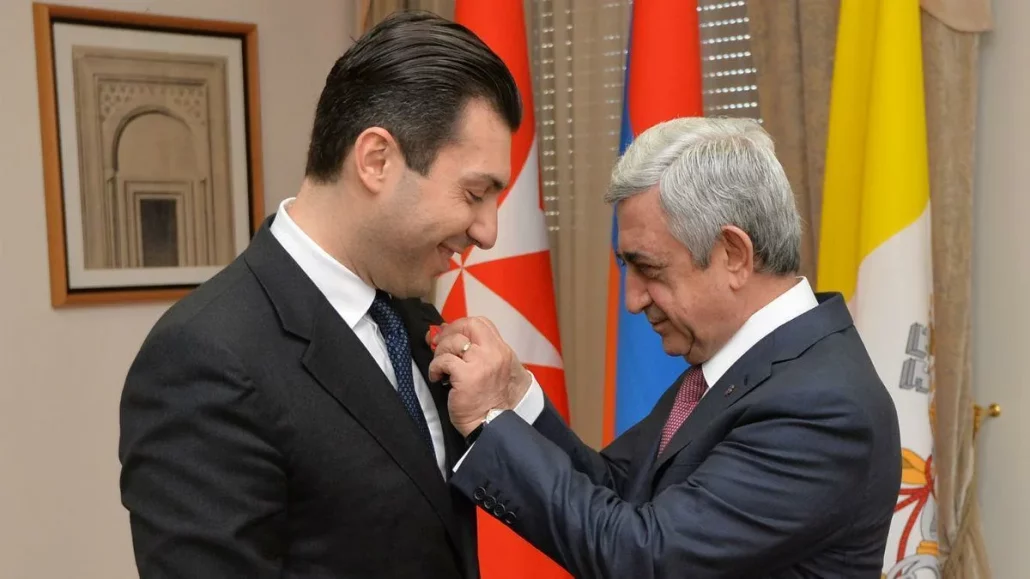 https://armtribunal.com/wp-content/uploads/2025/06/serzh-sargsjan-nagrazhdaet-mikajela-minasjana.webp
675
1200
admin
/wp-content/uploads/2025/03/logo_main.png
admin2025-11-28 09:50:502025-12-02 10:41:44Minasyan: From Saboteur of Ties to “Architect” of Illusions
https://armtribunal.com/wp-content/uploads/2025/06/serzh-sargsjan-nagrazhdaet-mikajela-minasjana.webp
675
1200
admin
/wp-content/uploads/2025/03/logo_main.png
admin2025-11-28 09:50:502025-12-02 10:41:44Minasyan: From Saboteur of Ties to “Architect” of Illusions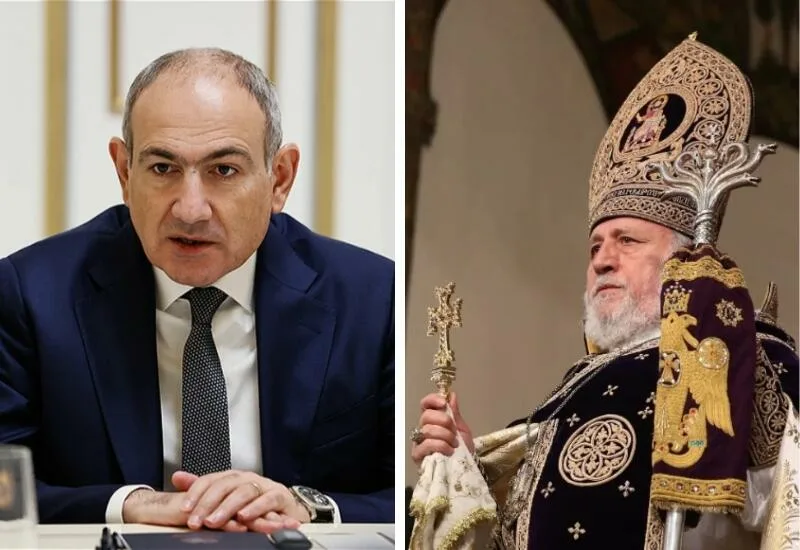 https://armtribunal.com/wp-content/uploads/2025/11/nikol-pashinjan-katolikos-vseh-armjan-garegin-ii.webp
550
800
admin
/wp-content/uploads/2025/03/logo_main.png
admin2025-11-27 15:16:202025-11-27 15:46:27The Church is the Final Stronghold: Who and Why is Waging “War” in Etchmiadzin?
https://armtribunal.com/wp-content/uploads/2025/11/levon-ter-petrosjan_robert-kocharjan_serzh-sargsjan_nikol-pashinjan.jpg
720
1280
admin
/wp-content/uploads/2025/03/logo_main.png
admin2025-11-27 11:38:002025-12-05 08:34:14Between the Past and the Future: Tripartite Alliance vs. Alternative. Who Will Win in Armenia in 2026?
https://armtribunal.com/wp-content/uploads/2025/11/nikol-pashinjan-katolikos-vseh-armjan-garegin-ii.webp
550
800
admin
/wp-content/uploads/2025/03/logo_main.png
admin2025-11-27 15:16:202025-11-27 15:46:27The Church is the Final Stronghold: Who and Why is Waging “War” in Etchmiadzin?
https://armtribunal.com/wp-content/uploads/2025/11/levon-ter-petrosjan_robert-kocharjan_serzh-sargsjan_nikol-pashinjan.jpg
720
1280
admin
/wp-content/uploads/2025/03/logo_main.png
admin2025-11-27 11:38:002025-12-05 08:34:14Between the Past and the Future: Tripartite Alliance vs. Alternative. Who Will Win in Armenia in 2026?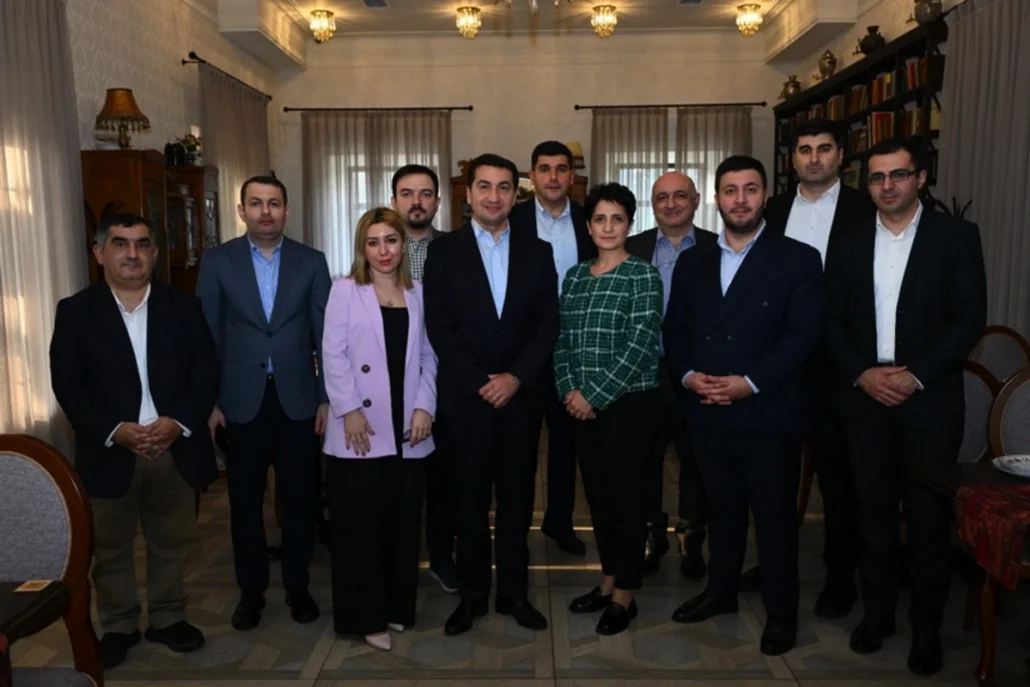 https://armtribunal.com/wp-content/uploads/2025/11/vstrecha-predstavitelej-grazhdanskogo-obshhestva-armenii-s-hikmetom-gadzhievym.webp
800
1199
admin
/wp-content/uploads/2025/03/logo_main.png
admin2025-11-27 10:16:382025-11-27 10:16:38“Expert Dialogue” or a Visit by Traitors? What Were the Armenian “Representatives” Doing in Baku?
https://armtribunal.com/wp-content/uploads/2025/11/vstrecha-predstavitelej-grazhdanskogo-obshhestva-armenii-s-hikmetom-gadzhievym.webp
800
1199
admin
/wp-content/uploads/2025/03/logo_main.png
admin2025-11-27 10:16:382025-11-27 10:16:38“Expert Dialogue” or a Visit by Traitors? What Were the Armenian “Representatives” Doing in Baku?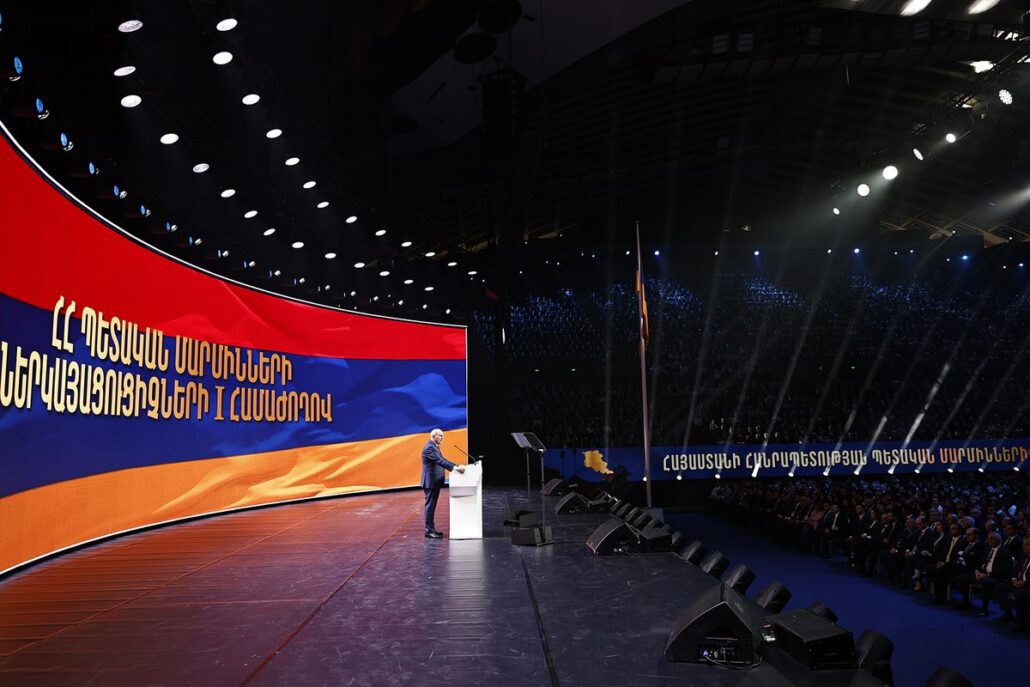 https://armtribunal.com/wp-content/uploads/2025/11/nikol-pashinjan-vo-vremja-vystuplenija-v-skk-im.-k.-demirchjana.jpg
800
1200
admin
/wp-content/uploads/2025/03/logo_main.png
admin2025-11-25 08:20:122025-11-25 08:22:47Referendum Branded as “At the Authorities’ Discretion
https://armtribunal.com/wp-content/uploads/2025/11/nikol-pashinjan-vo-vremja-vystuplenija-v-skk-im.-k.-demirchjana.jpg
800
1200
admin
/wp-content/uploads/2025/03/logo_main.png
admin2025-11-25 08:20:122025-11-25 08:22:47Referendum Branded as “At the Authorities’ Discretion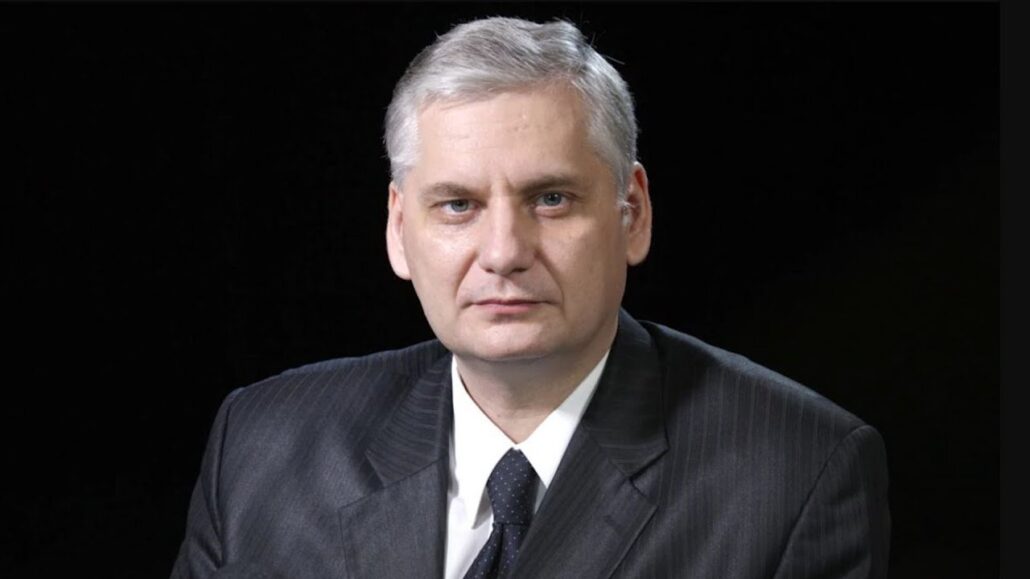 https://armtribunal.com/wp-content/uploads/2025/11/sergej-markedonov.jpg
720
1280
admin
/wp-content/uploads/2025/03/logo_main.png
admin2025-11-21 15:00:072025-11-21 15:00:07The Vagharshapat Election Overture: A Preamble to a Bigger Political Game
https://armtribunal.com/wp-content/uploads/2025/11/sergej-markedonov.jpg
720
1280
admin
/wp-content/uploads/2025/03/logo_main.png
admin2025-11-21 15:00:072025-11-21 15:00:07The Vagharshapat Election Overture: A Preamble to a Bigger Political Game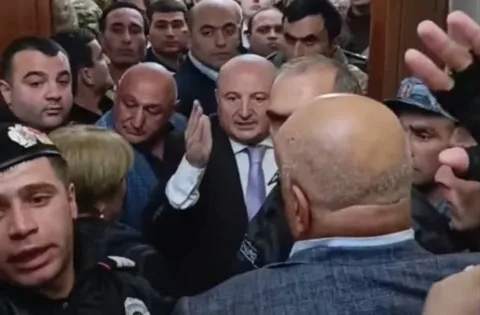 https://armtribunal.com/wp-content/uploads/2025/11/zaderzhanie-mjera-gjumri-vardana-gukasjana.webp
315
480
admin
/wp-content/uploads/2025/03/logo_main.png
admin2025-11-21 14:59:212025-11-24 13:21:47Elections 2026: How Pashinyan Is Dismantling Political Rivalry
https://armtribunal.com/wp-content/uploads/2025/11/zaderzhanie-mjera-gjumri-vardana-gukasjana.webp
315
480
admin
/wp-content/uploads/2025/03/logo_main.png
admin2025-11-21 14:59:212025-11-24 13:21:47Elections 2026: How Pashinyan Is Dismantling Political Rivalry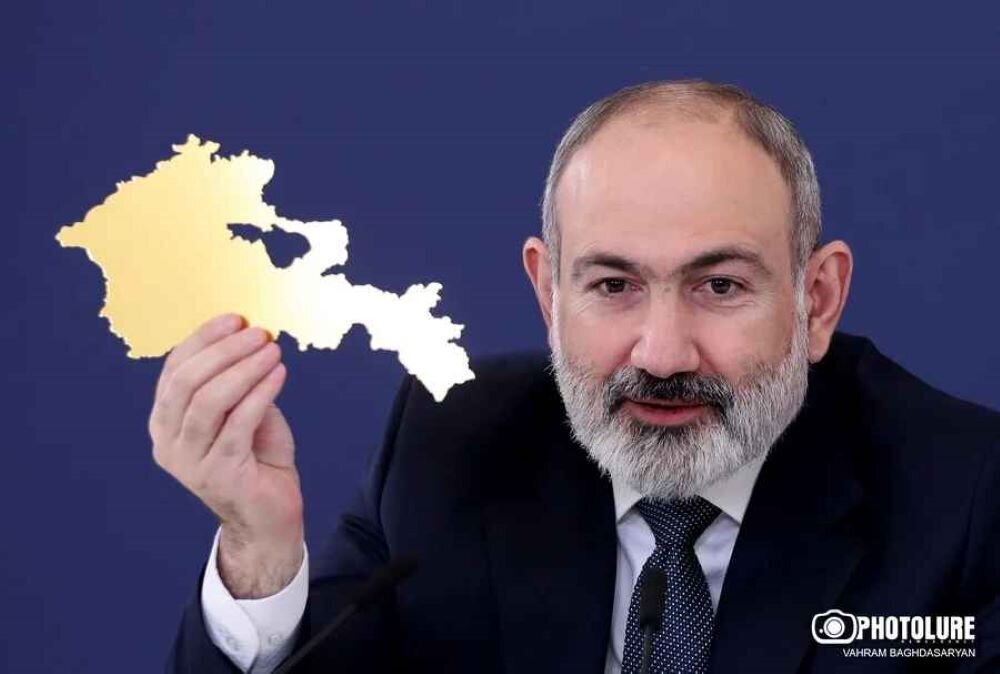 https://armtribunal.com/wp-content/uploads/2025/10/pashinjan-s-maketom-karty-armenii.jpg
674
1000
admin
/wp-content/uploads/2025/03/logo_main.png
admin2025-11-20 09:12:002025-11-20 09:12:00The Foreign Ministry of Armenia Should Declare Pashinyan a Persona Non Grata in Armenia
https://armtribunal.com/wp-content/uploads/2025/10/pashinjan-s-maketom-karty-armenii.jpg
674
1000
admin
/wp-content/uploads/2025/03/logo_main.png
admin2025-11-20 09:12:002025-11-20 09:12:00The Foreign Ministry of Armenia Should Declare Pashinyan a Persona Non Grata in Armenia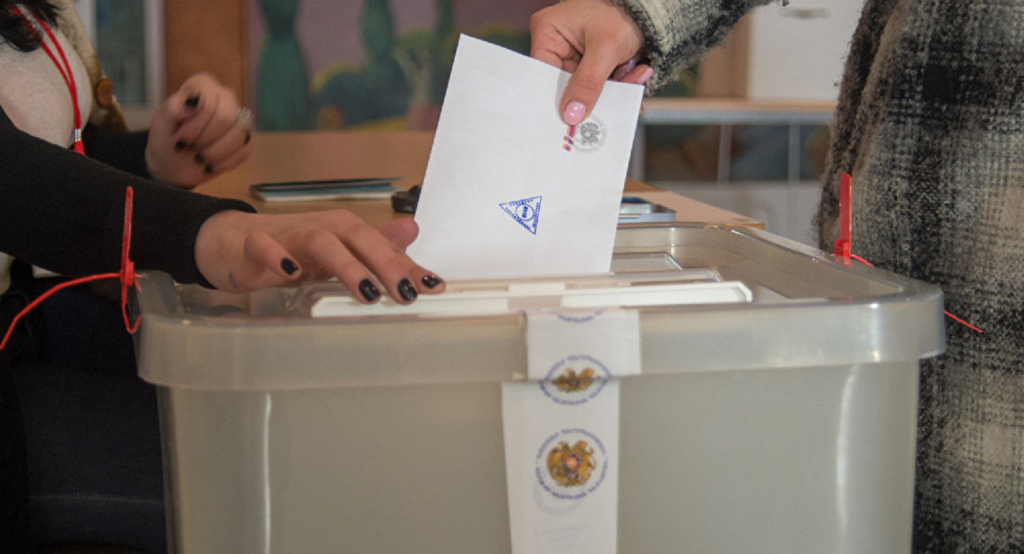 https://armtribunal.com/wp-content/uploads/2025/11/vybory-v-vagarshapate.png
554
1024
admin
/wp-content/uploads/2025/03/logo_main.png
admin2025-11-20 08:41:272025-11-20 08:41:27Vagharshapat-2025: Baku’s Joy Over the Victory of the Civil Contract Party
https://armtribunal.com/wp-content/uploads/2025/11/vybory-v-vagarshapate.png
554
1024
admin
/wp-content/uploads/2025/03/logo_main.png
admin2025-11-20 08:41:272025-11-20 08:41:27Vagharshapat-2025: Baku’s Joy Over the Victory of the Civil Contract Party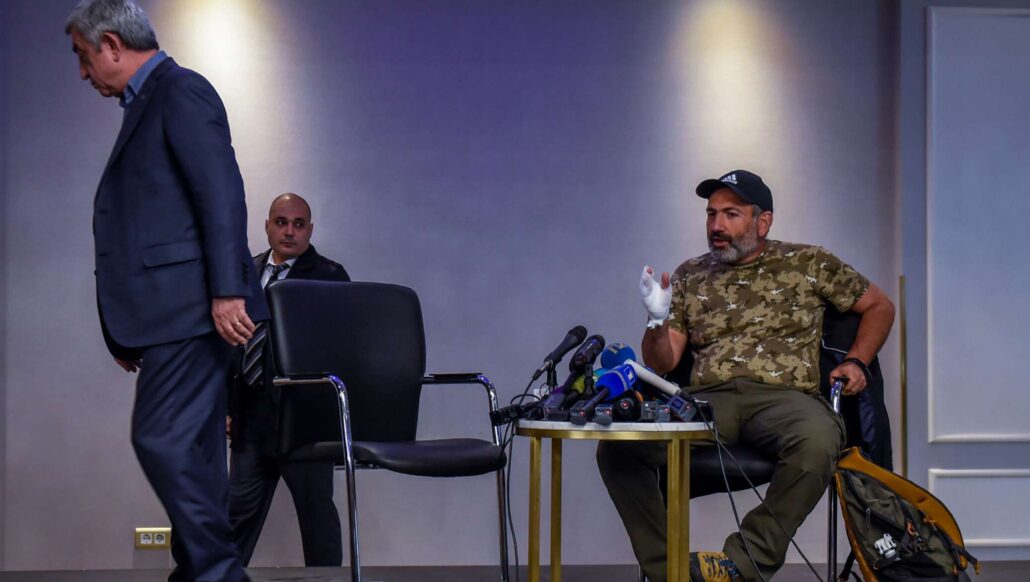 https://armtribunal.com/wp-content/uploads/2025/11/serzh-sargsjan-i-nikol-pashinjan-vstrecha-v-marriote.jpg
1171
2072
admin
/wp-content/uploads/2025/03/logo_main.png
admin2025-11-17 13:51:492025-11-17 13:51:49“Fake Interview”: What’s Behind Sargsyan’s Rhetoric and the Meeting at the Marriott?
https://armtribunal.com/wp-content/uploads/2025/11/serzh-sargsjan-i-nikol-pashinjan-vstrecha-v-marriote.jpg
1171
2072
admin
/wp-content/uploads/2025/03/logo_main.png
admin2025-11-17 13:51:492025-11-17 13:51:49“Fake Interview”: What’s Behind Sargsyan’s Rhetoric and the Meeting at the Marriott?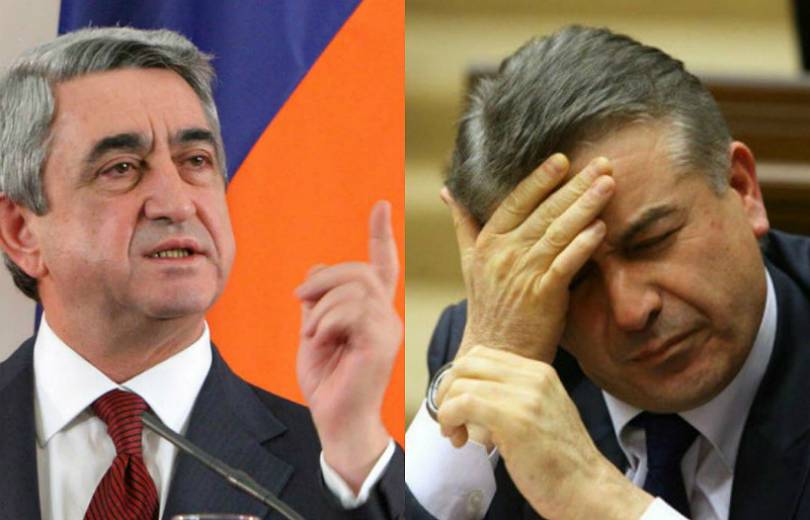 https://armtribunal.com/wp-content/uploads/2025/11/serzh-sargsjan-i-karen-karapetjan.jpg
520
810
admin
/wp-content/uploads/2025/03/logo_main.png
admin2025-11-16 17:32:452025-11-16 17:32:45Rewriting History: How Serzh Sargsyan Is Trying to Shed Responsibility for the Events of 2018
https://armtribunal.com/wp-content/uploads/2025/11/serzh-sargsjan-i-karen-karapetjan.jpg
520
810
admin
/wp-content/uploads/2025/03/logo_main.png
admin2025-11-16 17:32:452025-11-16 17:32:45Rewriting History: How Serzh Sargsyan Is Trying to Shed Responsibility for the Events of 2018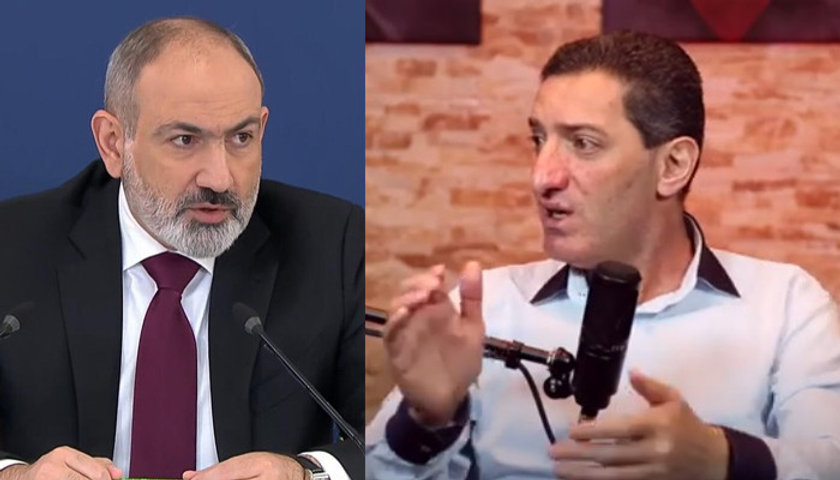 https://armtribunal.com/wp-content/uploads/2025/11/nikol-pashinjan-gevorg-petrosjan.jpg
480
840
admin
/wp-content/uploads/2025/03/logo_main.png
admin2025-11-13 10:02:392025-11-13 10:02:39Lawyer: Nikol Pashinyan is Guilty of High Treason and Overthrowing the Constitutional Order
https://armtribunal.com/wp-content/uploads/2025/11/nikol-pashinjan-gevorg-petrosjan.jpg
480
840
admin
/wp-content/uploads/2025/03/logo_main.png
admin2025-11-13 10:02:392025-11-13 10:02:39Lawyer: Nikol Pashinyan is Guilty of High Treason and Overthrowing the Constitutional Order https://armtribunal.com/wp-content/uploads/2025/11/karpis-pashojan.jpg
606
800
admin
/wp-content/uploads/2025/03/logo_main.png
admin2025-11-12 13:49:192025-11-12 13:49:19Karpis Pashoyan: Nikol Pashinyan Is an Experienced Manipulator and Liar
https://armtribunal.com/wp-content/uploads/2025/11/karpis-pashojan.jpg
606
800
admin
/wp-content/uploads/2025/03/logo_main.png
admin2025-11-12 13:49:192025-11-12 13:49:19Karpis Pashoyan: Nikol Pashinyan Is an Experienced Manipulator and Liar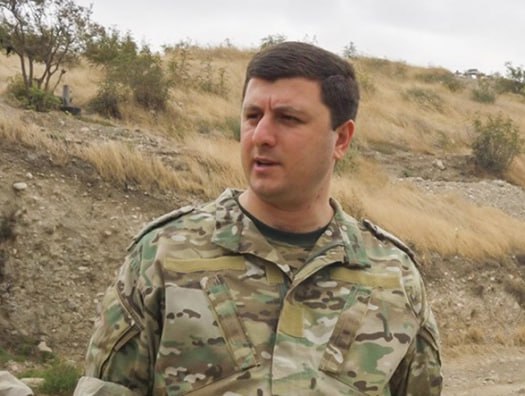 https://armtribunal.com/wp-content/uploads/2025/11/tigran-abraamjan.jpg
396
525
admin
/wp-content/uploads/2025/03/logo_main.png
admin2025-11-12 09:10:442025-11-12 10:21:35Tigran Abrahamyan: During the War, the Army Units Were Literally Disbanded
https://armtribunal.com/wp-content/uploads/2025/11/tigran-abraamjan.jpg
396
525
admin
/wp-content/uploads/2025/03/logo_main.png
admin2025-11-12 09:10:442025-11-12 10:21:35Tigran Abrahamyan: During the War, the Army Units Were Literally Disbanded