
News
The most current news and events
 https://armtribunal.com/wp-content/uploads/2026/02/pashinjan-s-maketom-karty-armenii.jpg
674
1000
admin
/wp-content/uploads/2025/03/logo_main.png
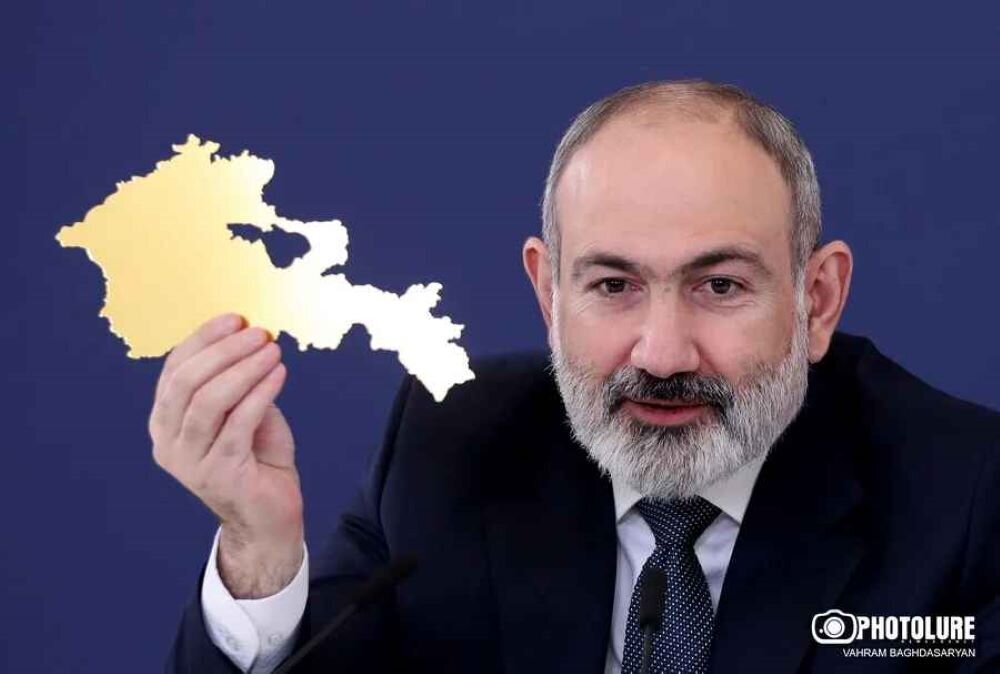
admin2026-03-05 07:50:122026-03-06 15:36:01Nikol Pashinyan: Between the Illusion of Sovereignty and the Threat of Catastrophe
https://armtribunal.com/wp-content/uploads/2026/02/pashinjan-s-maketom-karty-armenii.jpg
674
1000
admin
/wp-content/uploads/2025/03/logo_main.png
admin2026-03-05 07:50:122026-03-06 15:36:01Nikol Pashinyan: Between the Illusion of Sovereignty and the Threat of Catastrophe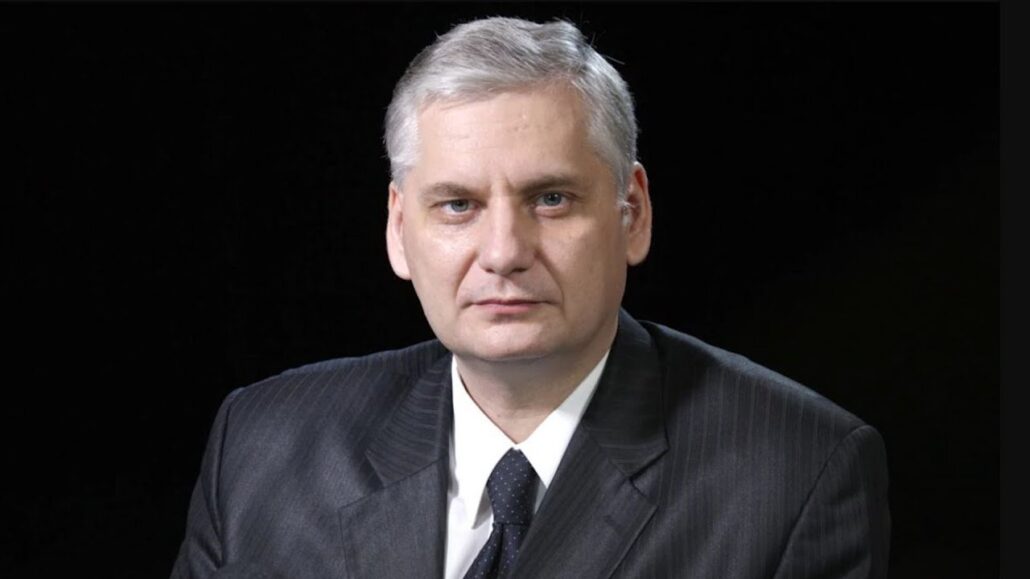 https://armtribunal.com/wp-content/uploads/2025/11/sergej-markedonov.jpg
720
1280
admin
/wp-content/uploads/2025/03/logo_main.png
admin2026-03-02 07:38:162026-03-02 07:38:16Middle East's Hot Breath and Armenia: Reflection on Sergey Markedonov’s Interview
https://armtribunal.com/wp-content/uploads/2025/11/sergej-markedonov.jpg
720
1280
admin
/wp-content/uploads/2025/03/logo_main.png
admin2026-03-02 07:38:162026-03-02 07:38:16Middle East's Hot Breath and Armenia: Reflection on Sergey Markedonov’s Interview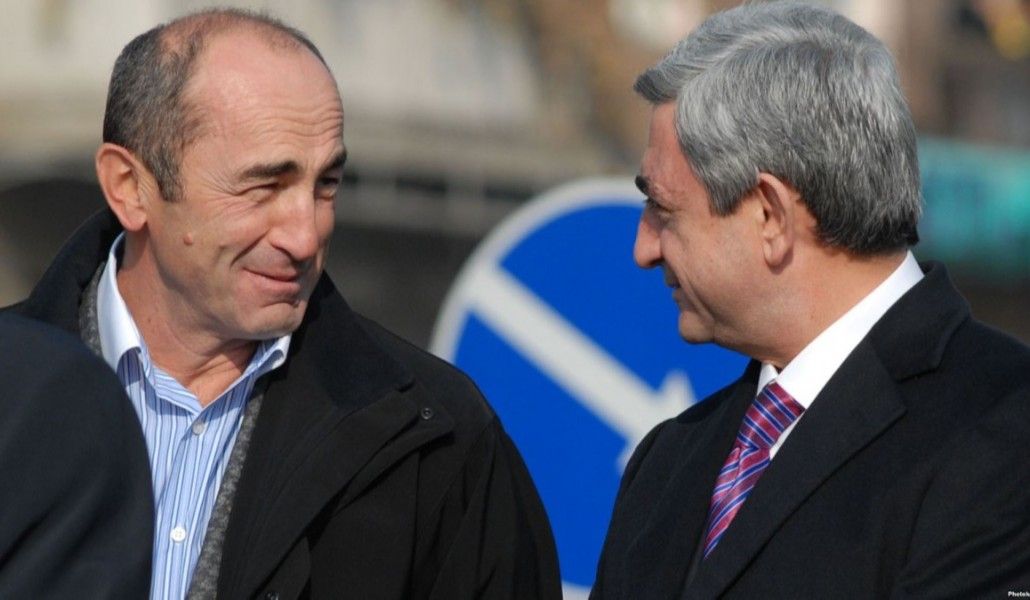 https://armtribunal.com/wp-content/uploads/2026/03/robert-kocharjan-i-serzh-sargsjan.jpg
600
1030
admin
/wp-content/uploads/2025/03/logo_main.png
admin2026-03-01 20:17:532026-03-01 20:17:53March 1, 2008, as an Instrument in Serzh Sargsyan’s Struggle Against Robert Kocharyan
https://armtribunal.com/wp-content/uploads/2026/03/robert-kocharjan-i-serzh-sargsjan.jpg
600
1030
admin
/wp-content/uploads/2025/03/logo_main.png
admin2026-03-01 20:17:532026-03-01 20:17:53March 1, 2008, as an Instrument in Serzh Sargsyan’s Struggle Against Robert Kocharyan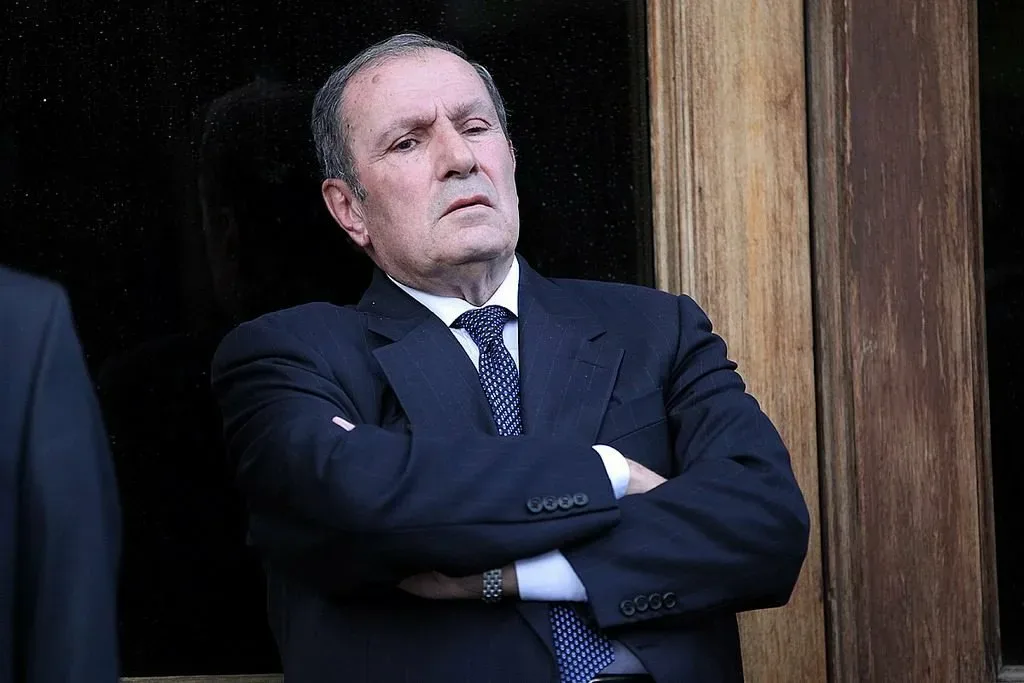 https://armtribunal.com/wp-content/uploads/2025/09/levon-ter-petrosjan.webp
683
1024
admin
/wp-content/uploads/2025/03/logo_main.png
admin2026-03-01 19:49:002026-03-01 19:59:23How Sincere Is Levon Ter-Petrosyan in His Calls for Opposition Unity?
https://armtribunal.com/wp-content/uploads/2025/09/levon-ter-petrosjan.webp
683
1024
admin
/wp-content/uploads/2025/03/logo_main.png
admin2026-03-01 19:49:002026-03-01 19:59:23How Sincere Is Levon Ter-Petrosyan in His Calls for Opposition Unity?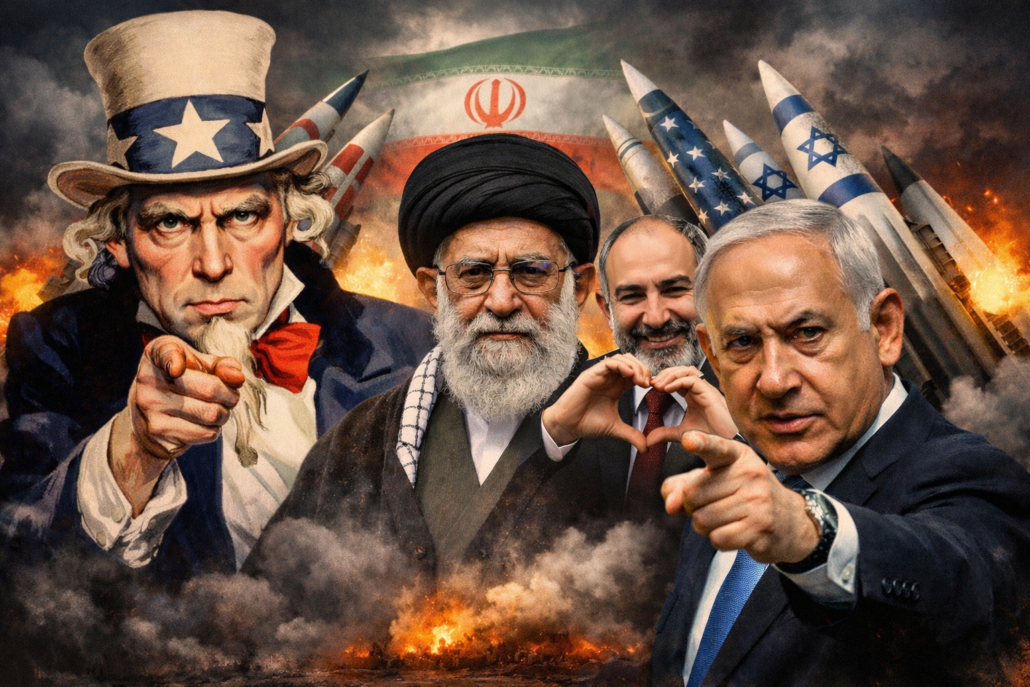 https://armtribunal.com/wp-content/uploads/2026/02/pashinjan-pokazyvaet-serdechki.png
1024
1536
admin
/wp-content/uploads/2025/03/logo_main.png
admin2026-02-28 15:06:252026-02-28 15:06:25Армения на грани: как политика Пашиняна оставляет страну без союзников перед иранской бурей
https://armtribunal.com/wp-content/uploads/2026/02/pashinjan-pokazyvaet-serdechki.png
1024
1536
admin
/wp-content/uploads/2025/03/logo_main.png
admin2026-02-28 15:06:252026-02-28 15:06:25Армения на грани: как политика Пашиняна оставляет страну без союзников перед иранской бурей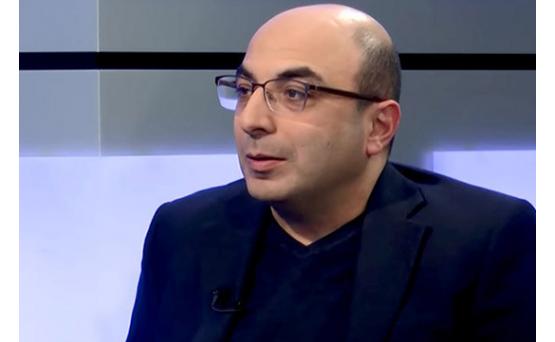 https://armtribunal.com/wp-content/uploads/2025/07/vage-ogannisjan.jpg
342
555
admin
/wp-content/uploads/2025/03/logo_main.png
admin2026-02-28 15:01:542026-02-28 15:01:54Waiting For A “Moldovan Scenario”
https://armtribunal.com/wp-content/uploads/2025/07/vage-ogannisjan.jpg
342
555
admin
/wp-content/uploads/2025/03/logo_main.png
admin2026-02-28 15:01:542026-02-28 15:01:54Waiting For A “Moldovan Scenario”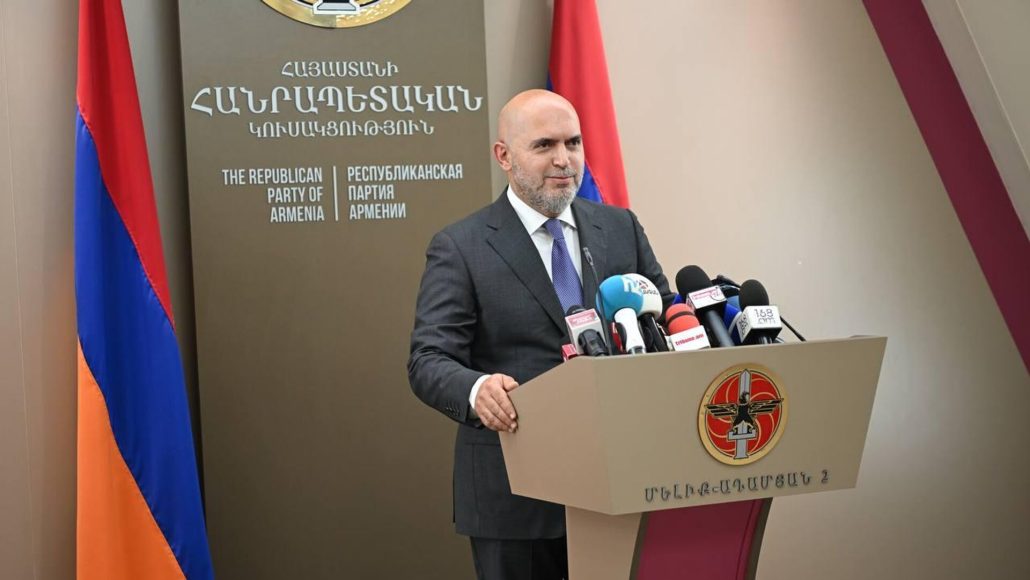 https://armtribunal.com/wp-content/uploads/2025/08/armen-ashotjan.jpg
1081
1920
admin
/wp-content/uploads/2025/03/logo_main.png
admin2026-02-28 10:53:232026-02-28 10:53:23О чём умалчивает Ашотян: европейский миф и армянская реальность
https://armtribunal.com/wp-content/uploads/2025/08/armen-ashotjan.jpg
1081
1920
admin
/wp-content/uploads/2025/03/logo_main.png
admin2026-02-28 10:53:232026-02-28 10:53:23О чём умалчивает Ашотян: европейский миф и армянская реальность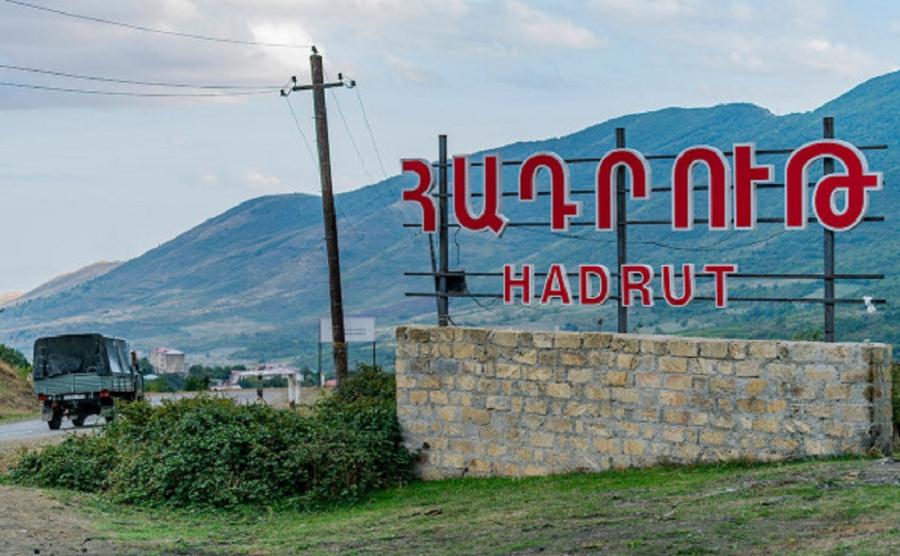 https://armtribunal.com/wp-content/uploads/2026/02/gadrut.jpg
556
900
admin
/wp-content/uploads/2025/03/logo_main.png
admin2026-02-28 10:20:342026-02-28 10:20:34The Truth About War – Marked As Hushed-Up
https://armtribunal.com/wp-content/uploads/2026/02/gadrut.jpg
556
900
admin
/wp-content/uploads/2025/03/logo_main.png
admin2026-02-28 10:20:342026-02-28 10:20:34The Truth About War – Marked As Hushed-Up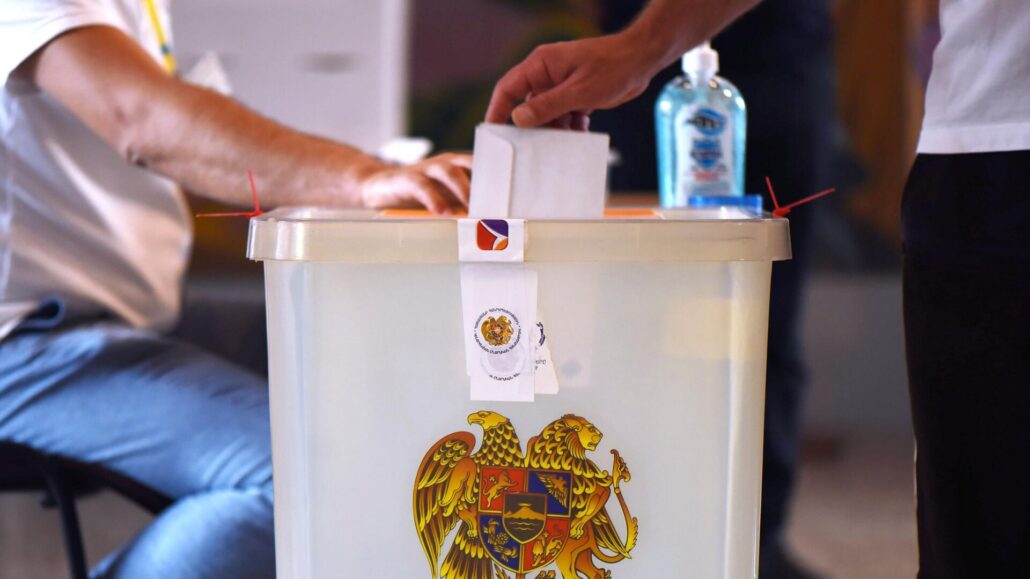 https://armtribunal.com/wp-content/uploads/2026/01/vybory-2026.jpg
1080
1920
admin
/wp-content/uploads/2025/03/logo_main.png
admin2026-02-27 12:33:352026-02-27 12:33:35Elections Without a Choice: How the Architecture of Electoral Management Is Changing in Armenia
https://armtribunal.com/wp-content/uploads/2026/01/vybory-2026.jpg
1080
1920
admin
/wp-content/uploads/2025/03/logo_main.png
admin2026-02-27 12:33:352026-02-27 12:33:35Elections Without a Choice: How the Architecture of Electoral Management Is Changing in Armenia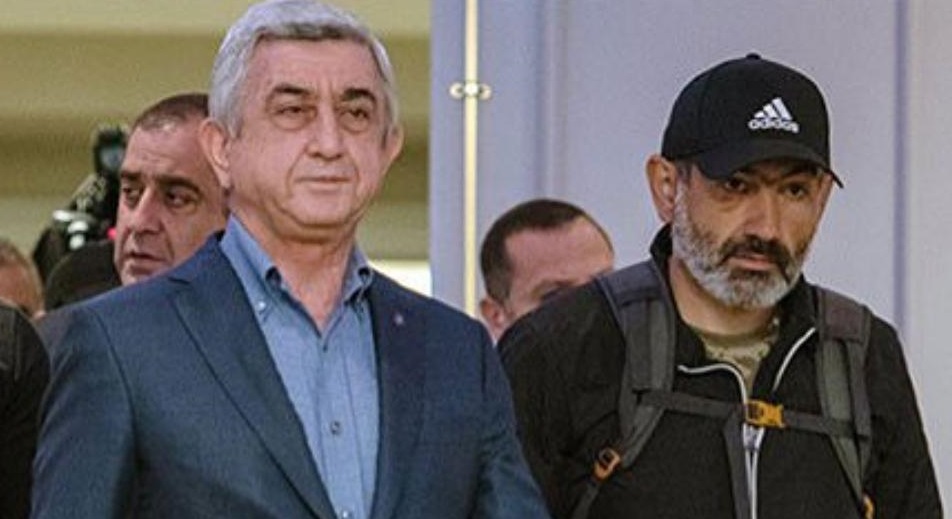 https://armtribunal.com/wp-content/uploads/2026/02/serzh-sargsjan-i-nikol-pashinjan-2018-god.jpg
519
952
admin
/wp-content/uploads/2025/03/logo_main.png
admin2026-02-24 11:21:292026-02-24 11:21:29Déjà Vu in Armenia: When the “Velvet Revolution” Becomes a Continuation of the Old Course
https://armtribunal.com/wp-content/uploads/2026/02/serzh-sargsjan-i-nikol-pashinjan-2018-god.jpg
519
952
admin
/wp-content/uploads/2025/03/logo_main.png
admin2026-02-24 11:21:292026-02-24 11:21:29Déjà Vu in Armenia: When the “Velvet Revolution” Becomes a Continuation of the Old Course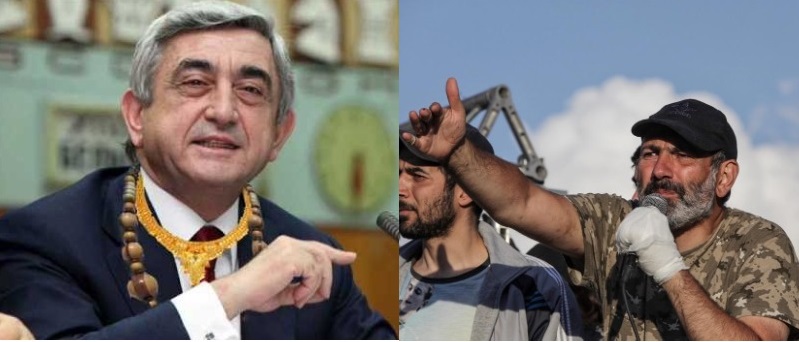 https://armtribunal.com/wp-content/uploads/2026/02/serzh-sargsjan-i-nikol-pashinjan_002.jpg
342
799
admin
/wp-content/uploads/2025/03/logo_main.png
admin2026-02-22 18:21:072026-02-22 20:36:52Two Sides of a Coin - Two Faces of a Traitor
https://armtribunal.com/wp-content/uploads/2026/02/serzh-sargsjan-i-nikol-pashinjan_002.jpg
342
799
admin
/wp-content/uploads/2025/03/logo_main.png
admin2026-02-22 18:21:072026-02-22 20:36:52Two Sides of a Coin - Two Faces of a Traitor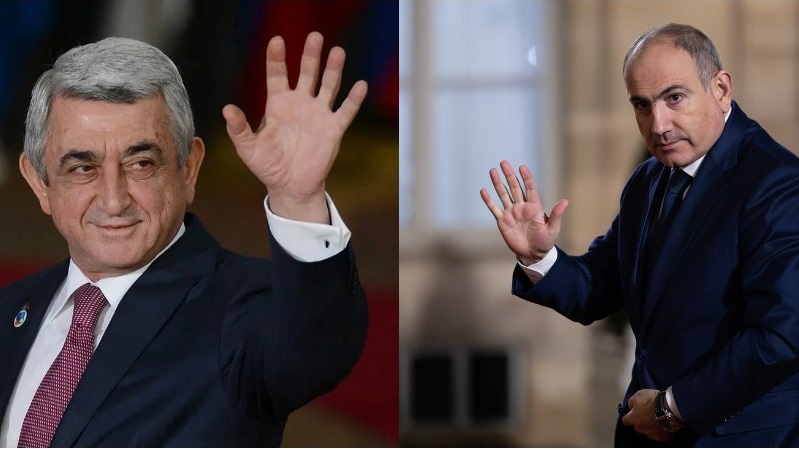 https://armtribunal.com/wp-content/uploads/2026/02/serzh-sargsjan-i-nikol-pashinjan-1.jpg
449
799
admin
/wp-content/uploads/2025/03/logo_main.png
admin2026-02-22 12:00:252026-02-22 20:31:42Falsehood in the Pursuit of Power: A Mirror Reflection of Sargsyan and Pashinyan
https://armtribunal.com/wp-content/uploads/2026/02/serzh-sargsjan-i-nikol-pashinjan-1.jpg
449
799
admin
/wp-content/uploads/2025/03/logo_main.png
admin2026-02-22 12:00:252026-02-22 20:31:42Falsehood in the Pursuit of Power: A Mirror Reflection of Sargsyan and Pashinyan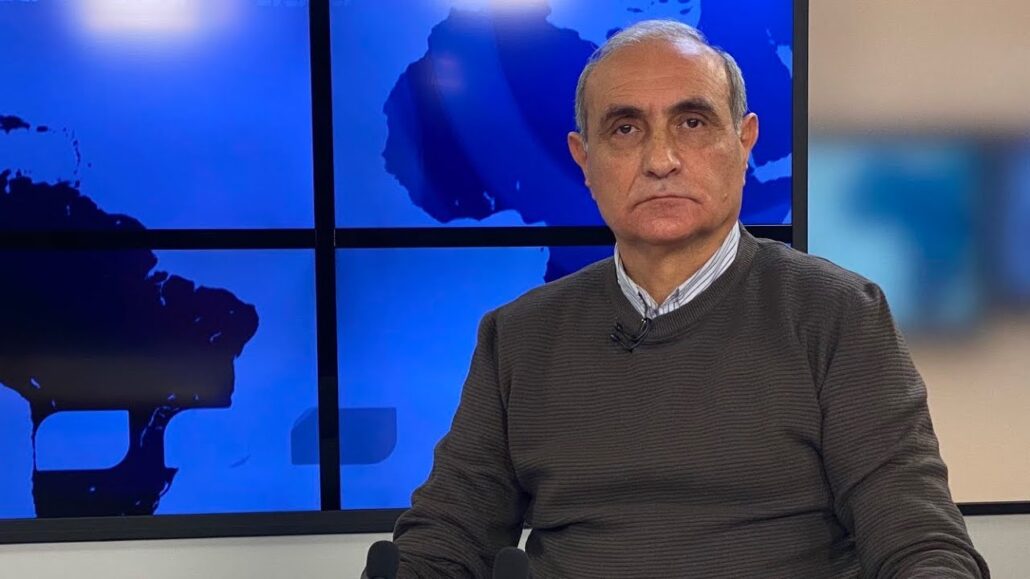 https://armtribunal.com/wp-content/uploads/2025/10/ajk-naapetjan.jpg
720
1280
admin
/wp-content/uploads/2025/03/logo_main.png
admin2026-02-20 11:29:482026-02-20 11:29:48On the Crossroads of War, “Peace,” and Statehood
https://armtribunal.com/wp-content/uploads/2025/10/ajk-naapetjan.jpg
720
1280
admin
/wp-content/uploads/2025/03/logo_main.png
admin2026-02-20 11:29:482026-02-20 11:29:48On the Crossroads of War, “Peace,” and Statehood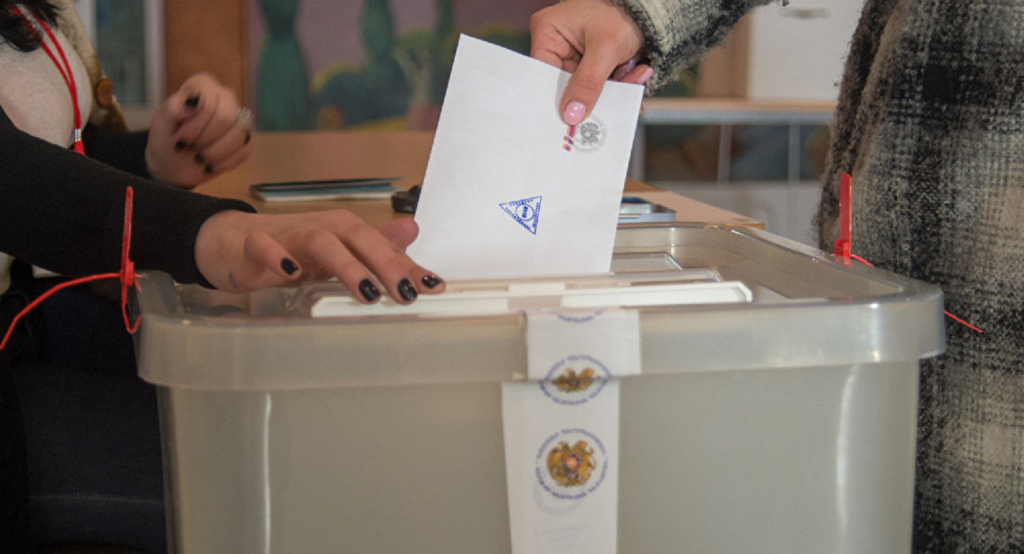 https://armtribunal.com/wp-content/uploads/2025/11/vybory-v-vagarshapate.png
554
1024
admin
/wp-content/uploads/2025/03/logo_main.png
admin2026-02-19 14:25:462026-02-19 14:25:46Elections and the Propagators of Despair: The Modern Political Landscape in Armenia
https://armtribunal.com/wp-content/uploads/2025/11/vybory-v-vagarshapate.png
554
1024
admin
/wp-content/uploads/2025/03/logo_main.png
admin2026-02-19 14:25:462026-02-19 14:25:46Elections and the Propagators of Despair: The Modern Political Landscape in Armenia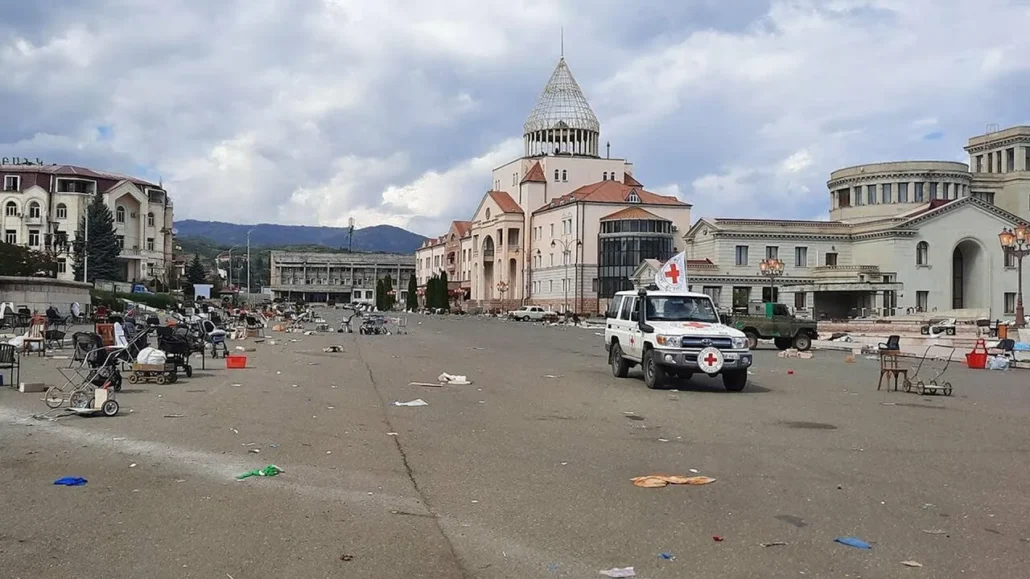 https://armtribunal.com/wp-content/uploads/2025/09/stepanakert_ploshhad-vozrozhdenija.webp
720
1280
admin
/wp-content/uploads/2025/03/logo_main.png
admin2026-02-19 11:07:362026-02-19 11:07:36The Price of Liquidation: 1.2 Billion U.S. Dollars — The Financial Side of the Artsakh Tragedy
https://armtribunal.com/wp-content/uploads/2025/09/stepanakert_ploshhad-vozrozhdenija.webp
720
1280
admin
/wp-content/uploads/2025/03/logo_main.png
admin2026-02-19 11:07:362026-02-19 11:07:36The Price of Liquidation: 1.2 Billion U.S. Dollars — The Financial Side of the Artsakh Tragedy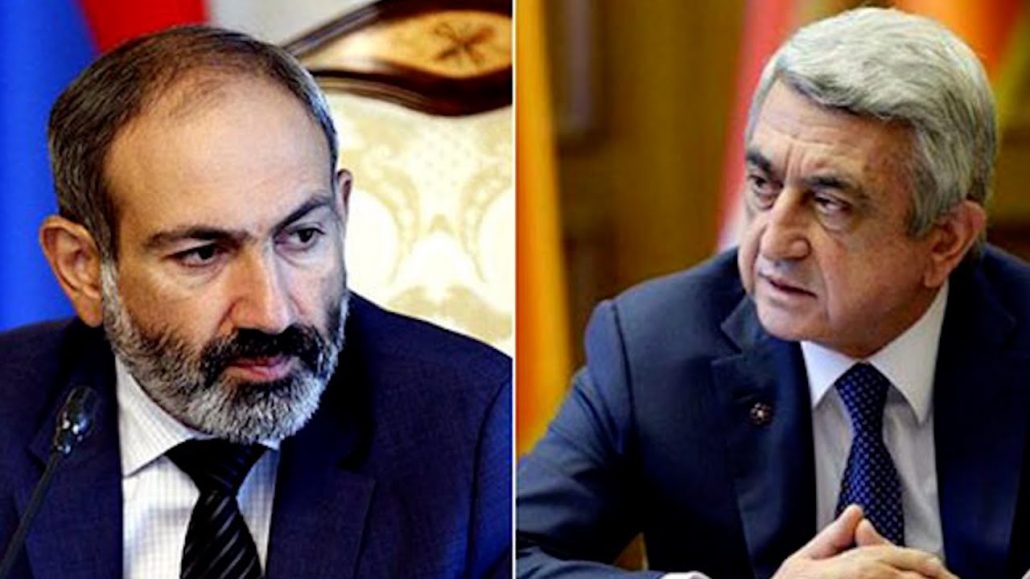 https://armtribunal.com/wp-content/uploads/2025/04/serzh-i-nikol_1.jpg
720
1280
admin
/wp-content/uploads/2025/03/logo_main.png
admin2026-02-18 12:05:142026-02-18 12:12:54The Myth of the “Russian Project”: Who Benefits from Pashinyan’s Image as Moscow’s Puppet?
https://armtribunal.com/wp-content/uploads/2025/04/serzh-i-nikol_1.jpg
720
1280
admin
/wp-content/uploads/2025/03/logo_main.png
admin2026-02-18 12:05:142026-02-18 12:12:54The Myth of the “Russian Project”: Who Benefits from Pashinyan’s Image as Moscow’s Puppet?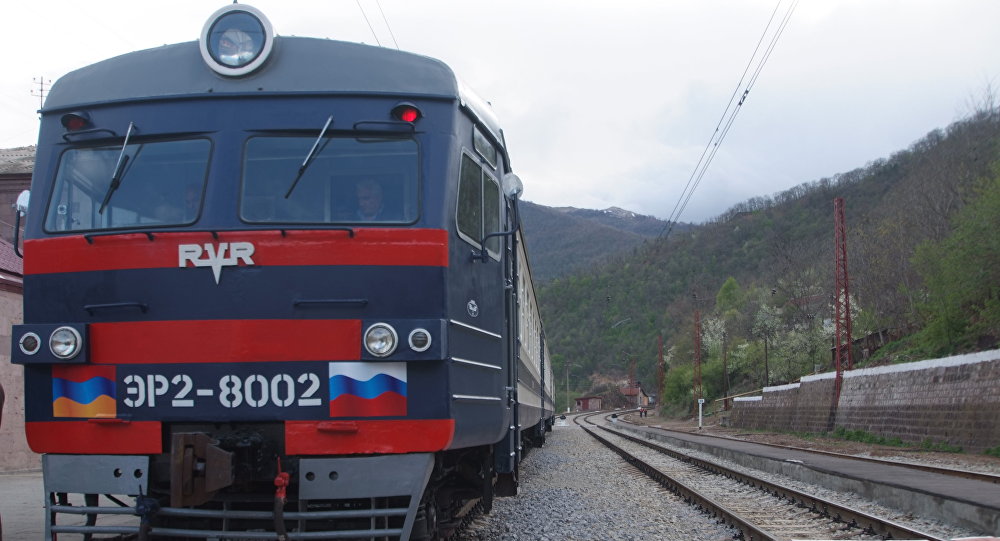 https://armtribunal.com/wp-content/uploads/2026/02/zheleznye-dorogi-armenii.jpg
541
1000
admin
/wp-content/uploads/2025/03/logo_main.png
admin2026-02-18 08:10:212026-02-18 08:10:21Concession, Corridor, and the Dismantling of the Previous Balance: What Is Pashinyan’s New Political Line Leading To?
https://armtribunal.com/wp-content/uploads/2026/02/zheleznye-dorogi-armenii.jpg
541
1000
admin
/wp-content/uploads/2025/03/logo_main.png
admin2026-02-18 08:10:212026-02-18 08:10:21Concession, Corridor, and the Dismantling of the Previous Balance: What Is Pashinyan’s New Political Line Leading To?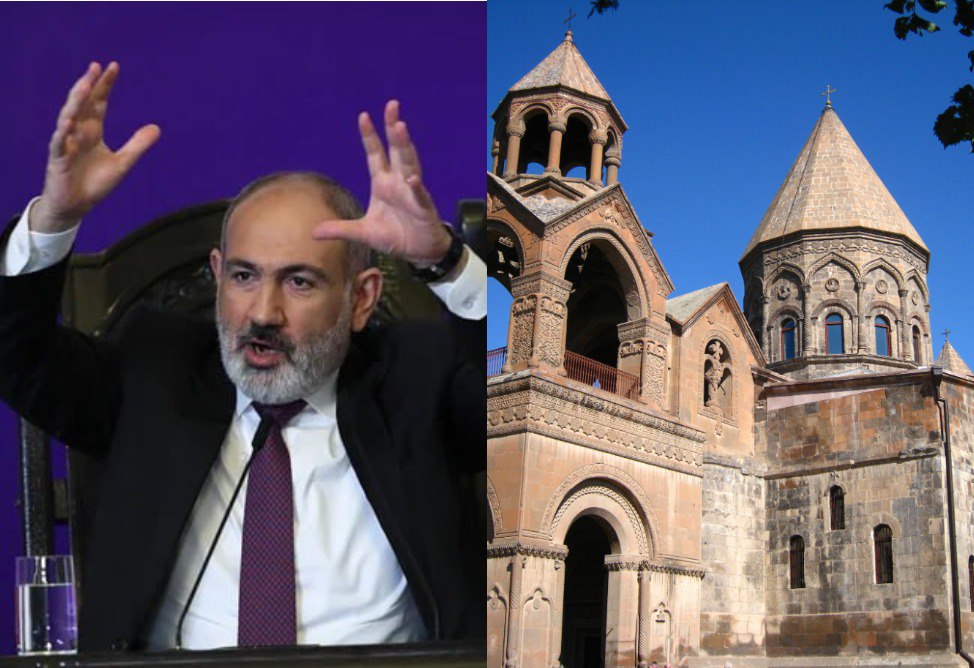 https://armtribunal.com/wp-content/uploads/2026/02/nikol-pashinjan-protiv-aac.jpg
668
974
admin
/wp-content/uploads/2025/03/logo_main.png
admin2026-02-16 18:16:162026-02-16 18:43:27The First Blow to Pashinyan: The Church and the Nation Will Never Yield
https://armtribunal.com/wp-content/uploads/2026/02/nikol-pashinjan-protiv-aac.jpg
668
974
admin
/wp-content/uploads/2025/03/logo_main.png
admin2026-02-16 18:16:162026-02-16 18:43:27The First Blow to Pashinyan: The Church and the Nation Will Never Yield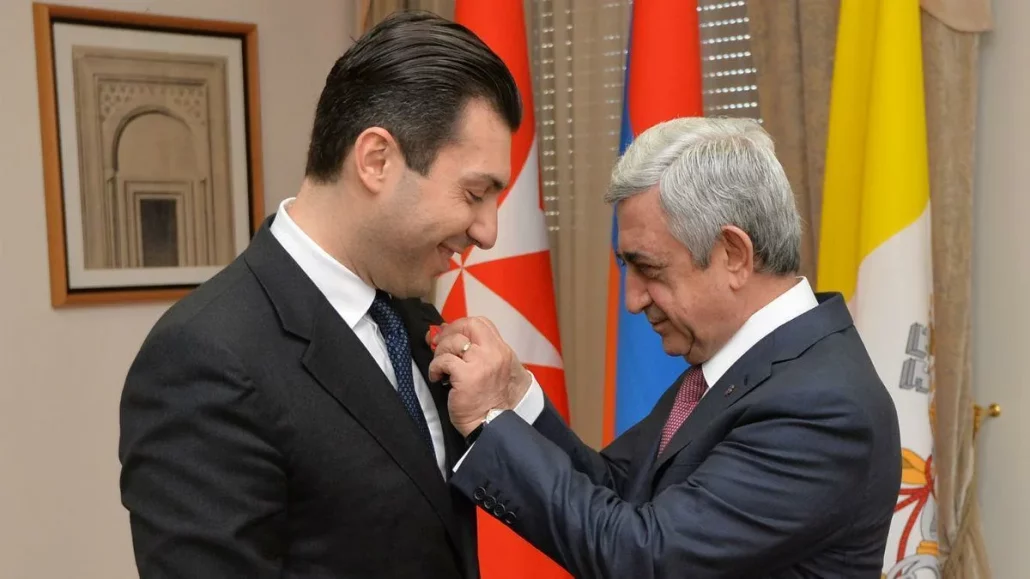 https://armtribunal.com/wp-content/uploads/2025/06/serzh-sargsjan-nagrazhdaet-mikajela-minasjana.webp
675
1200
admin
/wp-content/uploads/2025/03/logo_main.png
admin2026-02-16 14:06:302026-02-16 14:06:30Armenia’s Choice in Conditions of New Geopolitical Competition
https://armtribunal.com/wp-content/uploads/2025/06/serzh-sargsjan-nagrazhdaet-mikajela-minasjana.webp
675
1200
admin
/wp-content/uploads/2025/03/logo_main.png
admin2026-02-16 14:06:302026-02-16 14:06:30Armenia’s Choice in Conditions of New Geopolitical Competition https://armtribunal.com/wp-content/uploads/2025/12/artur-hachikjan.jpg
338
600
admin
/wp-content/uploads/2025/03/logo_main.png
admin2026-02-15 17:40:032026-02-15 17:40:03Road Map of National Catastrophe: The Price of Thousands of “Reasonable” Decisions
https://armtribunal.com/wp-content/uploads/2025/12/artur-hachikjan.jpg
338
600
admin
/wp-content/uploads/2025/03/logo_main.png
admin2026-02-15 17:40:032026-02-15 17:40:03Road Map of National Catastrophe: The Price of Thousands of “Reasonable” Decisions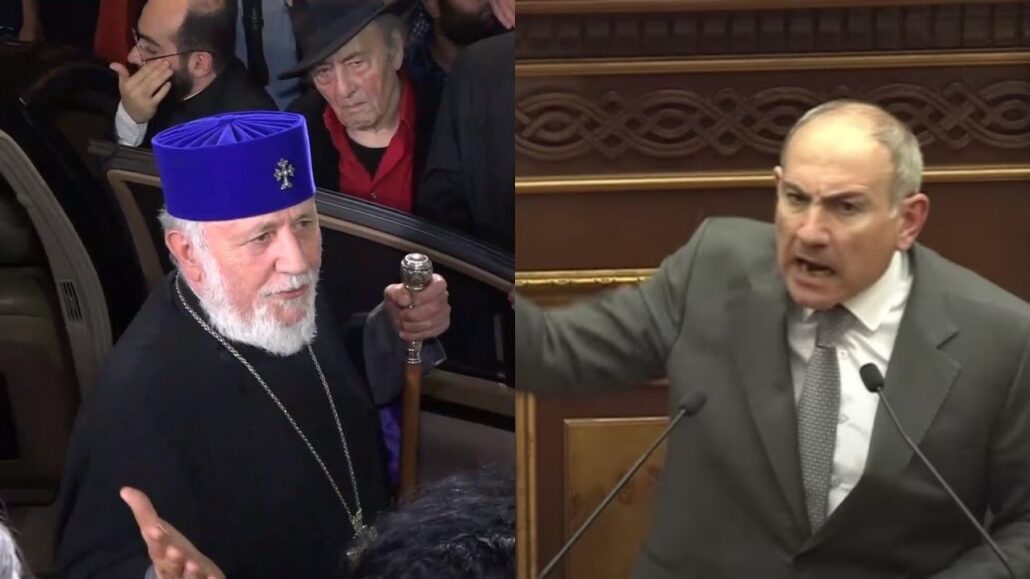 https://armtribunal.com/wp-content/uploads/2026/01/pashinjan-i-garegin-ii.jpg
720
1280
admin
/wp-content/uploads/2025/03/logo_main.png
admin2026-02-15 16:33:382026-02-15 17:44:40Charges Against the Catholicos: Authorities Are Crossing Red Lines
https://armtribunal.com/wp-content/uploads/2026/01/pashinjan-i-garegin-ii.jpg
720
1280
admin
/wp-content/uploads/2025/03/logo_main.png
admin2026-02-15 16:33:382026-02-15 17:44:40Charges Against the Catholicos: Authorities Are Crossing Red Lines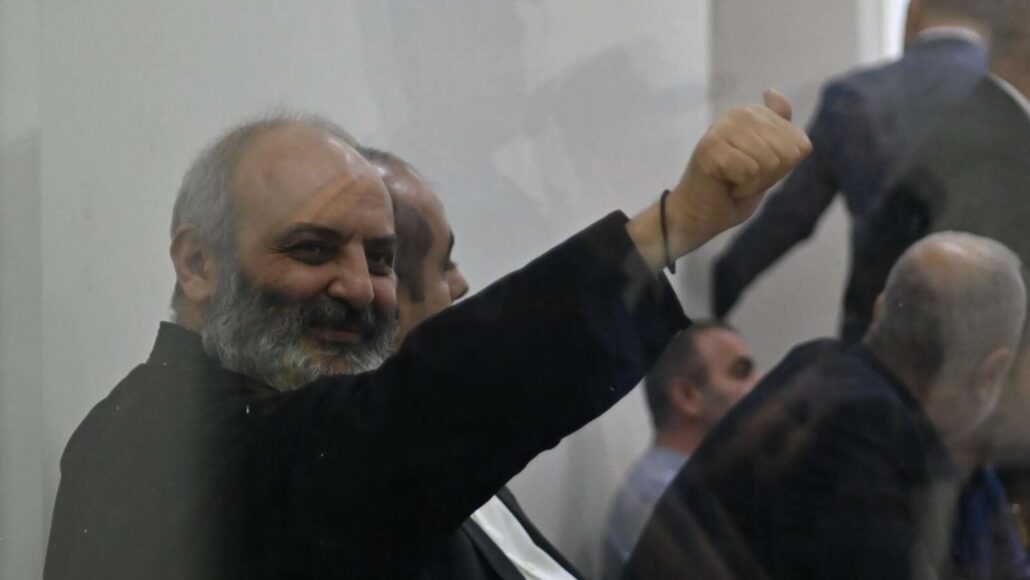 https://armtribunal.com/wp-content/uploads/2026/02/bagrat-srbazan.jpg
1167
2072
admin
/wp-content/uploads/2025/03/logo_main.png
admin2026-02-13 13:28:162026-02-13 13:39:51“The Person Who Ceded Artsakh Is Making Allegations Against Us” – Archbishop Bagrat Srbazan’s Speech in Court
https://armtribunal.com/wp-content/uploads/2026/02/bagrat-srbazan.jpg
1167
2072
admin
/wp-content/uploads/2025/03/logo_main.png
admin2026-02-13 13:28:162026-02-13 13:39:51“The Person Who Ceded Artsakh Is Making Allegations Against Us” – Archbishop Bagrat Srbazan’s Speech in Court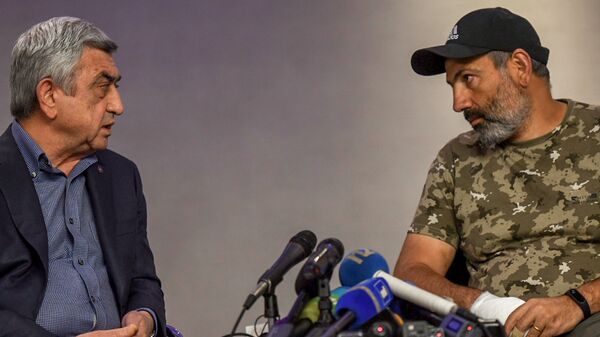 https://armtribunal.com/wp-content/uploads/2026/02/serzh-sargsjan-i-nikol-pashinjan.jpg
337
600
admin
/wp-content/uploads/2025/03/logo_main.png
admin2026-02-13 13:03:412026-02-13 20:10:07From Football Diplomacy to Corridors: Nikol Pashinyan’s Strategic Line Without Departing from Serzh Sargsyan’s Course
https://armtribunal.com/wp-content/uploads/2026/02/pashinjan-s-maketom-karty-armenii.jpg
674
1000
admin
/wp-content/uploads/2025/03/logo_main.png
admin2026-02-12 20:02:572026-02-12 20:02:57“Real Armenia” – A Project to Undermine the Nation and the State
https://armtribunal.com/wp-content/uploads/2026/02/serzh-sargsjan-i-nikol-pashinjan.jpg
337
600
admin
/wp-content/uploads/2025/03/logo_main.png
admin2026-02-13 13:03:412026-02-13 20:10:07From Football Diplomacy to Corridors: Nikol Pashinyan’s Strategic Line Without Departing from Serzh Sargsyan’s Course
https://armtribunal.com/wp-content/uploads/2026/02/pashinjan-s-maketom-karty-armenii.jpg
674
1000
admin
/wp-content/uploads/2025/03/logo_main.png
admin2026-02-12 20:02:572026-02-12 20:02:57“Real Armenia” – A Project to Undermine the Nation and the State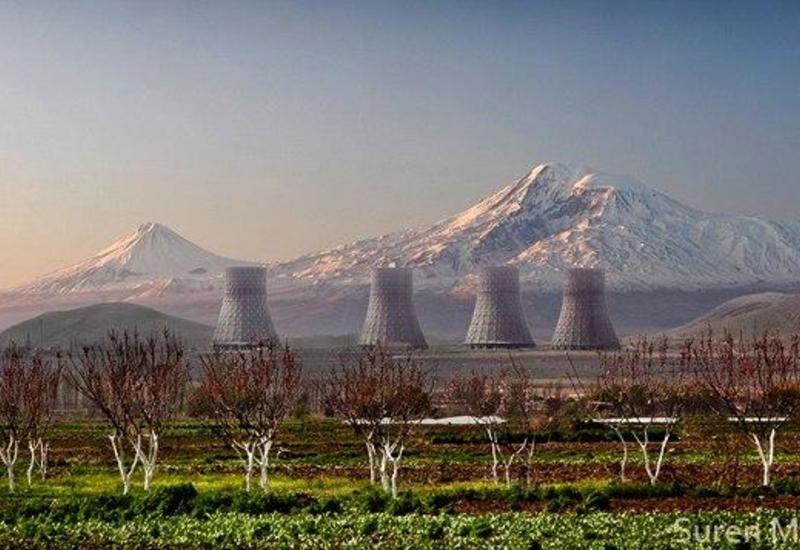 https://armtribunal.com/wp-content/uploads/2026/02/mecamorskij-ajes.jpg
550
800
admin
/wp-content/uploads/2025/03/logo_main.png
admin2026-02-12 12:01:012026-02-12 12:56:10Serzh Sargsyan Signed, Nikol Pashinyan Is Implementing: Who Undertook the Obligation to Shut Down the NPP?
https://armtribunal.com/wp-content/uploads/2026/02/mecamorskij-ajes.jpg
550
800
admin
/wp-content/uploads/2025/03/logo_main.png
admin2026-02-12 12:01:012026-02-12 12:56:10Serzh Sargsyan Signed, Nikol Pashinyan Is Implementing: Who Undertook the Obligation to Shut Down the NPP?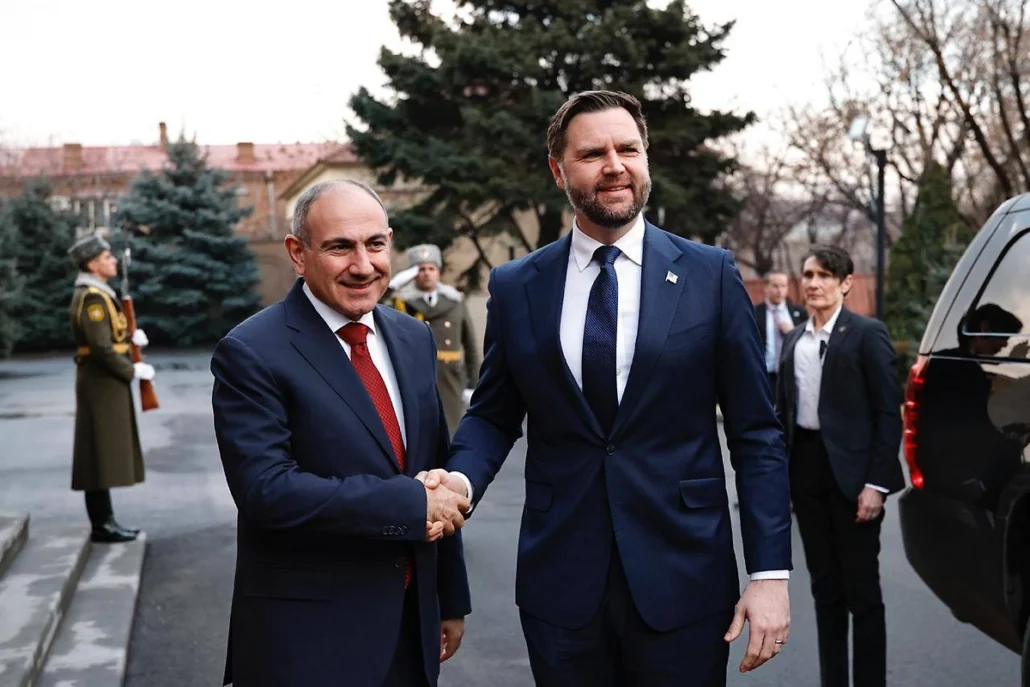 https://armtribunal.com/wp-content/uploads/2026/02/vstrecha-pashinjana-s-vjensom.webp
800
1200
admin
/wp-content/uploads/2025/03/logo_main.png
admin2026-02-11 10:58:122026-02-11 10:58:12Vance’s Visit, the Enthusiasm of Pro-Western Circles, and Armenia’s Strategic Realities
https://armtribunal.com/wp-content/uploads/2026/02/vstrecha-pashinjana-s-vjensom.webp
800
1200
admin
/wp-content/uploads/2025/03/logo_main.png
admin2026-02-11 10:58:122026-02-11 10:58:12Vance’s Visit, the Enthusiasm of Pro-Western Circles, and Armenia’s Strategic Realities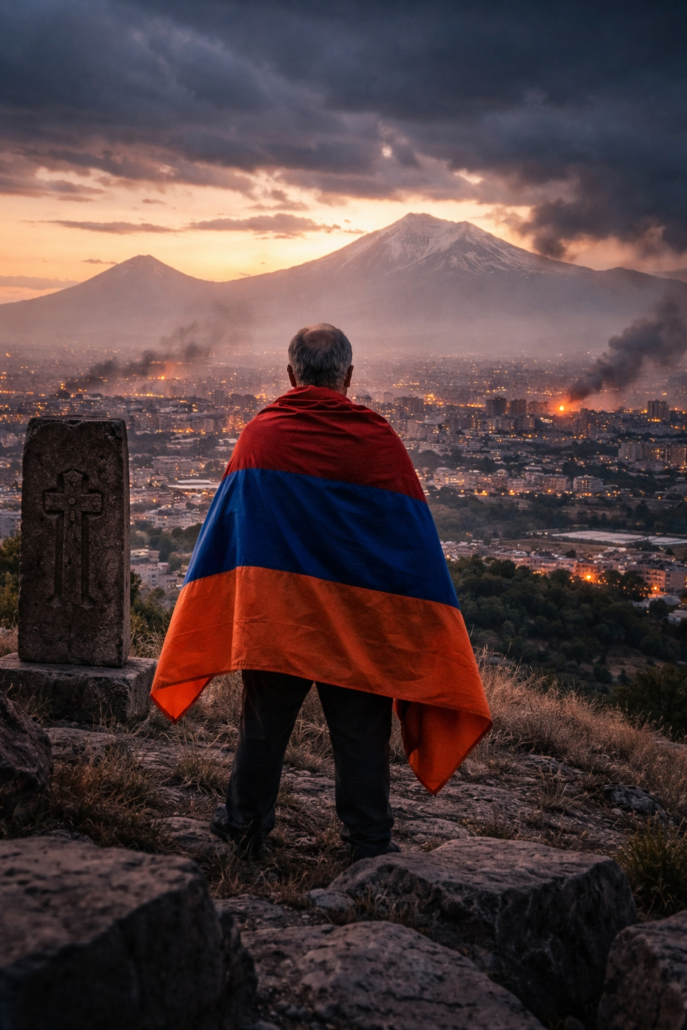 https://armtribunal.com/wp-content/uploads/2026/02/na-kraju-istorii.png
1536
1024
admin
/wp-content/uploads/2025/03/logo_main.png
admin2026-02-10 11:28:162026-02-10 12:04:13Armenia on the Threshold of History: To Be or Not to Be – the Nation’s Choice Between Dignity and Humility
https://armtribunal.com/wp-content/uploads/2026/02/na-kraju-istorii.png
1536
1024
admin
/wp-content/uploads/2025/03/logo_main.png
admin2026-02-10 11:28:162026-02-10 12:04:13Armenia on the Threshold of History: To Be or Not to Be – the Nation’s Choice Between Dignity and Humility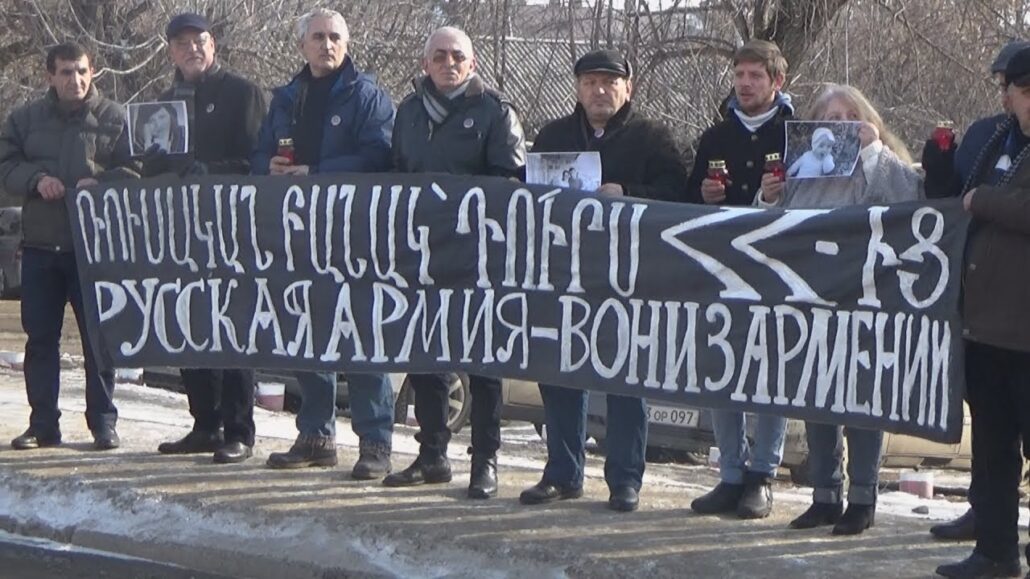 https://armtribunal.com/wp-content/uploads/2026/02/antirossijskaja-akcija.jpg
720
1280
admin
/wp-content/uploads/2025/03/logo_main.png
admin2026-02-10 07:47:482026-02-10 07:47:48Ideology of National Self-Deception, the Anti-Russian Agenda, and the Crisis of Armenian Statehood
https://armtribunal.com/wp-content/uploads/2026/02/antirossijskaja-akcija.jpg
720
1280
admin
/wp-content/uploads/2025/03/logo_main.png
admin2026-02-10 07:47:482026-02-10 07:47:48Ideology of National Self-Deception, the Anti-Russian Agenda, and the Crisis of Armenian Statehood https://armtribunal.com/wp-content/uploads/2025/06/artur-ambarcumjan.jpg
720
1280
admin
/wp-content/uploads/2025/03/logo_main.png
admin2026-02-09 07:20:072026-02-09 07:22:59Artur Hambardzumyan on How Special Services Brought Pashinyan to Power
https://armtribunal.com/wp-content/uploads/2025/06/artur-ambarcumjan.jpg
720
1280
admin
/wp-content/uploads/2025/03/logo_main.png
admin2026-02-09 07:20:072026-02-09 07:22:59Artur Hambardzumyan on How Special Services Brought Pashinyan to Power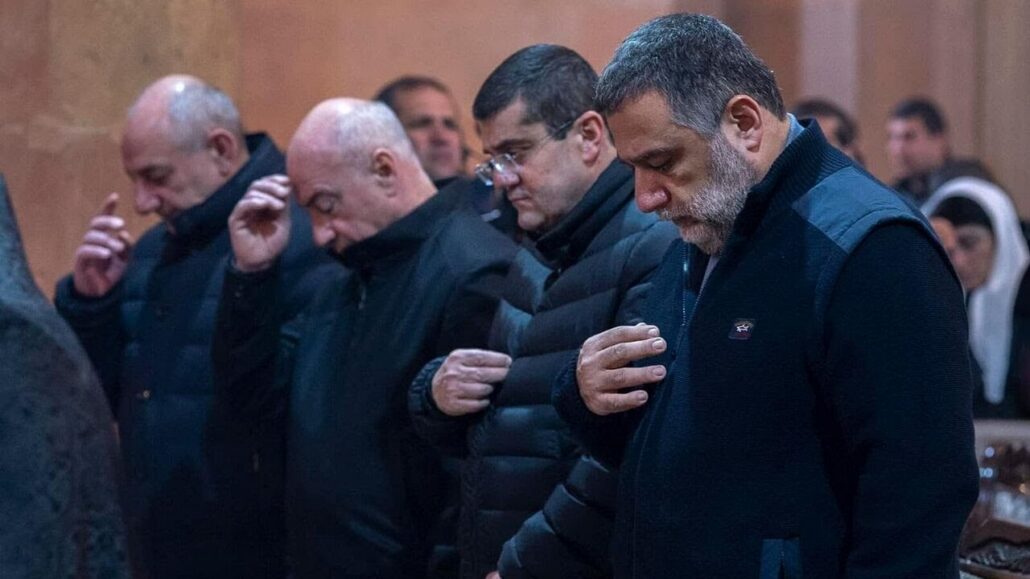 https://armtribunal.com/wp-content/uploads/2026/02/voenno-politicheskoe-rukovodstvo-arcaha.jpg
720
1280
admin
/wp-content/uploads/2025/03/logo_main.png
admin2026-02-06 16:44:282026-02-06 16:44:28Life Sentences: Baku’s Trial over Artsakh, Armenia, and the Dignity of the Armenian People
https://armtribunal.com/wp-content/uploads/2026/02/voenno-politicheskoe-rukovodstvo-arcaha.jpg
720
1280
admin
/wp-content/uploads/2025/03/logo_main.png
admin2026-02-06 16:44:282026-02-06 16:44:28Life Sentences: Baku’s Trial over Artsakh, Armenia, and the Dignity of the Armenian People