
 https://armtribunal.com/wp-content/uploads/2026/06/nikol-pashinjan-i-ilham-aliev.jpg
853
1280
admin
/wp-content/uploads/2025/03/logo_main.png
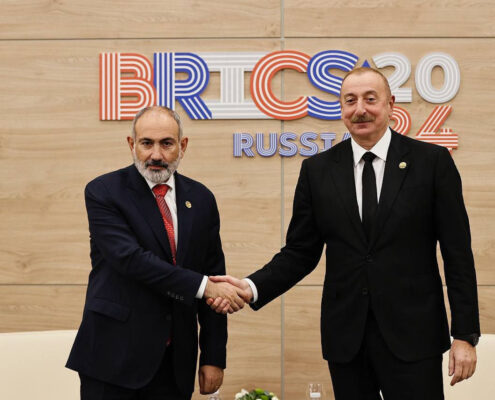
admin2026-08-24 11:06:092026-08-24 11:06:09ХРОНИКА ПРЕДАТЕЛЬСТВА
https://armtribunal.com/wp-content/uploads/2026/06/nikol-pashinjan-i-ilham-aliev.jpg
853
1280
admin
/wp-content/uploads/2025/03/logo_main.png
admin2026-08-24 11:06:092026-08-24 11:06:09ХРОНИКА ПРЕДАТЕЛЬСТВА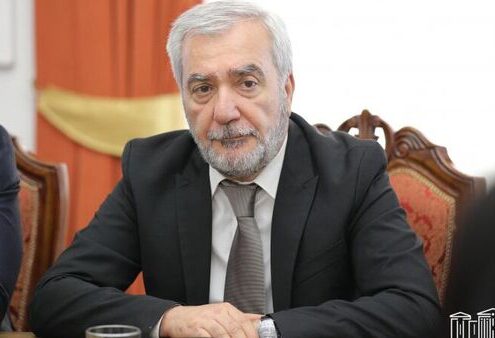 https://armtribunal.com/wp-content/uploads/2025/09/andranik-kocharjan.jpg
338
600
admin
/wp-content/uploads/2025/03/logo_main.png
admin2026-08-05 17:47:182026-08-05 17:47:18«ДРУГ» АРЦРУНА МАРГАРЯНА, КОТОРЫЙ ХОТЕЛ ЗАТКНУТЬ РОТ СВИДЕТЕЛЮ: ЧТО СКРЫВАЕТ АНДРАНИК КОЧАРЯН?
https://armtribunal.com/wp-content/uploads/2025/09/andranik-kocharjan.jpg
338
600
admin
/wp-content/uploads/2025/03/logo_main.png
admin2026-08-05 17:47:182026-08-05 17:47:18«ДРУГ» АРЦРУНА МАРГАРЯНА, КОТОРЫЙ ХОТЕЛ ЗАТКНУТЬ РОТ СВИДЕТЕЛЮ: ЧТО СКРЫВАЕТ АНДРАНИК КОЧАРЯН? https://armtribunal.com/wp-content/uploads/2026/07/pashinyan-war-prisonees.jpg
1080
1920
admin
/wp-content/uploads/2025/03/logo_main.png
admin2026-07-08 11:28:202026-07-08 11:28:20СВИДЕТЕЛИ НЕ ДОЖИВАЮТ ДО ПОКАЗАНИЙ. ХРОНИКА ЗАГАДОЧНЫХ СМЕРТЕЙ ПОСЛЕ «БАРХАТНОЙ РЕВОЛЮЦИИ»
https://armtribunal.com/wp-content/uploads/2026/07/pashinyan-war-prisonees.jpg
1080
1920
admin
/wp-content/uploads/2025/03/logo_main.png
admin2026-07-08 11:28:202026-07-08 11:28:20СВИДЕТЕЛИ НЕ ДОЖИВАЮТ ДО ПОКАЗАНИЙ. ХРОНИКА ЗАГАДОЧНЫХ СМЕРТЕЙ ПОСЛЕ «БАРХАТНОЙ РЕВОЛЮЦИИ» https://armtribunal.com/wp-content/uploads/2026/05/pashinjan-v-isterike.jpg
488
600
admin
/wp-content/uploads/2025/03/logo_main.png
admin2026-06-09 10:12:302026-06-09 10:21:56ALL ARE EQUAL BEFORE THE LAW, EXCEPT PASHINYAN
https://armtribunal.com/wp-content/uploads/2026/05/pashinjan-v-isterike.jpg
488
600
admin
/wp-content/uploads/2025/03/logo_main.png
admin2026-06-09 10:12:302026-06-09 10:21:56ALL ARE EQUAL BEFORE THE LAW, EXCEPT PASHINYAN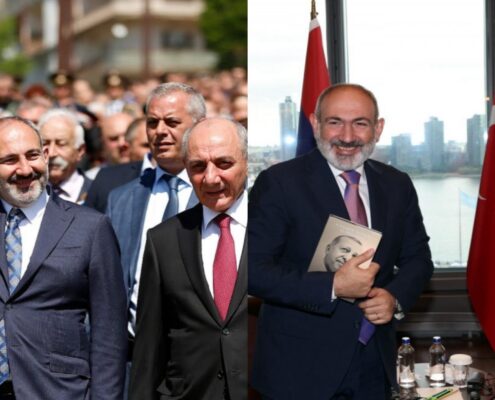 https://armtribunal.com/wp-content/uploads/2026/05/collage2photos1779958176453.jpg
1260
1782
admin
/wp-content/uploads/2025/03/logo_main.png
admin2026-05-28 11:49:102026-05-28 11:55:58КАК НИКОЛ ПАШИНЯН ШАГ ЗА ШАГОМ ЛИШАЛ АРМЕНИЮ ПЕРЕГОВОРНЫХ ПРЕИМУЩЕСТВ
https://armtribunal.com/wp-content/uploads/2026/05/collage2photos1779958176453.jpg
1260
1782
admin
/wp-content/uploads/2025/03/logo_main.png
admin2026-05-28 11:49:102026-05-28 11:55:58КАК НИКОЛ ПАШИНЯН ШАГ ЗА ШАГОМ ЛИШАЛ АРМЕНИЮ ПЕРЕГОВОРНЫХ ПРЕИМУЩЕСТВ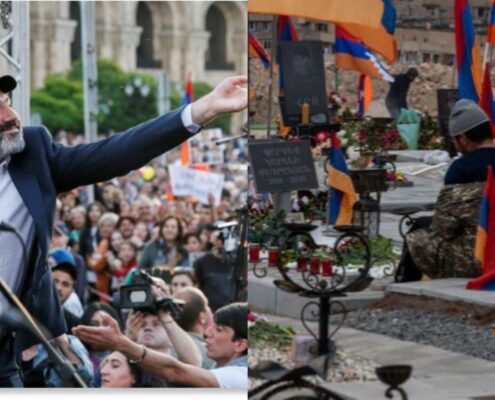 https://armtribunal.com/wp-content/uploads/2026/05/collage2photos1779952691536.jpg
1260
1782
admin
/wp-content/uploads/2025/03/logo_main.png
admin2026-05-28 10:21:122026-05-28 11:41:18ПРЕДАТЕЛЬСТВО, КОТОРОЕ ПРЕПОДНОСИЛОСЬ КАК «РЕВОЛЮЦИЯ»
https://armtribunal.com/wp-content/uploads/2026/05/collage2photos1779952691536.jpg
1260
1782
admin
/wp-content/uploads/2025/03/logo_main.png
admin2026-05-28 10:21:122026-05-28 11:41:18ПРЕДАТЕЛЬСТВО, КОТОРОЕ ПРЕПОДНОСИЛОСЬ КАК «РЕВОЛЮЦИЯ»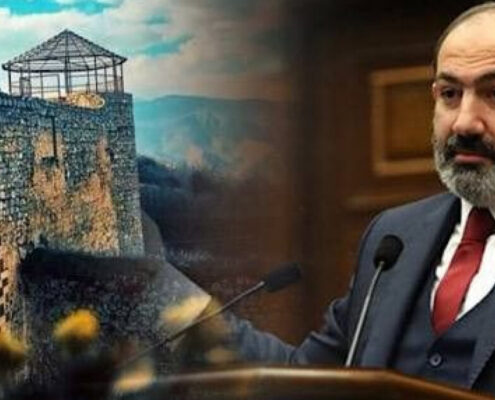 https://armtribunal.com/wp-content/uploads/2026/05/shushi-i-nikol-pashinjan.jpg
630
1200
admin
/wp-content/uploads/2025/03/logo_main.png
admin2026-05-16 12:15:162026-05-16 12:17:14Шуши был «несчастным» или брошенным и преданным?
https://armtribunal.com/wp-content/uploads/2026/05/shushi-i-nikol-pashinjan.jpg
630
1200
admin
/wp-content/uploads/2025/03/logo_main.png
admin2026-05-16 12:15:162026-05-16 12:17:14Шуши был «несчастным» или брошенным и преданным?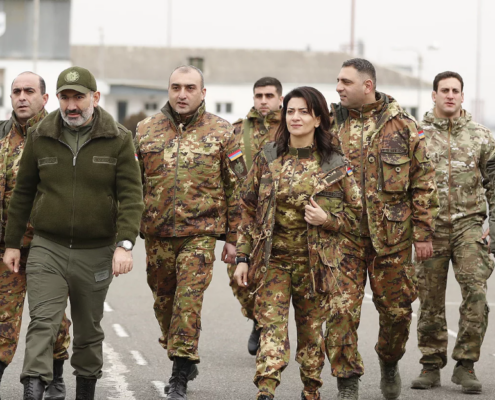 https://armtribunal.com/wp-content/uploads/2026/05/voenno-politicheskoe-rukovodstvo-armenii.png
623
1112
admin
/wp-content/uploads/2025/03/logo_main.png
admin2026-05-07 15:17:062026-05-07 15:24:03FROM STATE CHAOS TO STREET KILLINGS: THE BLOODY TRAIL OF PASHINYAN’S “MISSING WEAPONS”
https://armtribunal.com/wp-content/uploads/2026/05/voenno-politicheskoe-rukovodstvo-armenii.png
623
1112
admin
/wp-content/uploads/2025/03/logo_main.png
admin2026-05-07 15:17:062026-05-07 15:24:03FROM STATE CHAOS TO STREET KILLINGS: THE BLOODY TRAIL OF PASHINYAN’S “MISSING WEAPONS”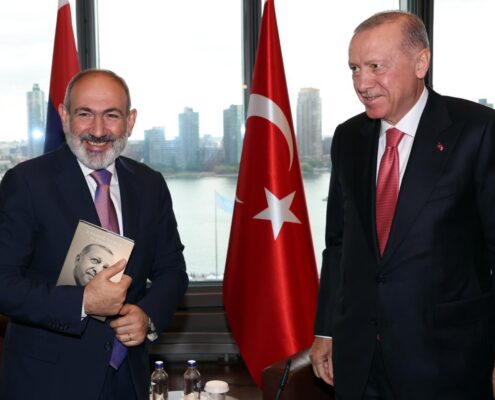 https://armtribunal.com/wp-content/uploads/2026/05/jerdogan-podaril-pashinjanu-knigu.jpg
836
1312
admin
/wp-content/uploads/2025/03/logo_main.png
admin2026-05-06 16:22:582026-05-06 17:04:58«ЭПОХА МИРА» НИКОЛА ПАШИНЯНА ПОД ТЕНЬЮ ТУРЕЦКОГО ЯТАГАНА
https://armtribunal.com/wp-content/uploads/2026/05/jerdogan-podaril-pashinjanu-knigu.jpg
836
1312
admin
/wp-content/uploads/2025/03/logo_main.png
admin2026-05-06 16:22:582026-05-06 17:04:58«ЭПОХА МИРА» НИКОЛА ПАШИНЯНА ПОД ТЕНЬЮ ТУРЕЦКОГО ЯТАГАНА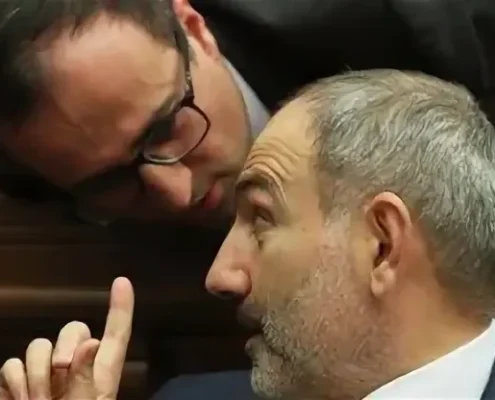 https://armtribunal.com/wp-content/uploads/2026/04/arsen-torosjan-i-nikol-pashinjan.webp
416
840
admin
/wp-content/uploads/2025/03/logo_main.png
admin2026-04-28 11:11:092026-04-28 11:11:09ВЛАСТЬ СВЯТОТАТСТВА И ПОСЛЕДНИЙ ЭКЗАМЕН НА НАЦИОНАЛЬНОЕ ДОСТОИНСТВО
https://armtribunal.com/wp-content/uploads/2026/04/arsen-torosjan-i-nikol-pashinjan.webp
416
840
admin
/wp-content/uploads/2025/03/logo_main.png
admin2026-04-28 11:11:092026-04-28 11:11:09ВЛАСТЬ СВЯТОТАТСТВА И ПОСЛЕДНИЙ ЭКЗАМЕН НА НАЦИОНАЛЬНОЕ ДОСТОИНСТВО