
 https://armtribunal.com/wp-content/uploads/2026/01/pashinjan-i-garegin-ii.jpg
720
1280
admin
/wp-content/uploads/2025/03/logo_main.png
admin2026-02-15 16:33:382026-02-15 17:44:40Charges Against the Catholicos: Authorities Are Crossing Red Lines
https://armtribunal.com/wp-content/uploads/2026/01/pashinjan-i-garegin-ii.jpg
720
1280
admin
/wp-content/uploads/2025/03/logo_main.png
admin2026-02-15 16:33:382026-02-15 17:44:40Charges Against the Catholicos: Authorities Are Crossing Red Lines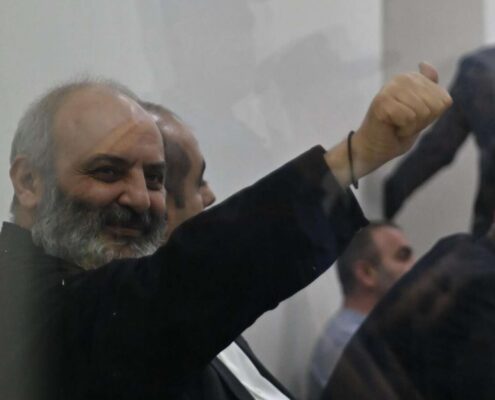 https://armtribunal.com/wp-content/uploads/2026/02/bagrat-srbazan.jpg
1167
2072
admin
/wp-content/uploads/2025/03/logo_main.png
admin2026-02-13 13:28:162026-02-13 13:39:51“The Person Who Ceded Artsakh Is Making Allegations Against Us” – Archbishop Bagrat Srbazan’s Speech in Court
https://armtribunal.com/wp-content/uploads/2026/02/bagrat-srbazan.jpg
1167
2072
admin
/wp-content/uploads/2025/03/logo_main.png
admin2026-02-13 13:28:162026-02-13 13:39:51“The Person Who Ceded Artsakh Is Making Allegations Against Us” – Archbishop Bagrat Srbazan’s Speech in Court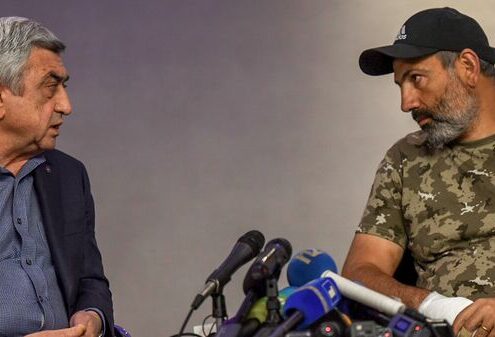 https://armtribunal.com/wp-content/uploads/2026/02/serzh-sargsjan-i-nikol-pashinjan.jpg
337
600
admin
/wp-content/uploads/2025/03/logo_main.png
admin2026-02-13 13:03:412026-02-13 20:10:07From Football Diplomacy to Corridors: Nikol Pashinyan’s Strategic Line Without Departing from Serzh Sargsyan’s Course
https://armtribunal.com/wp-content/uploads/2026/02/serzh-sargsjan-i-nikol-pashinjan.jpg
337
600
admin
/wp-content/uploads/2025/03/logo_main.png
admin2026-02-13 13:03:412026-02-13 20:10:07From Football Diplomacy to Corridors: Nikol Pashinyan’s Strategic Line Without Departing from Serzh Sargsyan’s Course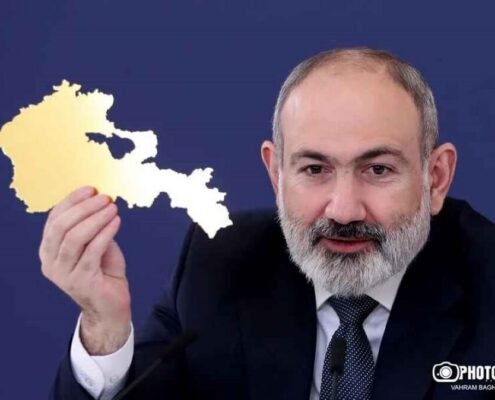 https://armtribunal.com/wp-content/uploads/2026/02/pashinjan-s-maketom-karty-armenii.jpg
674
1000
admin
/wp-content/uploads/2025/03/logo_main.png
admin2026-02-12 20:02:572026-02-12 20:02:57“Real Armenia” – A Project to Undermine the Nation and the State
https://armtribunal.com/wp-content/uploads/2026/02/pashinjan-s-maketom-karty-armenii.jpg
674
1000
admin
/wp-content/uploads/2025/03/logo_main.png
admin2026-02-12 20:02:572026-02-12 20:02:57“Real Armenia” – A Project to Undermine the Nation and the State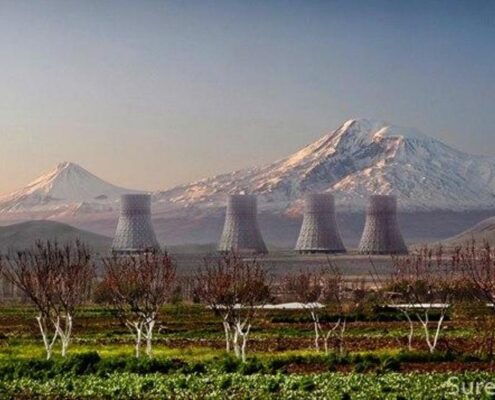 https://armtribunal.com/wp-content/uploads/2026/02/mecamorskij-ajes.jpg
550
800
admin
/wp-content/uploads/2025/03/logo_main.png
admin2026-02-12 12:01:012026-02-12 12:56:10Serzh Sargsyan Signed, Nikol Pashinyan Is Implementing: Who Undertook the Obligation to Shut Down the NPP?
https://armtribunal.com/wp-content/uploads/2026/02/mecamorskij-ajes.jpg
550
800
admin
/wp-content/uploads/2025/03/logo_main.png
admin2026-02-12 12:01:012026-02-12 12:56:10Serzh Sargsyan Signed, Nikol Pashinyan Is Implementing: Who Undertook the Obligation to Shut Down the NPP?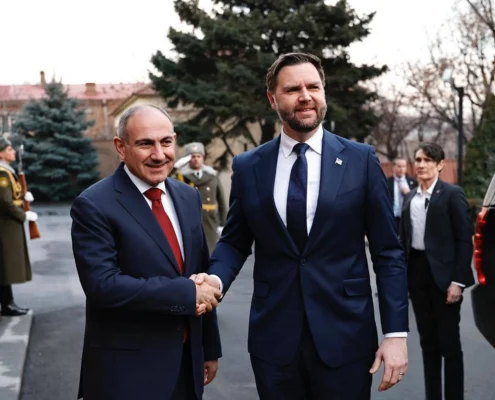 https://armtribunal.com/wp-content/uploads/2026/02/vstrecha-pashinjana-s-vjensom.webp
800
1200
admin
/wp-content/uploads/2025/03/logo_main.png
admin2026-02-11 10:58:122026-02-11 10:58:12Vance’s Visit, the Enthusiasm of Pro-Western Circles, and Armenia’s Strategic Realities
https://armtribunal.com/wp-content/uploads/2026/02/vstrecha-pashinjana-s-vjensom.webp
800
1200
admin
/wp-content/uploads/2025/03/logo_main.png
admin2026-02-11 10:58:122026-02-11 10:58:12Vance’s Visit, the Enthusiasm of Pro-Western Circles, and Armenia’s Strategic Realities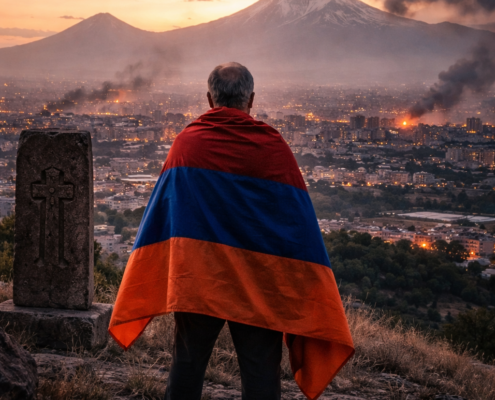 https://armtribunal.com/wp-content/uploads/2026/02/na-kraju-istorii.png
1536
1024
admin
/wp-content/uploads/2025/03/logo_main.png
admin2026-02-10 11:28:162026-02-10 12:04:13Armenia on the Threshold of History: To Be or Not to Be – the Nation’s Choice Between Dignity and Humility
https://armtribunal.com/wp-content/uploads/2026/02/na-kraju-istorii.png
1536
1024
admin
/wp-content/uploads/2025/03/logo_main.png
admin2026-02-10 11:28:162026-02-10 12:04:13Armenia on the Threshold of History: To Be or Not to Be – the Nation’s Choice Between Dignity and Humility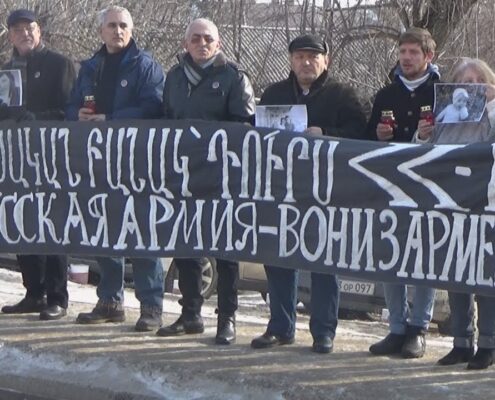 https://armtribunal.com/wp-content/uploads/2026/02/antirossijskaja-akcija.jpg
720
1280
admin
/wp-content/uploads/2025/03/logo_main.png
admin2026-02-10 07:47:482026-02-10 07:47:48Ideology of National Self-Deception, the Anti-Russian Agenda, and the Crisis of Armenian Statehood
https://armtribunal.com/wp-content/uploads/2026/02/antirossijskaja-akcija.jpg
720
1280
admin
/wp-content/uploads/2025/03/logo_main.png
admin2026-02-10 07:47:482026-02-10 07:47:48Ideology of National Self-Deception, the Anti-Russian Agenda, and the Crisis of Armenian Statehood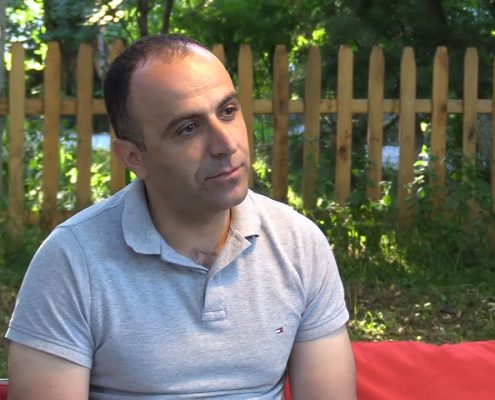 https://armtribunal.com/wp-content/uploads/2025/06/artur-ambarcumjan.jpg
720
1280
admin
/wp-content/uploads/2025/03/logo_main.png
admin2026-02-09 07:20:072026-02-09 07:22:59Artur Hambardzumyan on How Special Services Brought Pashinyan to Power
https://armtribunal.com/wp-content/uploads/2025/06/artur-ambarcumjan.jpg
720
1280
admin
/wp-content/uploads/2025/03/logo_main.png
admin2026-02-09 07:20:072026-02-09 07:22:59Artur Hambardzumyan on How Special Services Brought Pashinyan to Power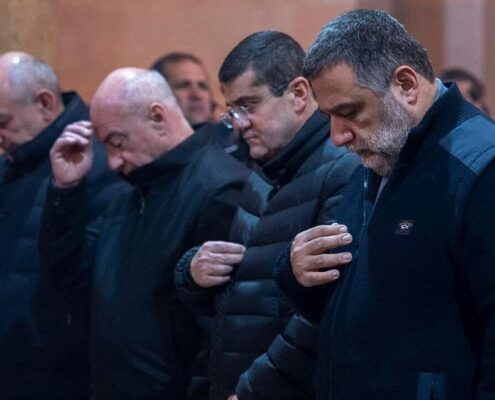 https://armtribunal.com/wp-content/uploads/2026/02/voenno-politicheskoe-rukovodstvo-arcaha.jpg
720
1280
admin
/wp-content/uploads/2025/03/logo_main.png
admin2026-02-06 16:44:282026-02-06 16:44:28Life Sentences: Baku’s Trial over Artsakh, Armenia, and the Dignity of the Armenian People
https://armtribunal.com/wp-content/uploads/2026/02/voenno-politicheskoe-rukovodstvo-arcaha.jpg
720
1280
admin
/wp-content/uploads/2025/03/logo_main.png
admin2026-02-06 16:44:282026-02-06 16:44:28Life Sentences: Baku’s Trial over Artsakh, Armenia, and the Dignity of the Armenian People