
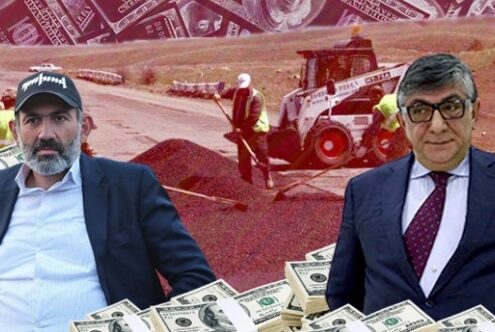
 https://armtribunal.com/wp-content/uploads/2026/01/pashinja-i-hachatur-sukiasjan.jpg
332
588
admin
/wp-content/uploads/2025/03/logo_main.png
admin2026-01-13 08:34:052026-01-13 08:34:05Under the Guise of Legality: The Systemic Fusion of Government and Corruption
https://armtribunal.com/wp-content/uploads/2026/01/pashinja-i-hachatur-sukiasjan.jpg
332
588
admin
/wp-content/uploads/2025/03/logo_main.png
admin2026-01-13 08:34:052026-01-13 08:34:05Under the Guise of Legality: The Systemic Fusion of Government and Corruption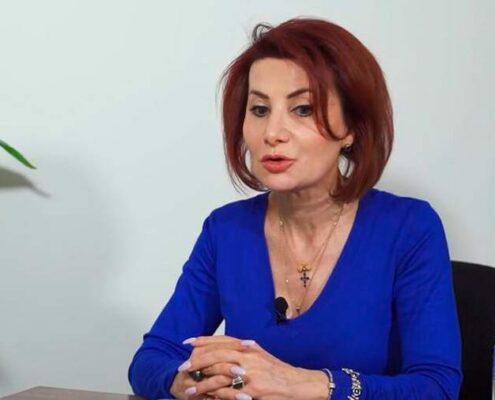 https://armtribunal.com/wp-content/uploads/2026/01/mina-hachatrjan.jpg
506
900
admin
/wp-content/uploads/2025/03/logo_main.png
admin2026-01-09 16:38:152026-01-09 16:38:15Mina Khachatryan: 20 Rhetorical Questions to Serzh Sargsyan
https://armtribunal.com/wp-content/uploads/2026/01/mina-hachatrjan.jpg
506
900
admin
/wp-content/uploads/2025/03/logo_main.png
admin2026-01-09 16:38:152026-01-09 16:38:15Mina Khachatryan: 20 Rhetorical Questions to Serzh Sargsyan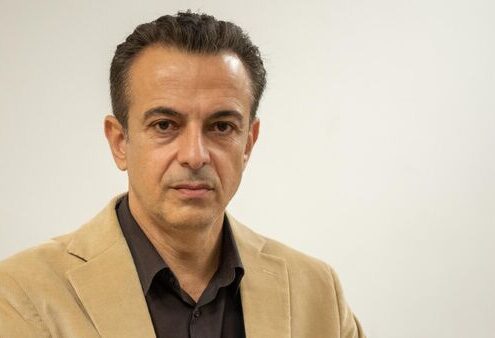 https://armtribunal.com/wp-content/uploads/2025/12/artur-hachikjan.jpg
338
600
admin
/wp-content/uploads/2025/03/logo_main.png
admin2025-12-30 12:18:142025-12-30 12:21:27Artur Khachikyan: Seven Years After the “Velvet Revolution” — A System of Corruption and Impunity
https://armtribunal.com/wp-content/uploads/2025/12/artur-hachikjan.jpg
338
600
admin
/wp-content/uploads/2025/03/logo_main.png
admin2025-12-30 12:18:142025-12-30 12:21:27Artur Khachikyan: Seven Years After the “Velvet Revolution” — A System of Corruption and Impunity https://armtribunal.com/wp-content/uploads/2025/12/mycollages-2.jpg
360
360
admin
/wp-content/uploads/2025/03/logo_main.png
admin2025-12-30 10:59:262026-01-12 07:47:17Boris Murazi: Soros’s Satellites, the NSS, and Sidestepped Questions
https://armtribunal.com/wp-content/uploads/2025/12/mycollages-2.jpg
360
360
admin
/wp-content/uploads/2025/03/logo_main.png
admin2025-12-30 10:59:262026-01-12 07:47:17Boris Murazi: Soros’s Satellites, the NSS, and Sidestepped Questions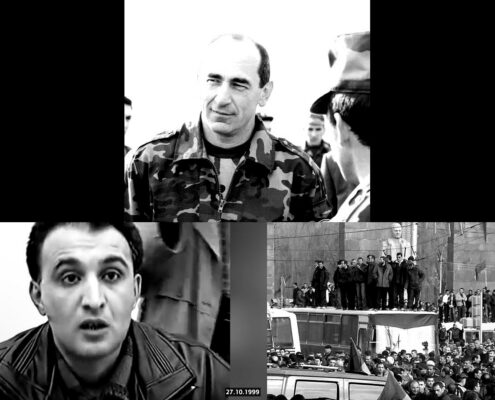 https://armtribunal.com/wp-content/uploads/2025/12/collage_vertical_dramatic.jpg
900
1332
admin
/wp-content/uploads/2025/03/logo_main.png
admin2025-12-30 08:46:052026-01-08 16:09:58How the Current Catastrophic Situation in Armenia Began: From Romanticized Independence to Systemic Vulnerability – Part 3. The Era of Robert Kocharyan (1998-2008). BETWEEN TWO TRAGEDIES: OCTOBER 27, 1999, AND MARCH 1, 2008 — ARMENIAN STATEHOOD UNDER THREAT
https://armtribunal.com/wp-content/uploads/2025/12/collage_vertical_dramatic.jpg
900
1332
admin
/wp-content/uploads/2025/03/logo_main.png
admin2025-12-30 08:46:052026-01-08 16:09:58How the Current Catastrophic Situation in Armenia Began: From Romanticized Independence to Systemic Vulnerability – Part 3. The Era of Robert Kocharyan (1998-2008). BETWEEN TWO TRAGEDIES: OCTOBER 27, 1999, AND MARCH 1, 2008 — ARMENIAN STATEHOOD UNDER THREAT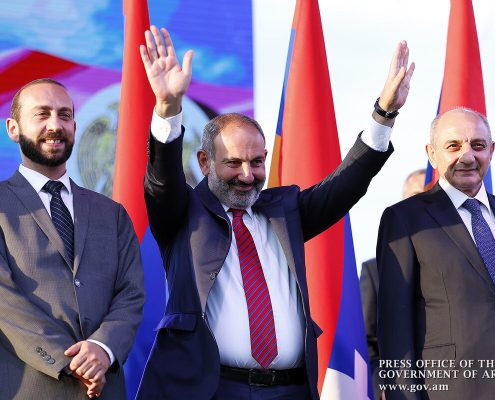 https://armtribunal.com/wp-content/uploads/2025/04/arcah-armenija.jpg
800
1200
admin
/wp-content/uploads/2025/03/logo_main.png
admin2025-12-26 13:46:342025-12-26 13:46:34How Karabakh Was Ceded: From Orchestrated Conflict to Diplomatic Dismantling
https://armtribunal.com/wp-content/uploads/2025/04/arcah-armenija.jpg
800
1200
admin
/wp-content/uploads/2025/03/logo_main.png
admin2025-12-26 13:46:342025-12-26 13:46:34How Karabakh Was Ceded: From Orchestrated Conflict to Diplomatic Dismantling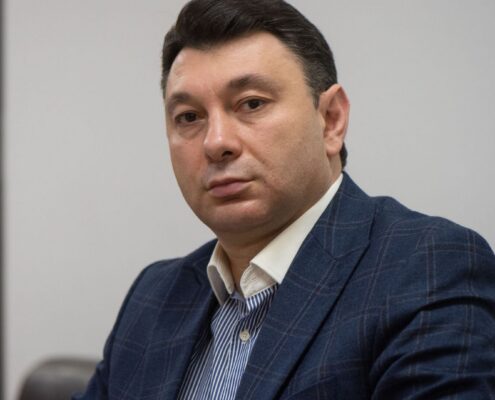 https://armtribunal.com/wp-content/uploads/2025/12/jeduarje-sharmazanov.jpg
1080
1920
admin
/wp-content/uploads/2025/03/logo_main.png
admin2025-12-24 14:31:302025-12-24 15:51:17Sharmazanov Is Lying About the RPA’s “Fight” to Conceal His Responsibility for Pashinyan
https://armtribunal.com/wp-content/uploads/2025/12/jeduarje-sharmazanov.jpg
1080
1920
admin
/wp-content/uploads/2025/03/logo_main.png
admin2025-12-24 14:31:302025-12-24 15:51:17Sharmazanov Is Lying About the RPA’s “Fight” to Conceal His Responsibility for Pashinyan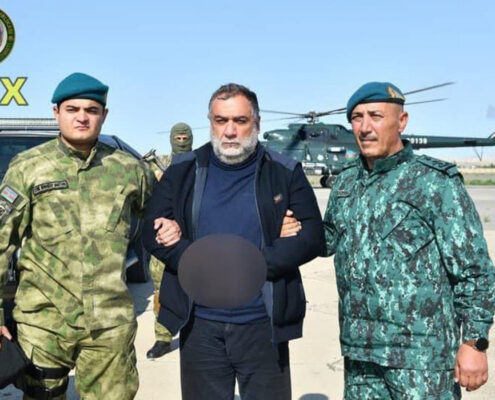 https://armtribunal.com/wp-content/uploads/2025/12/ruben-vardanjan-arestovan.jpg
700
1050
admin
/wp-content/uploads/2025/03/logo_main.png
admin2025-12-23 15:06:302025-12-23 15:37:18Documentary Without Documents: Azerbaijani Farce Around Ruben Vardanyan
https://armtribunal.com/wp-content/uploads/2025/12/ruben-vardanjan-arestovan.jpg
700
1050
admin
/wp-content/uploads/2025/03/logo_main.png
admin2025-12-23 15:06:302025-12-23 15:37:18Documentary Without Documents: Azerbaijani Farce Around Ruben Vardanyan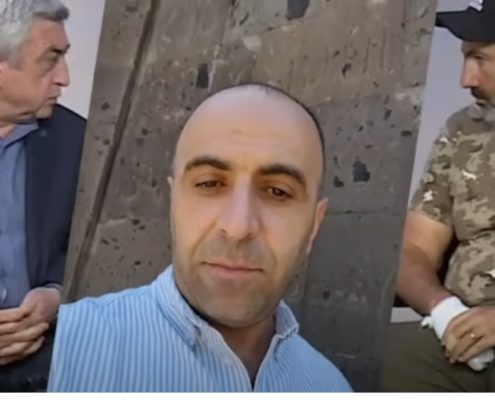 https://armtribunal.com/wp-content/uploads/2025/07/serzh-sargsjan_artur-ambarcumjan_-nikol-pashinjan.jpg
648
1224
admin
/wp-content/uploads/2025/03/logo_main.png
admin2025-12-23 10:04:572025-12-23 10:04:57Arthur Hambardzoumyan: Silence as a Key Factor in State Destruction
https://armtribunal.com/wp-content/uploads/2025/07/serzh-sargsjan_artur-ambarcumjan_-nikol-pashinjan.jpg
648
1224
admin
/wp-content/uploads/2025/03/logo_main.png
admin2025-12-23 10:04:572025-12-23 10:04:57Arthur Hambardzoumyan: Silence as a Key Factor in State Destruction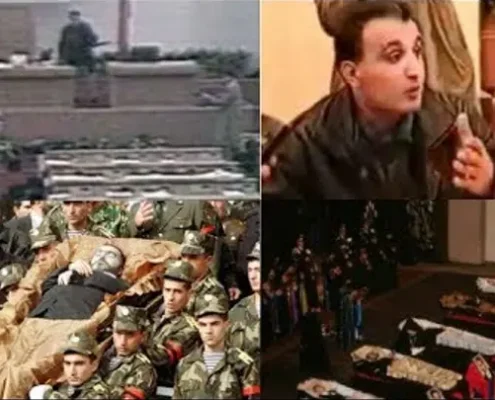 https://armtribunal.com/wp-content/uploads/2025/12/27-oktjabrja-1999.webp
405
720
admin
/wp-content/uploads/2025/03/logo_main.png
admin2025-12-22 14:44:282025-12-24 09:37:33How the Current Catastrophic Situation in Armenia Began: From Romanticized Independence to Systemic Vulnerability – Part 3. The Era of Robert Kocharyan (continuation)
https://armtribunal.com/wp-content/uploads/2025/12/27-oktjabrja-1999.webp
405
720
admin
/wp-content/uploads/2025/03/logo_main.png
admin2025-12-22 14:44:282025-12-24 09:37:33How the Current Catastrophic Situation in Armenia Began: From Romanticized Independence to Systemic Vulnerability – Part 3. The Era of Robert Kocharyan (continuation)