
 https://armtribunal.com/wp-content/uploads/2025/12/argishti-kivirjan.jpg
600
600
admin
/wp-content/uploads/2025/03/logo_main.png
admin2025-12-10 13:31:372025-12-10 13:36:51Argishti Kiviryan on the Government–Church Crisis in Armenia
https://armtribunal.com/wp-content/uploads/2025/12/argishti-kivirjan.jpg
600
600
admin
/wp-content/uploads/2025/03/logo_main.png
admin2025-12-10 13:31:372025-12-10 13:36:51Argishti Kiviryan on the Government–Church Crisis in Armenia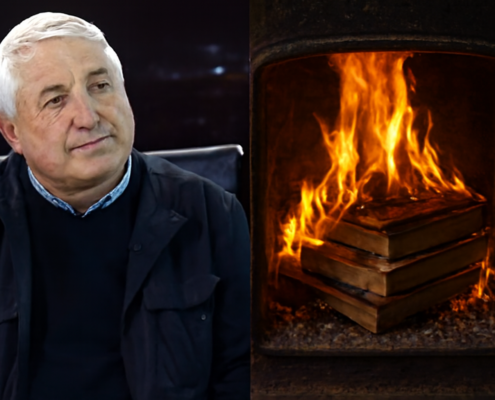 https://armtribunal.com/wp-content/uploads/2025/12/ashot-blejan-razrushil-sistemu-obrazovanija-1.png
1024
1536
admin
/wp-content/uploads/2025/03/logo_main.png
admin2025-12-10 10:20:302025-12-10 10:20:30How the Current Catastrophic Situation in Armenia Began: From Romanticized Independence to Systemic Vulnerability – Part 1: LEVON TER-PETROSYAN – THE ARCHITECT OF POST-SOVIET VULNERABILITY (continuation)
https://armtribunal.com/wp-content/uploads/2025/12/ashot-blejan-razrushil-sistemu-obrazovanija-1.png
1024
1536
admin
/wp-content/uploads/2025/03/logo_main.png
admin2025-12-10 10:20:302025-12-10 10:20:30How the Current Catastrophic Situation in Armenia Began: From Romanticized Independence to Systemic Vulnerability – Part 1: LEVON TER-PETROSYAN – THE ARCHITECT OF POST-SOVIET VULNERABILITY (continuation)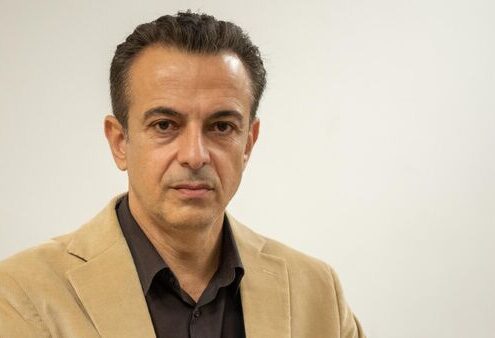 https://armtribunal.com/wp-content/uploads/2025/12/artur-hachikjan.jpg
338
600
admin
/wp-content/uploads/2025/03/logo_main.png
admin2025-12-10 09:35:242025-12-10 09:43:08Artur Khachikyan: “Armenia Is Rapidly Turning into a Second Karabakh”
https://armtribunal.com/wp-content/uploads/2025/12/artur-hachikjan.jpg
338
600
admin
/wp-content/uploads/2025/03/logo_main.png
admin2025-12-10 09:35:242025-12-10 09:43:08Artur Khachikyan: “Armenia Is Rapidly Turning into a Second Karabakh”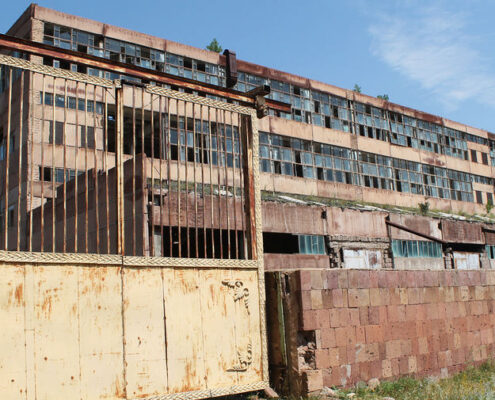 https://armtribunal.com/wp-content/uploads/2025/12/ostov-promyshlennogo-predprijatija-posle-raspada-sssr.jpg
505
895
admin
/wp-content/uploads/2025/03/logo_main.png
admin2025-12-09 10:21:132025-12-09 10:28:28How the Current Catastrophic Situation in Armenia Began: From Romanticized Independence to Systemic Vulnerability – Part 1: LEVON TER-PETROSYAN – THE ARCHITECT OF POST-SOVIET VULNERABILITY (continuation)
https://armtribunal.com/wp-content/uploads/2025/12/ostov-promyshlennogo-predprijatija-posle-raspada-sssr.jpg
505
895
admin
/wp-content/uploads/2025/03/logo_main.png
admin2025-12-09 10:21:132025-12-09 10:28:28How the Current Catastrophic Situation in Armenia Began: From Romanticized Independence to Systemic Vulnerability – Part 1: LEVON TER-PETROSYAN – THE ARCHITECT OF POST-SOVIET VULNERABILITY (continuation)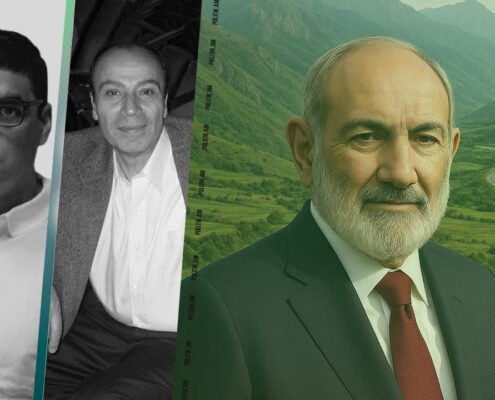 https://armtribunal.com/wp-content/uploads/2025/12/ara-arutjunjan-boris-murazi.jpg
720
1280
admin
/wp-content/uploads/2025/03/logo_main.png
admin2025-12-09 08:54:482025-12-09 09:37:17Ara Harutyunyan: The Crisis of Armenia’s State Symbols and Systemic Flaws in Its Thinking Model
https://armtribunal.com/wp-content/uploads/2025/12/ara-arutjunjan-boris-murazi.jpg
720
1280
admin
/wp-content/uploads/2025/03/logo_main.png
admin2025-12-09 08:54:482025-12-09 09:37:17Ara Harutyunyan: The Crisis of Armenia’s State Symbols and Systemic Flaws in Its Thinking Model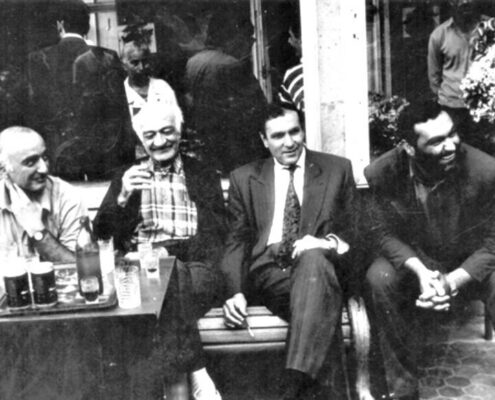 https://armtribunal.com/wp-content/uploads/2025/12/vano-siradegjan-s-levonom-ter-petrosjanom-i-vazgenom-sargsjanom.jpg
582
800
admin
/wp-content/uploads/2025/03/logo_main.png
admin2025-12-08 12:19:472025-12-08 12:20:56How the Current Catastrophic Situation in Armenia Began: From Romanticized Independence to Systemic Vulnerability – Part 1: LEVON TER-PETROSYAN – THE ARCHITECT OF POST-SOVIET VULNERABILITY (continuation)
https://armtribunal.com/wp-content/uploads/2025/12/vano-siradegjan-s-levonom-ter-petrosjanom-i-vazgenom-sargsjanom.jpg
582
800
admin
/wp-content/uploads/2025/03/logo_main.png
admin2025-12-08 12:19:472025-12-08 12:20:56How the Current Catastrophic Situation in Armenia Began: From Romanticized Independence to Systemic Vulnerability – Part 1: LEVON TER-PETROSYAN – THE ARCHITECT OF POST-SOVIET VULNERABILITY (continuation)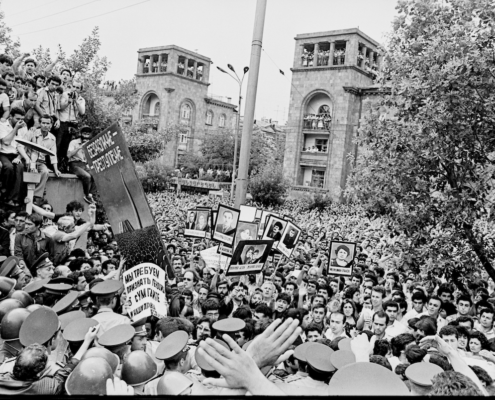 https://armtribunal.com/wp-content/uploads/2025/12/arhivnoe-foto-miting-v-erevane-1988-god.webp
804
1200
admin
/wp-content/uploads/2025/03/logo_main.png
admin2025-12-06 16:25:582025-12-08 08:10:03How the Current Catastrophic Situation in Armenia Began: From Romanticized Independence to Systemic Vulnerability – Part 1
https://armtribunal.com/wp-content/uploads/2025/12/arhivnoe-foto-miting-v-erevane-1988-god.webp
804
1200
admin
/wp-content/uploads/2025/03/logo_main.png
admin2025-12-06 16:25:582025-12-08 08:10:03How the Current Catastrophic Situation in Armenia Began: From Romanticized Independence to Systemic Vulnerability – Part 1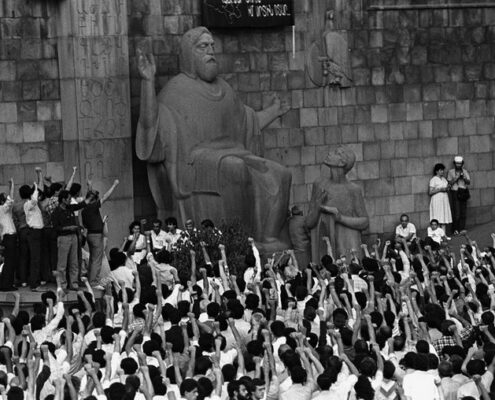 https://armtribunal.com/wp-content/uploads/2025/12/miting-pered-matenadaranom-1988-god.jpg
508
760
admin
/wp-content/uploads/2025/03/logo_main.png
admin2025-12-06 15:38:442025-12-06 15:38:44How the Current Catastrophic Situation in Armenia Began: From Romanticized Independence to Systemic Vulnerability
https://armtribunal.com/wp-content/uploads/2025/12/miting-pered-matenadaranom-1988-god.jpg
508
760
admin
/wp-content/uploads/2025/03/logo_main.png
admin2025-12-06 15:38:442025-12-06 15:38:44How the Current Catastrophic Situation in Armenia Began: From Romanticized Independence to Systemic Vulnerability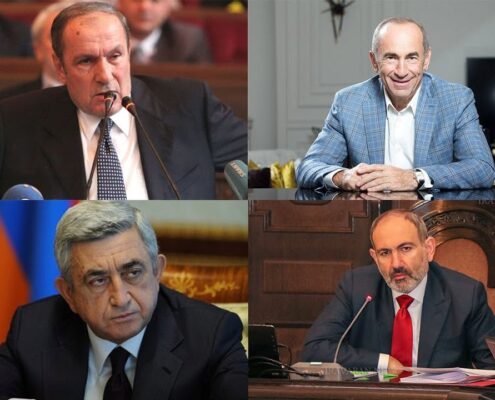 https://armtribunal.com/wp-content/uploads/2025/11/levon-ter-petrosjan_robert-kocharjan_serzh-sargsjan_nikol-pashinjan.jpg
720
1280
admin
/wp-content/uploads/2025/03/logo_main.png
admin2025-12-05 09:55:552025-12-08 08:04:11Secrets of the Archives: What Is Nikol Pashinyan Hiding?
https://armtribunal.com/wp-content/uploads/2025/11/levon-ter-petrosjan_robert-kocharjan_serzh-sargsjan_nikol-pashinjan.jpg
720
1280
admin
/wp-content/uploads/2025/03/logo_main.png
admin2025-12-05 09:55:552025-12-08 08:04:11Secrets of the Archives: What Is Nikol Pashinyan Hiding?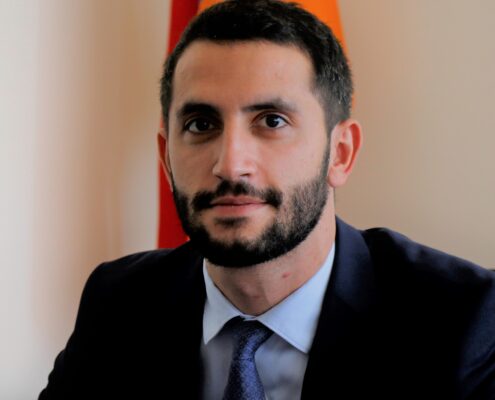 https://armtribunal.com/wp-content/uploads/2025/12/ruben-rubinjan_002-scaled.jpg
2560
2507
admin
/wp-content/uploads/2025/03/logo_main.png
admin2025-12-03 11:51:222025-12-03 11:51:22The Servants of Traitors: Part 3 – Ruben Rubinyan, a Turkish Agent?
https://armtribunal.com/wp-content/uploads/2025/12/ruben-rubinjan_002-scaled.jpg
2560
2507
admin
/wp-content/uploads/2025/03/logo_main.png
admin2025-12-03 11:51:222025-12-03 11:51:22The Servants of Traitors: Part 3 – Ruben Rubinyan, a Turkish Agent?