
Referendum Branded as “At the Authorities’ Discretion
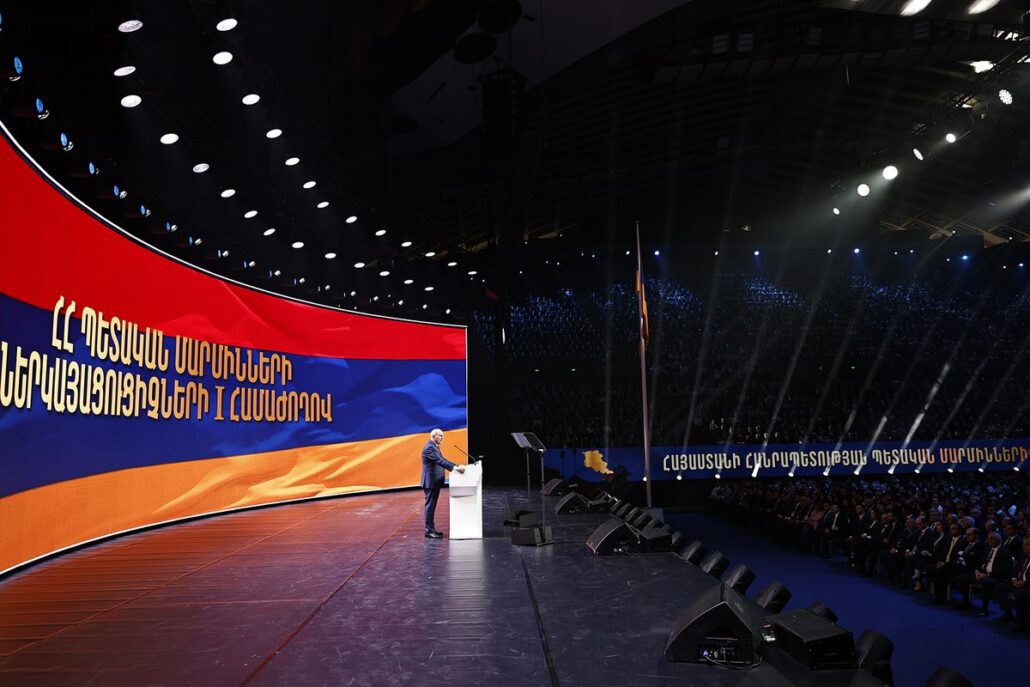
Nikol Pashinyan has outlined the contours of his new political game: a referendum on adopting a new Constitution is scheduled for 2027, or possibly even earlier, perhaps simultaneously with the 2026 parliamentary elections.
Formally, the reasoning appears impeccable: political forces need time to articulate their positions, and the final say should rest with those who secure the majority of votes. A textbook example of a democratic approach - at least on paper. In reality, however, it looks more like a carefully scripted scenario, with roles neatly distributed and “undesirable” actors steadily eased out of the process.
The key signal is the intention to remove the reference to the Independence Declaration from the Constitution. That document contains the provision on the necessity of Armenia’s reunification with Nagorno-Karabakh - a clause that has long complicated relations with Azerbaijan. Pashinyan insists the choice must be left to the people. Political forces, he says, should present arguments “for” and “against.” Convincing enough — if one overlooks the broader context.
The paradox is that the current regime, through its actions, undermines the very notion of a free debate about the country’s future. Only recently, speaking in the National Assembly, the prime minister called for preventing opposition forces led by Robert Kocharyan and Samvel Karapetyan from taking part in the upcoming elections.
Next thing you know, Armenian politics begins to resemble a closed club that requires an invitation to enter. The rules are simple: some may join, others may not. Kocharyan is not allowed in. Neither is Karapetyan. And to legitimize this kind of “screening,” the authorities rely on well-tested tactics - branding opponents as “KGB agents,” accusing them of “serving foreign powers,” and applying administrative pressure.
The declared Constitutional Reforms is followed by a now-familiar logic:
- First — clear the field. Then — conduct the procedure.
- Eliminate the key rivals under plausible pretexts.
- Shape the “right” composition of parliament in the elections.
- Hold a referendum with no real alternative - either in substance or in format.
In the end, the proclaimed “will of the people” becomes little more than a decorative wrapper for decisions made behind the scenes.
The central question remains unresolved: who, in this scheme, truly represents Armenia’s interests? The citizens invited to vote on a pre-written script, or the authorities who decide first who is allowed to take part in the discussion, and only then what the discussion is about?
Who empowered Nikol Pashinyan to decide on the people’s behalf who deserves to take part in elections and who does not? Democracy is not a privilege reserved for a “clubbish set.” If the public recognizes a political force - any political force - that is the key criterion of legitimacy. Not backstage arrangements, not a list of the “approved,” not the indignation of the sitting prime minister, but the genuine, live response of society.
It is obvious that every political force has its own ambitions. It is equally clear that the prime minister seeks to keep control of parliament and maintain power. And it is just as clear that Nikol Pashinyan appears ready to go to any lengths to avoid facing full political responsibility for grave failures and misdeeds against the state.
Բայց ո՞ւր են այստեղ Հայաստանի շահերը: Ո՞ւր է ժողովրդի ցանկությունները հաշվի առնելը: Ո՞ւր են այն ազգային նպատակները, որոնց համար, թվում է թե, գոյություն ունի Հայաստան պետությունը:
If Pashinyan were confident in his own authority, if he genuinely believed that the majority supports his political course, he would not need to rely on repression, intimidation, political pressure, and constant indignation.
These steps do not project strength; they reveal vulnerability. They suggest a leadership resorting to increasingly drastic measures when conventional democratic tools no longer suffice.
In 2018, Pashinyan rose to power under the banners of freedom, justice, and a clean break from the past. Today, not only does he repeat those same slogans, but he also appears to be making strenuous efforts to deflect responsibility for the failures and crises of his tenure. He insists that “everything has changed,” that “we are not the same,” and that all previous missteps should be attributed to former regimes.
Ultimately, all these maneuvers and political “cleansing” point to one conclusion: the current leadership no longer trusts its ability to prevail in a fair, competitive contest. The drive to retain power at any cost - sidelining influential rivals and relying on coercive methods - exposes a deep fear of the free expression of the people’s will.
Under the guise of democratic procedures, the authorities are staging a performance aimed at consolidating power. The aspiration to stand tête-à-tête with an “empty ballot paper” — without real opposition, without debate, and without any need to account for Armenia’s national interests — turns elections into a farce. True democracy demands openness and competition, yet the government’s actions appear to be steering the country toward an authoritarian model, where public opinion is displaced by personal ambition and fear of accountability.
And yet, despite the evident weakness and uncertainty of the current regime, one dangerous reality must not be overlooked: security and law-enforcement structures remain firmly under its control. Institutions meant to uphold legality and protect citizens are intertwined with the regime and complicit in its abuses.
This hazardous tandem - the authorities and their repressive apparatus - is doing everything possible to prevent any of Pashinyan’s rivals from winning the 2026 elections. All methods seem to be on the table: from falsification and misuse of administrative resources to direct pressure and intimidation.
This raises a fundamental, existential question: is the Armenian people, a nation with a centuries-old history, prepared to tolerate this? Is it willing to allow a former tabloid journalist, who by a tragic accident ascended to the prime minister’s post, to determine the country’s fate? Is society ready to stand aside while the regime undermines Armenian statehood and national values? The answers to these questions will determine Armenia’s future.