Golos Armenii: «STRENGTHENING» SOUVEREIGNTY
27.08.2025, Golos Armenia newspaper reports::
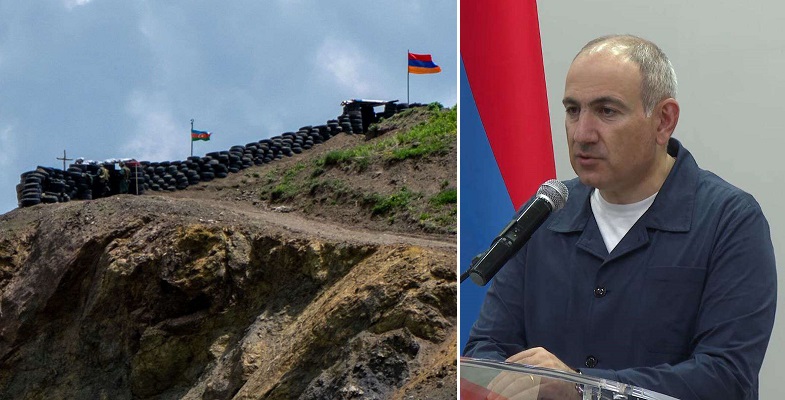
Claiming that ceding Artsakh to Azerbaijan has “strengthened” Armenia’s sovereignty goes beyond absurd. What kind of sovereignty is this, if the neighboring country’s dictator openly mocks the Armenian prime minister and dictates constitutional changes to us?
NOTHING LIKE THIS COULD HAVE HAPPENED UNDER ANY PREVIOUS GOVERNMENT IN INDEPENDENT ARMENIA. Back then, in the neighboring country, they couldn’t even speak of such changes, let alone dictate anything. That would have made them look ridiculous. Now, however, Azerbaijan’s preconditions for peace with Armenia, such as changes in our Basic Law, are being voiced de facto in the presence of the American president… The “triumph of sovereignty” exists only in Nikol Pashinyan’s head… a head, as he himself complains, warped by Soviet propaganda.
So warped that Pashinyan can declare that the ethnic cleansing of Artsakh has somehow led to “real” sovereignty in Armenia. This is the same Pashinyan who once came to power under slogans declaring unilateral concessions to Azerbaijan inadmissible. Yet the internet remembers everything, including Pashinyan’s fiery speech at a rally, where he passionately “exposed a plot” by Levon Ter-Petrosyan and Serzh Sargsyan, claiming they intended to make concessions to Baku and implement the so-called “Lavrov plan” behind the people’s backs. Back then, he swore he would never allow such humiliations… No comment.
The same Internet that remembers everything recalls that on July 24, 2025, just two weeks before signing the well-known documents in Washington, while Pashinyan was enjoying the nature of Altay, Civil Contract MP and chairman of the Parliament’s Foreign Relations Committee, Arman Yegoyan, declared: “We did not accept the U.S. proposal concerning the road, as we see a threat to our sovereignty in it.”
It would be only right if “the world’s most open government,” “the bastion of democracy,” found the courage to explain to the people why they rejected the U.S. proposal on July 24, and what exactly changed later, when Yerevan agreed to American control over Azerbaijan’s transit through Armenia’s territory.
It would be helpful if they explained - not in general terms, but specifically - which transit model the so-called “Overchuk Committee” proposed, which Yerevan rejected, even though implementing that proposal would have implied the deblockade of the Lachin corridor while preserving Armenian Artsakh.
In the absence of such specifics, experts are entitled to assume that discussions about “deblocking communications” and “economic benefits” may serve as a cover for steps favoring the Turkish-Azerbaijani geopolitical project, which aims to gradually transform Armenia from an independent country into a transit corridor for the Greater Turan.
As for Nikol Pashinyan, he is likely to receive assurances from the beneficiaries of this “corridor” that they will support his power by all means, as it is evident that a change in the ruling team could jeopardize the implementation of their project.