
Mina Khachatryan: 20 Rhetorical Questions to Serzh Sargsyan
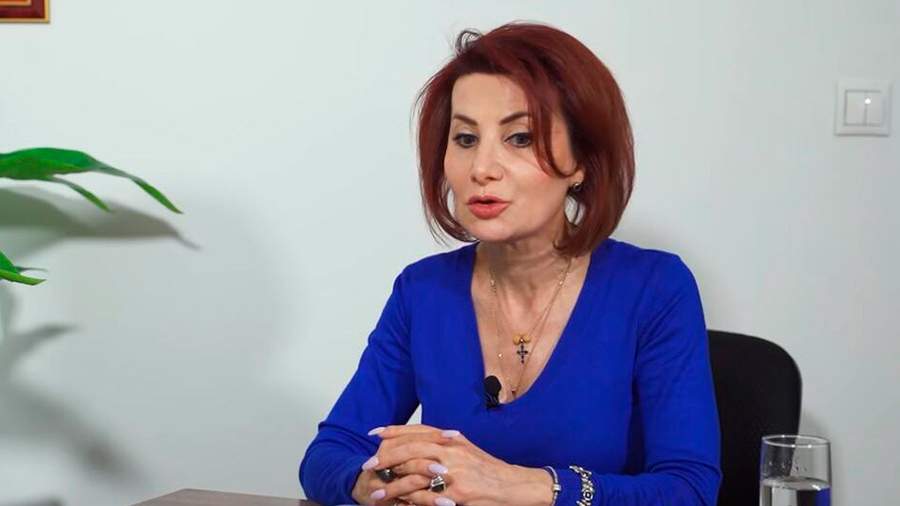
Mina Khachatryan has published 20 questions addressed to Serzh Sargsyan on her Telegram channel, “Mina-Z.”
- Why were constitutional changes initiated, transforming Armenia from a semi-presidential republic into a parliamentary one? It is evident that parliamentary governance in a country like Armenia is comparable to forcing a patient with pancreatic disease to run a marathon.
- What was the purpose of Serzh Sargsyan, while serving as prime minister, inviting Armen Sargsyan — a British citizen who had disgracefully fled Armenia in 1997 — to return to the country? According to circulating rumors, Sargsyan was an agent of British intelligence services.
- What was the purpose of releasing Nikol Pashinyan from prison — an opposition journalist and notorious slanderer who organized the mass unrest of March 1, 2008 — and introducing him into high-level politics on the basis of a residence registration, despite the fact that he had two convictions and therefore could not qualify for amnesty?
- Why was Nikol Pashinyan’s march from Gyumri to Yerevan not stopped, even though this coup-d’état scenario was already known as early as March 1, 2013, and was publicly mentioned by Levon Ter-Petrosyan?
- Why was a shipment of 10,000 smartphones with pre-installed software — delivered from the U.S. Embassy and distributed to leaders of the protest movement’s network — not confiscated? The special services reportedly informed Serzh Sargsyan about this.
- Why were individuals who had contacts with Azerbaijani special services through Georgia not arrested? Why was the sum of 48 million dollars, allegedly brought into the country via Georgia, not seized?
- How did a group of opposition activists led by Nikol manage to enter the heavily guarded Radio House building and destroy everything in their path?
- Why was Serzh Sargsyan’s candidacy for the position of “super–prime minister” approved on April 16, despite mass protests and the clear understanding that this decision would only pour oil on the flames?
- Why was the crowd not dispersed by police forces while it was still possible to do so?
- Why was no alternative candidate for prime minister nominated on May 8, and why did 11 Republican Party deputies vote in favor of Nikol Pashinyan?
- Why, on October 2, 2018, when the parliament building was blocked, did members of parliament vote in favor of Nikol Pashinyan’s so-called technical resignation, thereby dissolving parliament and leading the country to snap elections?
- How is it possible that a party claiming 150,000 members failed to collect even 65,000 votes and did not pass the parliamentary threshold in 2018, while ensuring the ruling “My Step” alliance 88 seats (two-thirds of parliament) and absolute power?
- How did the “Reject Serzh” protests turn into an unprecedented campaign against Armenia’s second president, Robert Kocharyan?
- Why were myths and legends about Armenia’s second president so widely disseminated between 2008 and 2020, and why do they continue to circulate to this day?
- Why have the people heard no clear commentary on the country’s political situation for almost three years? Why was compromising material on Nikol Pashinyan not made public?
- How did a certain Argishti Kyaramyan emerge and rise within the system?
- Why did Kutoyan “shoot himself”?
- Why was the Constitutional Court’s ruling not published in the summer of 2021, while Serzh Sargsyan publicly recognized Nikol Pashinyan as the winner in his interview with the BBC?
- What kind of “compromising material” did Serzh Sargsyan publish on June 9, 2021, after which Nikol Pashinyan’s approval rating increased by another three points?
- In what was Nikol right, and in what was Serzh Sargsyan wrong?
The Public Tribunal fully aligns itself with the questions raised and considers them legitimate, well-founded, and deserving of public discussion. Silence, evasive formulas, and post-factum justifications are no longer acceptable. This is not about the personal fates of individual politicians; it is about the fate of the country, and the price society has paid and continues to pay for a chain of decisions made and decisions deliberately avoided.
We proceed from the following assumptions:
- A change in the constitutional order, the transformation of elites, and a street revolution cannot be the result of mere “mistakes” or “naivety.”
- Systemic non-interference by security and political institutions at critical moments must be explained at the level of responsibility of the country’s top leadership.
- The legitimization of authorities long before the legal registration of their victory calls into question the very logic of political struggle and “defeat.”
The Public Tribunal states:
Without answers to the above questions, no national reconciliation, no restoration of trust, and no building of the future is possible. The period of 2013–2021 is not a closed chapter; it is an unfinished investigation.