
Pashinyan Targets One of the Foundational Pillars of Armenian History
10.06.2025, Vzglyad Business Newspaper
«Գլխավոր մաֆիոզ», «գլխավոր մանկապիղծներ»՝ այս բոլոր կեղտոտ մակդիրներն ու վիրավորանքներն են հիմա լսվում ՀՀ վարչապետ Նիկոլ Փաշինյանի ընտանիքի ներկայացուցիչների և անձամբ իր շուրթերից՝ ուղղված Հայ Առաքելական Եկեղեցու բարձրագույն հոգևորականությանը: Փաշինյանը պահանջում է տապալել գործող կաթողիկոսին և ընտրել նորին: Մենք բախվում ենք հայոց պատմության մեջ աննախադեպ սկանդալի: Ինչպե՞ս է դա առաջացել և ի՞նչի է փորձում հասնել Փաշինյանը։
Armenian Prime Minister Nikol Pashinyan has called for the replacement of the head of the Armenian Apostolic Church. According to him, Catholicos Karekin II has fathered a child, despite his vow of celibacy.
Pashinyan emphasized that, under the codex of the Armenian Apostolic Church, Karekin II was not eligible to be elected as bishop, archbishop, or Catholicos. He stressed the need to choose a new religious leader whose conduct would be thoroughly scrutinized before the election. The prime minister called for “unity with love, in a Christian spirit, around the agenda of liberating the Mother See and electing a truly holy leader as the Catholicos of All Armenians.”
The following day, Pashinyan announced the creation of a coordinating group tasked with organizing the re-election of the Armenian Apostolic Church’s leader. He outlined his “criteria” for selecting members of this group: candidates must have read the Bible at least once, pray daily, have fasted during Great Lent “at least once in the past five years,” and believe in Jesus Christ. The prime minister added that he would personally choose ten members and that applications should be submitted via his email.
This bizarre method of collecting applications by email is explained by one simple fact: the prime minister has no legitimate authority to influence the internal affairs of the Armenian Apostolic Church. Thus, a performance of so-called public support will be staged, possibly followed by the artificial creation of a “grassroots movement” demanding the resignation of Catholicos Karekin II.
Pashinyan’s announcement is both scandalous and unprecedented. It marks the first time in modern Armenian history that the head of a secular government has openly demanded the resignation of the Church’s supreme leader. Even in neighboring Georgia, where tensions once ran high between President Saakashvili and Patriarch Ilia II, such direct public insults - let alone calls for resignation - were never voiced.
It is difficult to even imagine the technical execution of such a move, as it not only violates the fundamental principle of separation between church and state, but also undermines the very foundations of the Armenian Apostolic Church.
The fact is, Armenia is one of the few countries in Europe where the Christian Church plays a role far beyond that of a religious institution. The status of the Armenian Apostolic Church within Armenian society is comparable to that of the Greek Orthodox Church in Greece (which is not separated from the state) or the Serbian Orthodox Church in Serbia. These are not merely religious structures or centers of spiritual guidance; they are powerful moral and cultural institutions, deeply embedded in national identity, and significant political forces capable of influencing public life and national direction.
In this context, it is not entirely unfounded that Pashinyan once referred to the Armenian Church as “an agent of influence.” Indeed, the Church holds significant sway in Armenia.
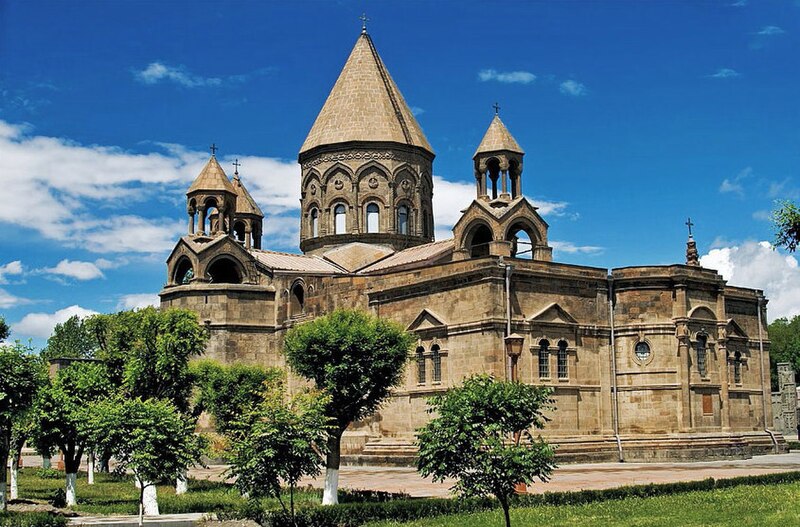
This influence is rooted in history and shaped by the tragic fates of the Armenians, Greeks, and Serbs - nations for whom Christianity and the Church became the cornerstone of survival and the preservation of national identity. In this regard, the Armenian Apostolic Church is inseparable from the Armenian people and their collective self-awareness, which in turn affects the balance of power in the country. It is important to note, however, that despite its prominent role in society, Etchmiadzin - the spiritual center of the Armenian Apostolic Church - has never abused its influence over the Armenian public.
Pashinyan’s efforts to radically reshape Armenia and redefine the Armenian identity - through constitutional changes, altering national symbols, severing ties with Russia, and abandoning traditional foreign policy approaches - are in full swing. Yet, despite widespread public discontent with Prime Minister Pashinyan, there is no organized political force capable of effectively challenging his agenda. The National Conservative Alliance “I Have Honor,” which is affiliated with former Prime Minister and President Serzh Sargsyan, has failed to assume the role of a true opposition force.
In this context, until recently, the Armenian Apostolic Church remained the only force capable of uniting the Armenian people around conservative values. While Catholicos Karekin II has never directly opposed Pashinyan, he has preferred to speak in indirect, spiritual terms, as is fitting for a religious leader.
In response, Nikol Pashinyan and his wife, Anna Hakobyan, launched a wave of coarse and insulting rhetoric against the Armenian Apostolic Church, the Catholicos, and several bishops -often in their absence and primarily via social media. For example, on May 29, during a government session, Pashinyan claimed that Armenian churches looked like “closets filled with junk.” The following day, he posted a statement on social media laced with offensive language targeting AAC clergy, going so far as to accuse an archbishop of sexual misconduct. The prime minister demanded that all clergymen who had violated their vow of celibacy be officially defrocked.
The prime minister’s wife, Anna Hakobyan, echoed the verbal assaults, referring to the Catholicos as “the key mafioso” and labeling those who criticized Pashinyan’s “closets” comment as “the country’s top pedophiles.”
Amid the escalating scandal, the prime minister proposed changing the procedure for electing the leader of the Armenian Apostolic Church, granting the state a decisive vote and subjecting candidates to an “ethical screening.” This proposal is fundamentally incompatible with the principle of separation between church and state. Given Armenia’s unique historical context and deeply rooted religious identity, it is inconceivable for the country to adopt a Scandinavian-style model, where Protestant pastors function as de facto civil servants and are paid from the state budget.
Last year, the opposition was prepared to nominate Tavush Archbishop Bagrat Galstanyan for the post of prime minister. This was prompted by mass protests that erupted following the launch of the border delimitation process with Azerbaijan, particularly along the tense northern section in Tavush. Archbishop Galstanyan spearheaded the “Tavush for the Motherland” movement, which not only mobilized widespread demonstrations along the border but also led a march to Yerevan, though it ultimately produced no tangible results.
In response, Pashinyan’s government launched an unprecedented smear campaign against the Archbishop of Tavush. It was likely during this period that Pashinyan resolved to go beyond discrediting individuals and move toward “reforming Armenia” by reducing the Armenian Apostolic Church to the status of a government department.
At the same time, it is impossible to overlook the prominence Pashinyan assigns to alternative religious denominations in Armenia, most notably, the Armenian Catholic Church, utilizing the Armenian Rite, and various Protestant unions. Notably, Pashinyan’s verbal attacks on the Catholicos coincided with the international conference titled “Religious Freedom: Preserving the Armenian Spiritual, Cultural, and Historical Heritage in Nagorno-Karabakh,” held in Switzerland. The event concluded with a final statement calling for coordinated international efforts to safeguard Armenia’s religious and cultural heritage, protect the rights of its people, and ensure the security of the Armenian nation.
A key nuance is that the conference in Switzerland was co-organized with the Swiss Protestant Church in Bern. Pashinyan clearly counted on support from Protestant churches in Armenia to bolster his campaign against the Armenian Apostolic Church. That backing, however, never materialized.
Nikol Pashinyan is relying on a classic tactic of blackmail. For months, he and his wife have been threatening Catholicos Karekin II with “exposure,” yet no one has seen the alleged “child.” Still, the threats persist.
“Karekin II violated his vow of celibacy and has a child. That is a fact. If Karekin II attempts to deny it, I will present the necessary proof,” Pashinyan declared. “Under the Canon Law of the Armenian Apostolic Church, Karekin II was not eligible to become bishop, archbishop, or Catholicos. Ktrich Nersisyan [the secular name of the Catholicos – Vzglyad] must step down.”
But what exactly does “necessary proof” mean in this context? Are we talking about a DNA test? Photographs from a private investigator? Secret surveillance? The entire situation has taken an undeniably ugly turn.
In response, the Supreme Spiritual Council of the Armenian Apostolic Church convened in Etchmiadzin, denouncing Pashinyan’s remarks as part of a “shameful anti-Church campaign.” The Council warned that the prime minister’s anti-Church rhetoric and the broader assault on national values would have destructive consequences.
It is now clear that the campaign against the Catholicos and the Armenian Apostolic Church has become another front in Pashinyan’s broader struggle to consolidate power and radically reshape Armenia. What began as blackmail and threats has escalated into a full-blown political and spiritual confrontation.
At this stage, it is too late for Pashinyan to quietly walk back his and his wife’s statements against Catholicos Karekin II and the Church. And it is equally unlikely that the Mother See of Holy Etchmiadzin will retreat without resistance.
Karekin II is the first Catholicos of All Armenians since Nerses V (who served in the first half of the 19th century) to be born in the territory of present-day Armenia. Prior to him, Catholicoi hailed from regions such as Inner Russia (Nakhichevan-on-Don near Rostov), Tiflis, Romania, and Syria. This gives Karekin II a natural connection to the Armenian people, garnering him broad support both within Armenia and across the Diaspora. Moreover, at 73 years old (born in 1951), he is not yet of an age to be easily pressured or intimidated by the secular authorities.
Pashinyan is setting a dangerous precedent - not only by interfering in the internal affairs of the Church, but by attempting to bring it under the control of a secular government in a country where the Church is far more than just a religious institution. The potential consequences of this move could prove far more serious for Armenia than the proposed changes to the Constitution or even the state emblem.