
 https://armtribunal.com/wp-content/uploads/2025/12/27-oktjabrja-1999.webp
405
720
admin
/wp-content/uploads/2025/03/logo_main.png
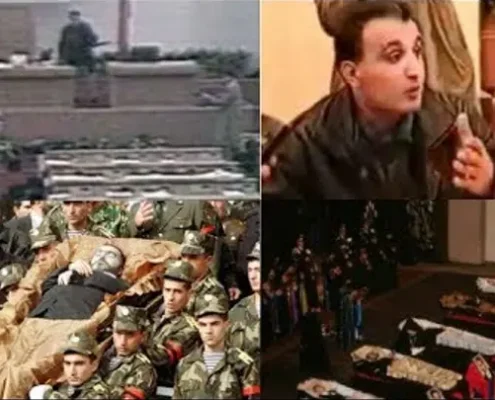
admin2025-12-22 14:44:282025-12-24 09:37:33How the Current Catastrophic Situation in Armenia Began: From Romanticized Independence to Systemic Vulnerability – Part 3. The Era of Robert Kocharyan (continuation)
https://armtribunal.com/wp-content/uploads/2025/12/27-oktjabrja-1999.webp
405
720
admin
/wp-content/uploads/2025/03/logo_main.png
admin2025-12-22 14:44:282025-12-24 09:37:33How the Current Catastrophic Situation in Armenia Began: From Romanticized Independence to Systemic Vulnerability – Part 3. The Era of Robert Kocharyan (continuation)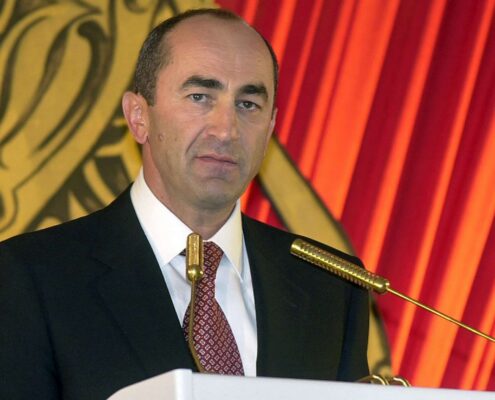 https://armtribunal.com/wp-content/uploads/2025/12/robert-kocharjan-vtoroj-prezident-armenii.jpg
1169
2072
admin
/wp-content/uploads/2025/03/logo_main.png
admin2025-12-20 13:20:532025-12-22 08:27:05How the Current Catastrophic Situation in Armenia Began: From Romanticized Independence to Systemic Vulnerability – Part 3. The Era Robert Kocharyan (1998-2008)
https://armtribunal.com/wp-content/uploads/2025/12/robert-kocharjan-vtoroj-prezident-armenii.jpg
1169
2072
admin
/wp-content/uploads/2025/03/logo_main.png
admin2025-12-20 13:20:532025-12-22 08:27:05How the Current Catastrophic Situation in Armenia Began: From Romanticized Independence to Systemic Vulnerability – Part 3. The Era Robert Kocharyan (1998-2008)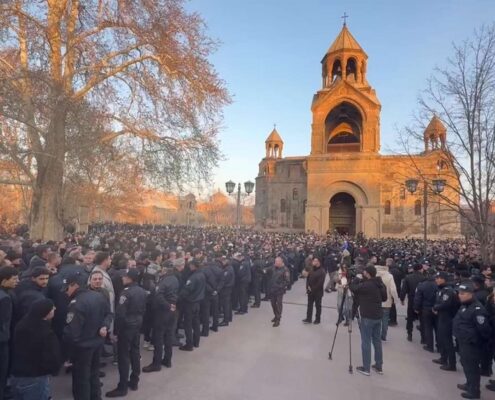 https://armtribunal.com/wp-content/uploads/2025/12/pervoprestolnyj-jechmiadzin-18-dekabrja-2025-goda.jpg
1165
2072
admin
/wp-content/uploads/2025/03/logo_main.png
admin2025-12-19 14:48:502025-12-20 12:45:49The Last National Institution Under Threat: A Crisis of Unity
https://armtribunal.com/wp-content/uploads/2025/12/pervoprestolnyj-jechmiadzin-18-dekabrja-2025-goda.jpg
1165
2072
admin
/wp-content/uploads/2025/03/logo_main.png
admin2025-12-19 14:48:502025-12-20 12:45:49The Last National Institution Under Threat: A Crisis of Unity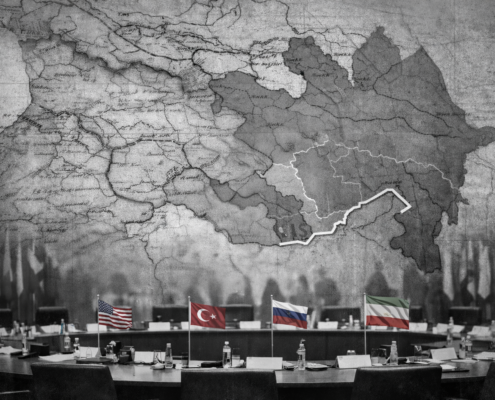 https://armtribunal.com/wp-content/uploads/2025/12/reshenija-prinimajutsja-za-kulisami.png
1024
1536
admin
/wp-content/uploads/2025/03/logo_main.png
admin2025-12-18 12:25:112025-12-18 12:25:11How the Current Catastrophic Situation in Armenia Began: From Romanticized Independence to Systemic Vulnerability – Part 2 (continuation)
https://armtribunal.com/wp-content/uploads/2025/12/reshenija-prinimajutsja-za-kulisami.png
1024
1536
admin
/wp-content/uploads/2025/03/logo_main.png
admin2025-12-18 12:25:112025-12-18 12:25:11How the Current Catastrophic Situation in Armenia Began: From Romanticized Independence to Systemic Vulnerability – Part 2 (continuation)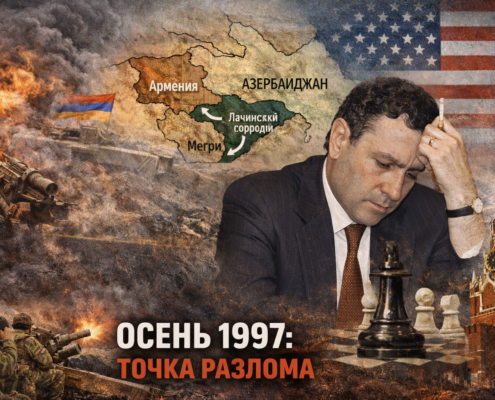 https://armtribunal.com/wp-content/uploads/2025/12/ter-petrosjan-za-shahmatnoj-doskoj.png
1024
1536
admin
/wp-content/uploads/2025/03/logo_main.png
admin2025-12-17 12:40:162025-12-17 12:40:16How the Current Catastrophic Situation in Armenia Began: From Romanticized Independence to Systemic Vulnerability – Part 2. GOBLE PLAN: A GEOPOLITICAL TRAP SET IN 1997
https://armtribunal.com/wp-content/uploads/2025/12/ter-petrosjan-za-shahmatnoj-doskoj.png
1024
1536
admin
/wp-content/uploads/2025/03/logo_main.png
admin2025-12-17 12:40:162025-12-17 12:40:16How the Current Catastrophic Situation in Armenia Began: From Romanticized Independence to Systemic Vulnerability – Part 2. GOBLE PLAN: A GEOPOLITICAL TRAP SET IN 1997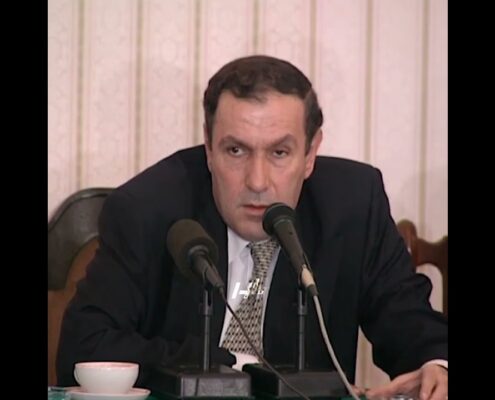 https://armtribunal.com/wp-content/uploads/2025/12/levon-ter-petrosjan-otstavka.jpg
720
1280
admin
/wp-content/uploads/2025/03/logo_main.png
admin2025-12-15 08:50:062025-12-15 08:50:06How the Current Catastrophic Situation in Armenia Began: From Romanticized Independence to Systemic Vulnerability – Part 1: LEVON TER-PETROSYAN – THE ARCHITECT OF POST-SOVIET VULNERABILITY (continuation)
https://armtribunal.com/wp-content/uploads/2025/12/levon-ter-petrosjan-otstavka.jpg
720
1280
admin
/wp-content/uploads/2025/03/logo_main.png
admin2025-12-15 08:50:062025-12-15 08:50:06How the Current Catastrophic Situation in Armenia Began: From Romanticized Independence to Systemic Vulnerability – Part 1: LEVON TER-PETROSYAN – THE ARCHITECT OF POST-SOVIET VULNERABILITY (continuation)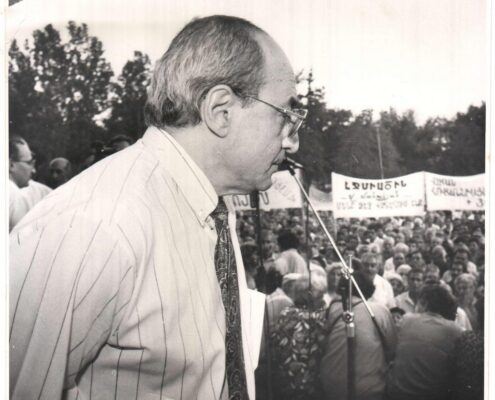 https://armtribunal.com/wp-content/uploads/2025/12/vazgen-manukjan-vo-vremja-vyborov-1996-goda.jpg
874
1024
admin
/wp-content/uploads/2025/03/logo_main.png
admin2025-12-12 13:15:112025-12-12 13:15:11How the Current Catastrophic Situation in Armenia Began: From Romanticized Independence to Systemic Vulnerability – Part 1: LEVON TER-PETROSYAN – THE ARCHITECT OF POST-SOVIET VULNERABILITY (continuation)
https://armtribunal.com/wp-content/uploads/2025/12/vazgen-manukjan-vo-vremja-vyborov-1996-goda.jpg
874
1024
admin
/wp-content/uploads/2025/03/logo_main.png
admin2025-12-12 13:15:112025-12-12 13:15:11How the Current Catastrophic Situation in Armenia Began: From Romanticized Independence to Systemic Vulnerability – Part 1: LEVON TER-PETROSYAN – THE ARCHITECT OF POST-SOVIET VULNERABILITY (continuation) https://armtribunal.com/wp-content/uploads/2025/12/argishti-kivirjan.jpg
600
600
admin
/wp-content/uploads/2025/03/logo_main.png
admin2025-12-10 13:31:372025-12-10 13:36:51Argishti Kiviryan on the Government–Church Crisis in Armenia
https://armtribunal.com/wp-content/uploads/2025/12/argishti-kivirjan.jpg
600
600
admin
/wp-content/uploads/2025/03/logo_main.png
admin2025-12-10 13:31:372025-12-10 13:36:51Argishti Kiviryan on the Government–Church Crisis in Armenia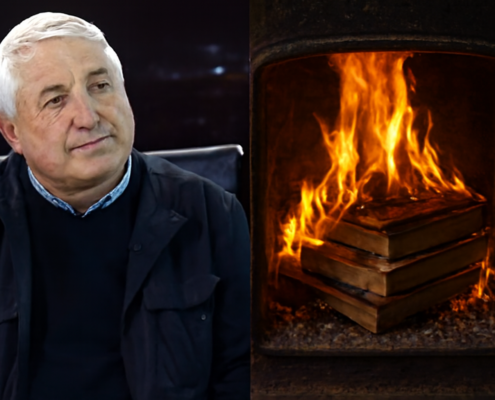 https://armtribunal.com/wp-content/uploads/2025/12/ashot-blejan-razrushil-sistemu-obrazovanija-1.png
1024
1536
admin
/wp-content/uploads/2025/03/logo_main.png
admin2025-12-10 10:20:302025-12-10 10:20:30How the Current Catastrophic Situation in Armenia Began: From Romanticized Independence to Systemic Vulnerability – Part 1: LEVON TER-PETROSYAN – THE ARCHITECT OF POST-SOVIET VULNERABILITY (continuation)
https://armtribunal.com/wp-content/uploads/2025/12/ashot-blejan-razrushil-sistemu-obrazovanija-1.png
1024
1536
admin
/wp-content/uploads/2025/03/logo_main.png
admin2025-12-10 10:20:302025-12-10 10:20:30How the Current Catastrophic Situation in Armenia Began: From Romanticized Independence to Systemic Vulnerability – Part 1: LEVON TER-PETROSYAN – THE ARCHITECT OF POST-SOVIET VULNERABILITY (continuation) https://armtribunal.com/wp-content/uploads/2025/12/artur-hachikjan.jpg
338
600
admin
/wp-content/uploads/2025/03/logo_main.png
admin2025-12-10 09:35:242025-12-10 09:43:08Artur Khachikyan: “Armenia Is Rapidly Turning into a Second Karabakh”
https://armtribunal.com/wp-content/uploads/2025/12/artur-hachikjan.jpg
338
600
admin
/wp-content/uploads/2025/03/logo_main.png
admin2025-12-10 09:35:242025-12-10 09:43:08Artur Khachikyan: “Armenia Is Rapidly Turning into a Second Karabakh”