
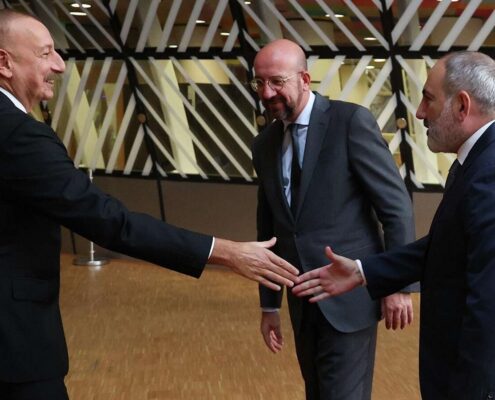
 https://armtribunal.com/wp-content/uploads/2026/03/aliev_pashinjan_sharl-mishel-1-e1772786001122.jpg
450
800
admin
/wp-content/uploads/2025/03/logo_main.png
admin2026-03-07 19:17:202026-03-07 19:17:20Brussels, Jermuk, Prague: Three Steps to a National Catastrophe
https://armtribunal.com/wp-content/uploads/2026/03/aliev_pashinjan_sharl-mishel-1-e1772786001122.jpg
450
800
admin
/wp-content/uploads/2025/03/logo_main.png
admin2026-03-07 19:17:202026-03-07 19:17:20Brussels, Jermuk, Prague: Three Steps to a National Catastrophe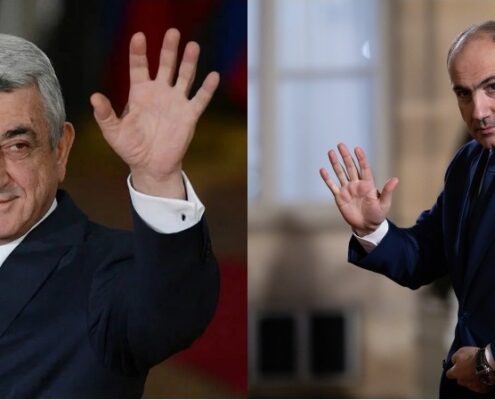 https://armtribunal.com/wp-content/uploads/2026/02/serzh-sargsjan-i-nikol-pashinjan-1.jpg
449
799
admin
/wp-content/uploads/2025/03/logo_main.png
admin2026-02-22 12:00:252026-02-22 20:31:42Falsehood in the Pursuit of Power: A Mirror Reflection of Sargsyan and Pashinyan
https://armtribunal.com/wp-content/uploads/2026/02/serzh-sargsjan-i-nikol-pashinjan-1.jpg
449
799
admin
/wp-content/uploads/2025/03/logo_main.png
admin2026-02-22 12:00:252026-02-22 20:31:42Falsehood in the Pursuit of Power: A Mirror Reflection of Sargsyan and Pashinyan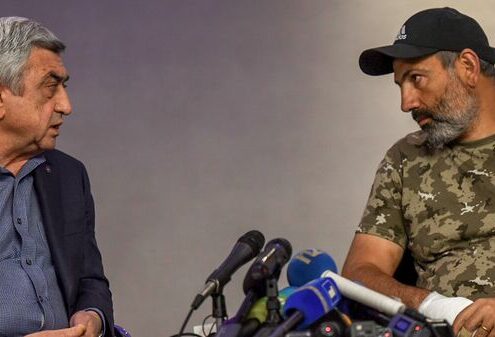 https://armtribunal.com/wp-content/uploads/2026/02/serzh-sargsjan-i-nikol-pashinjan.jpg
337
600
admin
/wp-content/uploads/2025/03/logo_main.png
admin2026-02-13 13:03:412026-02-13 20:10:07From Football Diplomacy to Corridors: Nikol Pashinyan’s Strategic Line Without Departing from Serzh Sargsyan’s Course
https://armtribunal.com/wp-content/uploads/2026/02/serzh-sargsjan-i-nikol-pashinjan.jpg
337
600
admin
/wp-content/uploads/2025/03/logo_main.png
admin2026-02-13 13:03:412026-02-13 20:10:07From Football Diplomacy to Corridors: Nikol Pashinyan’s Strategic Line Without Departing from Serzh Sargsyan’s Course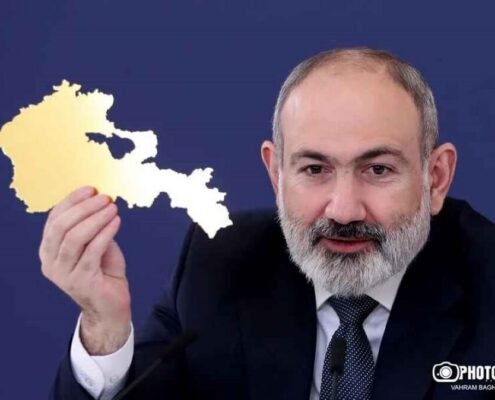 https://armtribunal.com/wp-content/uploads/2026/02/pashinjan-s-maketom-karty-armenii.jpg
674
1000
admin
/wp-content/uploads/2025/03/logo_main.png
admin2026-02-12 20:02:572026-02-12 20:02:57“Real Armenia” – A Project to Undermine the Nation and the State
https://armtribunal.com/wp-content/uploads/2026/02/pashinjan-s-maketom-karty-armenii.jpg
674
1000
admin
/wp-content/uploads/2025/03/logo_main.png
admin2026-02-12 20:02:572026-02-12 20:02:57“Real Armenia” – A Project to Undermine the Nation and the State https://armtribunal.com/wp-content/uploads/2026/01/pashinjan-i-garegin-ii.jpg
720
1280
admin
/wp-content/uploads/2025/03/logo_main.png
admin2026-01-26 15:51:222026-01-26 17:45:51The Government–Church Conflict: An Unprecedented Crisis of Armenian Statehood
https://armtribunal.com/wp-content/uploads/2026/01/pashinjan-i-garegin-ii.jpg
720
1280
admin
/wp-content/uploads/2025/03/logo_main.png
admin2026-01-26 15:51:222026-01-26 17:45:51The Government–Church Conflict: An Unprecedented Crisis of Armenian Statehood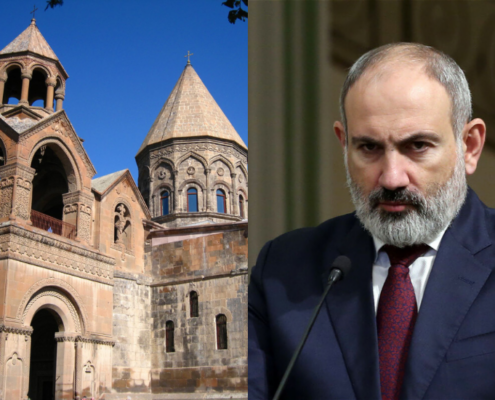 https://armtribunal.com/wp-content/uploads/2026/01/pashinjan-protiv-cerkvi.webp
550
800
admin
/wp-content/uploads/2025/03/logo_main.png
admin2026-01-14 08:43:352026-01-14 08:43:35Campaign Against the Armenian Apostolic Church: “Reforms,” Pressure, and an Attempt at Internal Division
https://armtribunal.com/wp-content/uploads/2026/01/pashinjan-protiv-cerkvi.webp
550
800
admin
/wp-content/uploads/2025/03/logo_main.png
admin2026-01-14 08:43:352026-01-14 08:43:35Campaign Against the Armenian Apostolic Church: “Reforms,” Pressure, and an Attempt at Internal Division https://armtribunal.com/wp-content/uploads/2026/01/pashinja-i-hachatur-sukiasjan.jpg
332
588
admin
/wp-content/uploads/2025/03/logo_main.png
admin2026-01-13 08:34:052026-01-13 08:34:05Under the Guise of Legality: The Systemic Fusion of Government and Corruption
https://armtribunal.com/wp-content/uploads/2026/01/pashinja-i-hachatur-sukiasjan.jpg
332
588
admin
/wp-content/uploads/2025/03/logo_main.png
admin2026-01-13 08:34:052026-01-13 08:34:05Under the Guise of Legality: The Systemic Fusion of Government and Corruption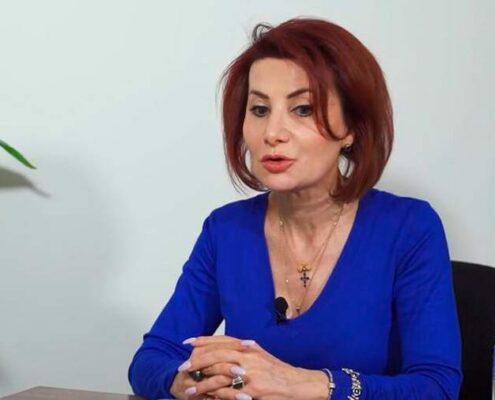 https://armtribunal.com/wp-content/uploads/2026/01/mina-hachatrjan.jpg
506
900
admin
/wp-content/uploads/2025/03/logo_main.png
admin2026-01-09 16:38:152026-01-09 16:38:15Mina Khachatryan: 20 Rhetorical Questions to Serzh Sargsyan
https://armtribunal.com/wp-content/uploads/2026/01/mina-hachatrjan.jpg
506
900
admin
/wp-content/uploads/2025/03/logo_main.png
admin2026-01-09 16:38:152026-01-09 16:38:15Mina Khachatryan: 20 Rhetorical Questions to Serzh Sargsyan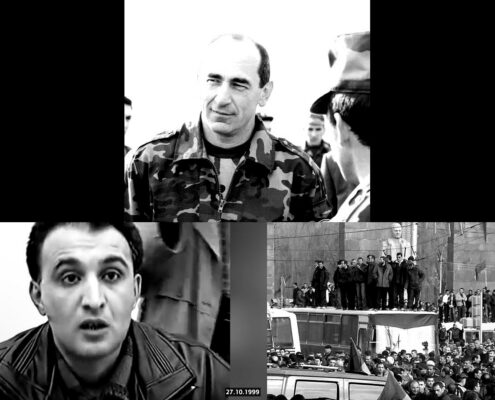 https://armtribunal.com/wp-content/uploads/2025/12/collage_vertical_dramatic.jpg
900
1332
admin
/wp-content/uploads/2025/03/logo_main.png
admin2025-12-30 08:46:052026-01-08 16:09:58How the Current Catastrophic Situation in Armenia Began: From Romanticized Independence to Systemic Vulnerability – Part 3. The Era of Robert Kocharyan (1998-2008). BETWEEN TWO TRAGEDIES: OCTOBER 27, 1999, AND MARCH 1, 2008 — ARMENIAN STATEHOOD UNDER THREAT
https://armtribunal.com/wp-content/uploads/2025/12/collage_vertical_dramatic.jpg
900
1332
admin
/wp-content/uploads/2025/03/logo_main.png
admin2025-12-30 08:46:052026-01-08 16:09:58How the Current Catastrophic Situation in Armenia Began: From Romanticized Independence to Systemic Vulnerability – Part 3. The Era of Robert Kocharyan (1998-2008). BETWEEN TWO TRAGEDIES: OCTOBER 27, 1999, AND MARCH 1, 2008 — ARMENIAN STATEHOOD UNDER THREAT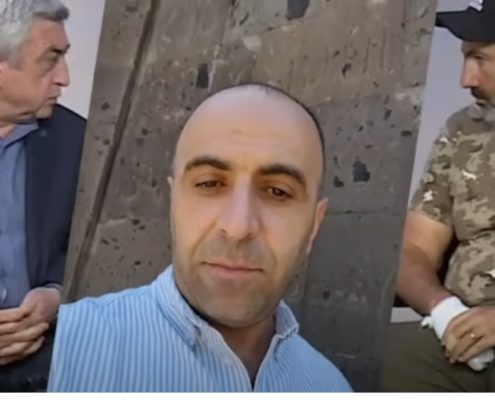 https://armtribunal.com/wp-content/uploads/2025/07/serzh-sargsjan_artur-ambarcumjan_-nikol-pashinjan.jpg
648
1224
admin
/wp-content/uploads/2025/03/logo_main.png
admin2025-12-23 10:04:572025-12-23 10:04:57Arthur Hambardzoumyan: Silence as a Key Factor in State Destruction
https://armtribunal.com/wp-content/uploads/2025/07/serzh-sargsjan_artur-ambarcumjan_-nikol-pashinjan.jpg
648
1224
admin
/wp-content/uploads/2025/03/logo_main.png
admin2025-12-23 10:04:572025-12-23 10:04:57Arthur Hambardzoumyan: Silence as a Key Factor in State Destruction