
Nikol Pashinyan Under the Guise of a “Peace Dove” as a Harbinger of a New Catastrophe
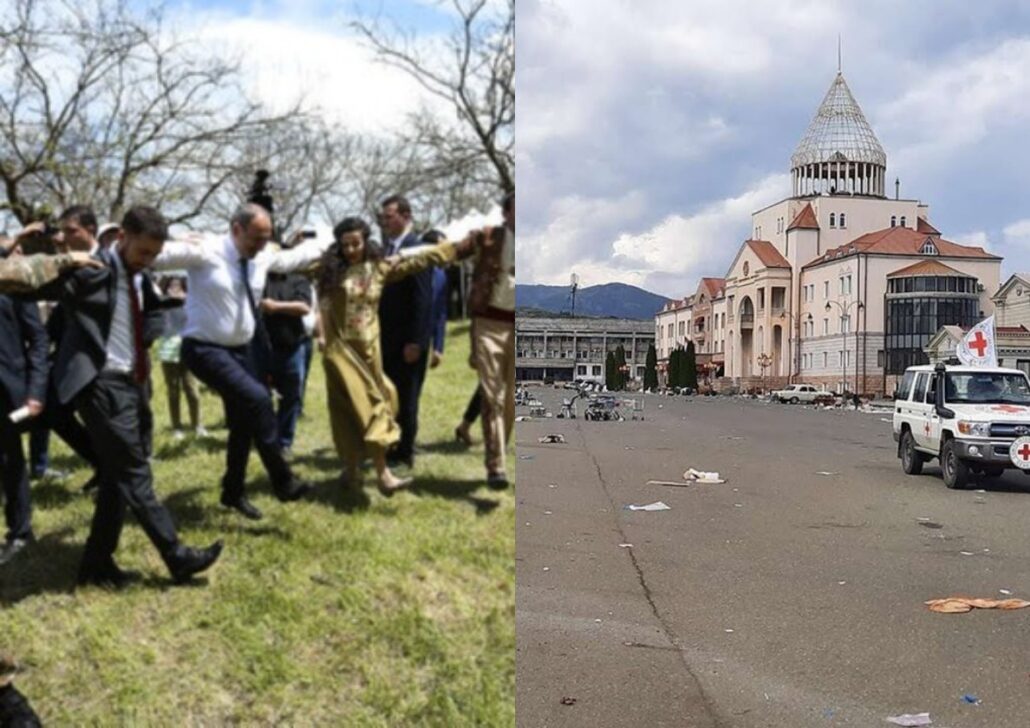
Nikol Pashinyan has recently been offering society a rather peculiar formula of political choice: either him or war.
This formula is not new, either in its substance or in its methods of application. It is primitive, yet effective in conditions of societal fatigue and fear. In such an environment, its use requires neither particular intellectual effort nor even basic respect for one’s own citizens.
However, setting aside this imposed dilemma and turning to a more practical issue — Pashinyan’s fulfilled promises — one can hardly identify any. Not a single obligation has been brought to its logical conclusion.
To be more specific, let us recall his speech at Republic Square on August 17, 2018. At that time, the prime minister emotionally declared that there would be no secret documents, no behind-the-scenes decisions — only transparent dialogue with the people. As it later became clear, that promise was never meant to be implemented in practice; it remained mere rhetoric.
It is enough to recall that on November 10, 2020, Nikol Pashinyan single-handedly signed the trilateral statement, transferring part of Artsakh to Azerbaijan. This was done without public discussion, despite his earlier assurances.
What followed was a series of contradictory explanations lacking any logical coherence. On the one hand, he claimed the war could have been avoided. On the other, he insisted that it had been anticipated and preparations had been made. Which of these statements reflects reality remains an open question, especially given that both came from the same person.
The developments of 2022 deserve particular attention. In Prague, Pashinyan made a statement that effectively recognized Artsakh as part of Azerbaijan. Such a position is difficult to reconcile with his earlier claims regarding self-determination and the pursuit of international recognition for Artsakh.
On the subject of self-determination, as early as 2018, he asserted that the “revolution” would lead to the recognition of that right. However, subsequent actions demonstrated that this was a political slogan rather than a strategic policy.
It is important to note that this shift in political direction did not arise from unavoidable objective circumstances, but from a public and demonstrative rejection of previously stated commitments.
The events of September 2023 only reaffirmed this pattern. During a moment of military escalation, Artsakh was left without meaningful support from Armenia. The commitments that had been so frequently articulated proved to be nothing more than words. The outcome is well known: Artsakh was lost, its population displaced, and responsibility diffused.
Հետաքրքիր է, որ 2025 թվականին Երևանում Հայաստանի արտգործնախարար Արարատ Միրզոյանի հետ համատեղ մամուլի ասուլիսի ժամանակ Ռուսաստանի արտգործնախարար Սերգեյ Լավրովն ուղղակիորեն մատնանշեց 2020 թվականի նոյեմբերի եռակողմ հայտարարության մեջ Արցախի կարգավիճակին վերաբերող դրույթների առկայությունը։ Եվ ընդգծեց, որ Նիկոլ Փաշինյանի հետագա հայտարարությունները Պրահայում փաստացի զրոյացրել են այդ պայմանավորվածությունները։ Հատկանշական է, որ ո՛չ Արարատ Միրզոյանը, ո՛չ էլ հայկական կողմն ընդհանրապես հարկ չհամարեցին ըստ էության առարկել։
Thus, the overall picture becomes clear. Nikol Pashinyan makes promises but does not fulfill them. He declares one course of action and follows another. He warns of threats while simultaneously creating the conditions for them.
This leads to a logical question: are we witnessing a consistent policy, or merely its imitation? A system of decisions, or their situational substitution? Responsibility in the true sense, or its reinterpretation in Pashinyan’s style — “I am responsible, but not guilty”?
There is a growing impression that promises are made not to be fulfilled, but to be continuously reproduced. They emerge, circulate in public discourse, and then fade away — only to be replaced by new ones, equally ephemeral and no more binding.
As a result, society repeatedly finds itself in a familiar position — forced to make choices under the pressure of fear, using the same arguments and subjected to the same methods.
The question facing society today is therefore quite simple and requires neither complex phrasing nor theoretical justification: after so many instances of deception, unfulfilled promises, and undisclosed decisions, is Armenian society prepared to go through this cycle once again and fall into the same trap?
In other words, should people once again entrust the country’s governance to the same political force — the Civil Contract Party led by Nikol Pashinyan — when previous experience has already led to losses with irreversible consequences?
The answer lies not in words, but in choice. And the cost of that choice may prove far greater than imagined, especially in light of past experience.
At the same time, a troubling pattern has taken root. Society has grown accustomed to explaining the consequences of its own decisions by blaming everyone and everything — except those decisions themselves.
Those who, driven less by conviction than by residual antagonism toward former authorities, are inclined to support Pashinyan once again should attempt something simple, though unusual: to imagine the inevitable outcome of that choice.
This reflection should occur not before the act of voting — which often passes easily and even with a sense of moral satisfaction — but afterward, before the familiar cycle of explanations, justifications, and the search for scapegoats begins anew. Before once again blaming former authorities, allies, or external forces, it is worth acknowledging that they are not the ones who initiate this cycle.
After all, it is neither former leaders, nor “unreliable allies,” nor abstract external forces who place the ballot in the box. It is the people themselves. And it is precisely at that moment that society confronts a responsibility that cannot be delegated or denied.