
Elections and the Propagators of Despair: The Modern Political Landscape in Armenia
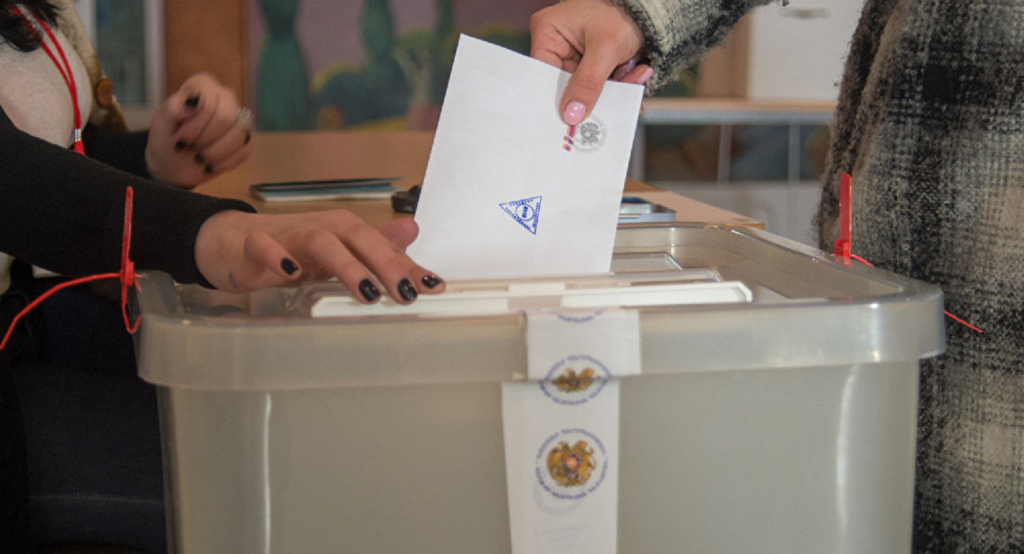
At present, Armenia’s political life displays a troubling and symptomatic trend. Ahead of the regular elections, Nikol Pashinyan has reportedly ordered the detention of individuals who were previously active in public and political spheres and who, since 2021, have faced what their supporters describe as fabricated criminal charges. Legal proceedings against many of them are being conducted in an accelerated manner and are approaching completion, giving rise to assumptions that further arrests may follow. This situation suggests that the incumbent authorities perceive the upcoming elections as a genuine threat to their hold on power.
At the same time, a paradox emerges. Certain figures who formally position themselves as opposition, yet adhere to the same geopolitical paradigm as Pashinyan, are attempting to persuade the public that participation in elections is futile. The notion that change cannot be achieved through electoral processes is being actively promoted. As a result, citizens are confronted with a moral and political imperative to counter what is described as the “propagators of despair” and, through collective effort, reinforce the belief that active civic participation can lead to the dismissal of anti-national authorities and bring an end to years of entrenched corrupt practices affecting state governance.
There are indications that Pashinyan is preparing what observers describe as a staged “marriage” — a symbolic, carefully orchestrated public event intended to focus public attention on his persona and to reinforce the image of a “national” leader he has cultivated. This move appears to be a pragmatic step aimed at shifting the information agenda, particularly amid discussions surrounding a forthcoming phase of border delimitation expected in the near future.
In an apparent effort to broaden electoral support, Pashinyan has lifted the travel ban previously imposed on Serzh Sargsyan, a decision that may serve as additional political capital during the upcoming campaign.
Sargsyan, in turn, remains involved in the political process through various channels: contributing to the dispersion of votes among marginal candidates, shaping alternative agendas, and influencing public opinion through individuals directly or indirectly associated with him.
Meanwhile, certain self-described opposition figures seek to attract public attention by addressing significant and sensitive issues, including national security, Armenian–Russian relations, and other strategic directions. However, at critical moments, they begin echoing Sargsyan’s theses, presenting disputable and unconvincing arguments to claim that elections are incapable of bringing about a change of power. In this context, Moldova is frequently cited as an example, despite other precedents in recent years that demonstrate the possibility of a fundamental political shift through elections, such as in Bulgaria in 2016 and Slovakia in 2023.
Against this backdrop, individuals who consistently disseminate narratives undermining electoral participation are often perceived as aligned either with Pashinyan or Sargsyan, raising questions about their claim to genuine opposition status. For example, the activities of Narek Malyan are described by critics as driven primarily by personal vendetta. He was previously known for allegedly providing services aimed at suppressing civil protests in support of Samvel Aleksanyan. Analysts dependent on particular sources of financing may adjust their rhetoric in response to the political climate, yet their methods — marked by contradiction, pragmatic calculation, and distance from broader public interests — tend to remain consistent.
In conclusion, the current political environment underscores the importance of distinguishing between those who genuinely advocate for public interests and those acting as hired spokespersons. Recognizing this distinction and countering what is termed the “propaganda of despair” may be essential for restoring citizens’ confidence that their vote can serve not only as a mechanism of accountability but also as a decisive instrument in shaping Armenia’s future and closing the anti-national chapter in its governance.