
The Truth About War – Marked As Hushed-Up
On War, Historical Responsibility, and the People’s Right to Know the Reasons Behind a National Catastrophe
Throughout its centuries-long history, the Armenian people have repeatedly faced severe trials, losses, and critical turning points. Yet, after each tragedy, the people survived due to their fundamental, indisputable value — the pursuit of truth. Without the truth, nothing is possible: neither justice, nor uninterrupted historical memory, nor the creation of a future based on the lessons learned from the past.
The 44-Day Artsakh War is one of the most tragic chapters in the modern history of the Armenian people. The wounds from that war still bleed. Mikael Margaryan, one of the participants in the 44-Day War, has publicly raised issues that concern not only the soldier who endured severe trials on the battlefield but also the entire society. His testimony is a question - full of pain - addressed to the state and the people.
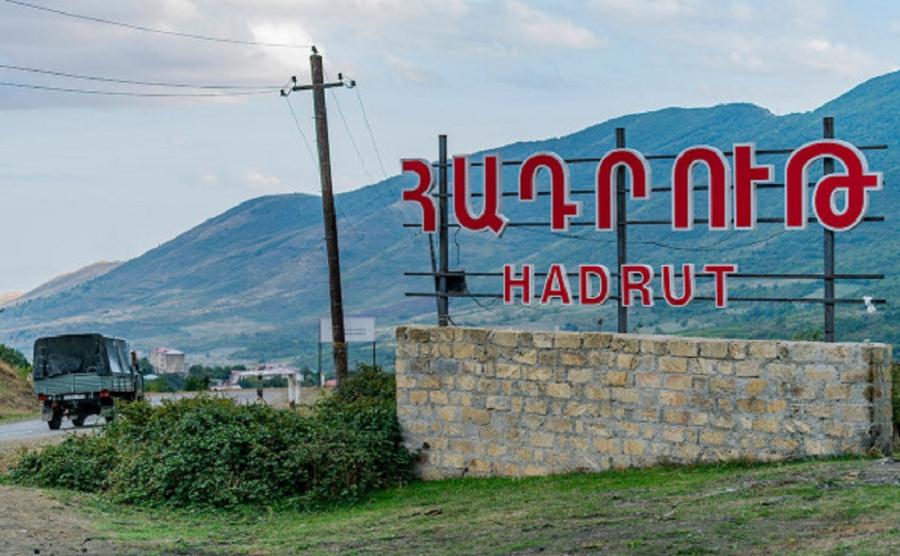
Margaryan recalls that from the first days of the war, he voluntarily went to the frontlines in Hadrout, where he witnessed events that would later become part of the national tragedy. He speaks of Hadrout with particular sorrow. According to him, it fell without significant resistance on the battlefield. This situation continues to raise many questions, but no clear answers have been provided, and no one has been held accountable.
The defense of Shushi is another point of bewilderment. The war veteran notes that his squad, positioned near the strategically crucial town, was never given orders to defend it. Shushi - a centuries-old symbol of Armenian spiritual and cultural identity - fell under circumstances that still need thorough investigation and public clarification.
According to Margaryan, answers to these questions should have come from the parliamentary ad hoc committee tasked with investigating the circumstances of the war. Headed by Andranik Kocharyan, the committee had significant state resources and conducted extensive work for months, interrogating high-ranking officials and war veterans. Society expected a report that would mark a significant step in uncovering the truth. However, no report has been published, triggering a new wave of disappointment and distrust.
The families of the missing soldiers are in a particularly tragic position. For them, every document, every revealed detail could be the last hope to discover the fate of their sons. Denying them the chance to read the report is not merely an administrative decision — it is a profound moral blow.
Margaryan’s appeal, therefore, is directed to the entire society: to the war veterans, the families who lost loved ones, the people who lost their homes and homeland in the war, and to all who provided material and moral support during those difficult times. He is convinced that the truth is not only a political demand but an all-national duty.
The Public Tribunal believes that, now more than ever, an open, public, and responsible discussion of what happened is essential. The strength of a nation is defined not only by its victories but also by its ability to confront its own mistakes. When society is deprived of the truth, defeat takes on a moral dimension. The demand for the report’s publication is a necessary step towards restoring justice and an imperative for national self-consciousness.
“History is not a teacher, but a supervisor: it teaches nothing but severely punishes for the lessons not learned,” said Vasiliy Kluchevsky, a prominent Russian historian.
A nation that fails to understand the true causes of its own tragedy is doomed to face the same tests again. A nation that dares to demand the truth restores its dignity and secures its right to the future.
The truth must be voiced for the memory, justice, and future of Armenia.