
Compensation for Rent and Social Contrast: How Pashinyan’s Government Is Distributing Budgetary Funds
A new social contract has effectively taken shape in Armenia: the government disposes of public resources at its own discretion, while citizens are expected to listen to explanations about why they remain poor and receive no meaningful state support. While the authorities continuously emphasize budgetary constraints to the population, millions of drams are quietly distributed within government offices.
In one of its earlier articles, the Public Tribunal reported that ministers and their deputies received multimillion-dram bonuses from the state budget in December. Some officials received 7–8 million drams, others up to 9 million drams, while deputy ministers were paid bonuses of 4–5 million drams. At the same time, official inquiries from journalists went unanswered, and information about these budgetary payments was effectively classified. Meanwhile, the government continues to explain to pensioners why pension increases are allegedly impossible, instead promoting “favorable” compulsory medical insurance schemes under which far from all services are covered, a significant portion of treatment remains paid, and access to medical care has become more complicated.
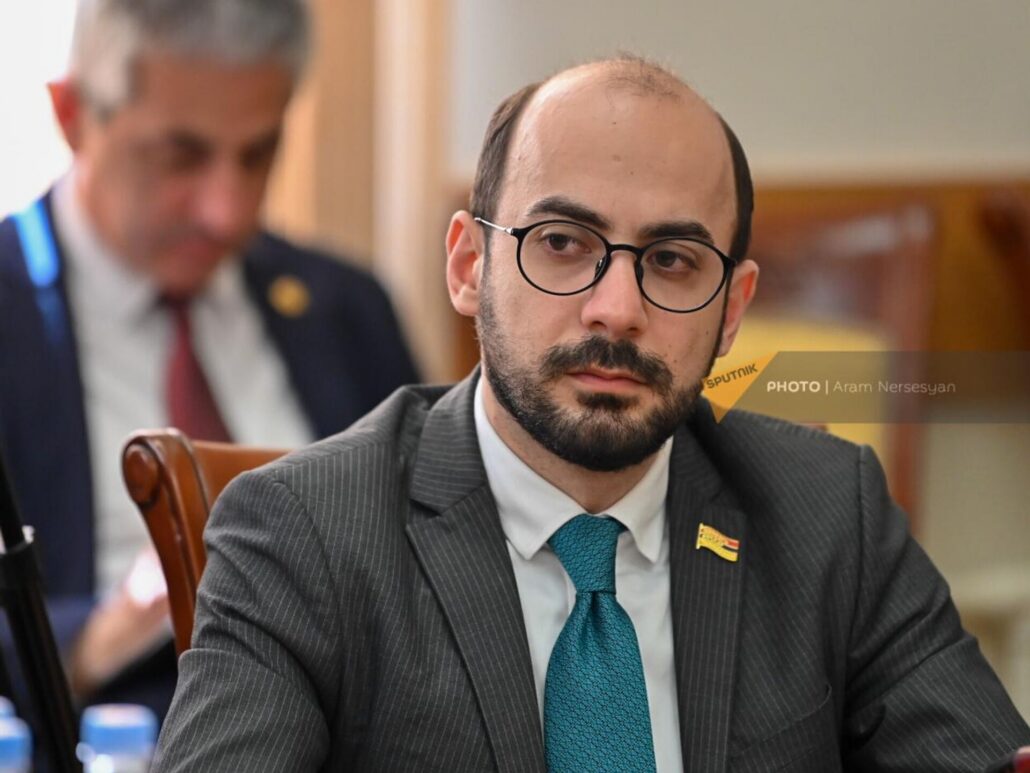
A recent incident involving Arthur Hovhannisyan, Secretary of the Civil Contract parliamentary faction, should be viewed in this same context. According to the Zhoghovurd newspaper, in 2021, he received monthly compensation for housing rent amounting to 100,000 drams, despite the fact that he is not a resident of a rural area — a prerequisite that would make such compensation lawful.
Under the law, rent compensation may be provided only to parliamentarians who:
- do not own real estate in Yerevan;
- actually rent an apartment at a specified address;
- submit a certificate from the Cadastre confirming the absence of real estate ownership and the fact of renting housing.
Despite these requirements, Arthur Hovhannisyan was granted compensation by the Speaker of Parliament, Alen Simonyan. This decision demonstrates the authorities’ cynical attitude toward the law and toward transparency in the use of state budget funds.