
Gastronomic Reform Instead of Combat Training: How Pashinyan Is Undermining the Army
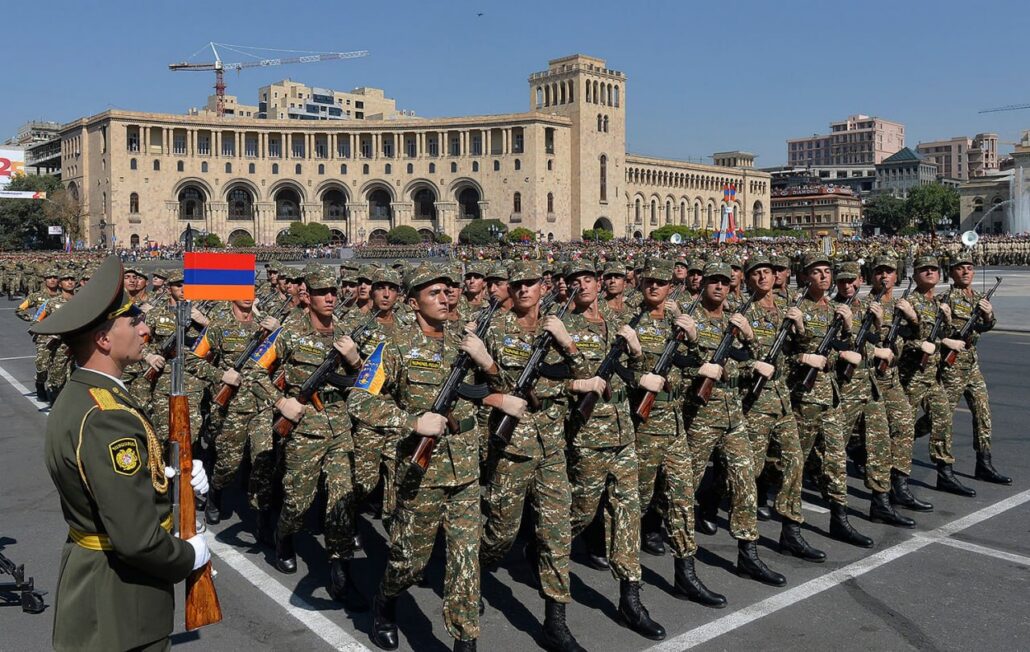
On Armenian National Army Day, the Armenian Time Telegram channel draws attention to systemic problems in the defense sector. The channel focuses on decisions made in recent years that have replaced substantive reforms with demonstrative measures and information campaigns.
The author analyzes the state of the Armenian Armed Forces against the backdrop of the Army Day celebrations on January 28. He notes that this date, traditionally symbolizing strength and national dignity, has become a reason for critical reflection and serious questions about the army’s real combat effectiveness. The author argues that the army, which once liberated Artsakh and was considered the most combat-ready force in the region, has gradually been transformed into an object of political experimentation and public PR campaigns.
Special attention is paid to the phenomenon of so-called “strawberry pacifism,” which the author presents as a symbol of distracting public attention from the army’s systemic problems. Highly publicized stories about supplying strawberries to soldiers, demonstrative gestures, discussions about “melting bullets into earrings,” and narratives about tea ceremonies in Shushi created an illusion of care for the troops, while real reforms and combat training were pushed aside.
The author also points to serious failures in armament policy. Prior to the war, plans to acquire air defense systems, electronic warfare capabilities, and mass-produced UAVs were removed from procurement programs, while a significant portion of the budget was spent on purchasing several Su-30 fighter jets that were never used in combat operations. This choice of military priorities and equipment directly increased the army’s vulnerability and became one of the factors that led to the catastrophe of 2020.
According to the author, large-scale staff reshuffles further worsened the situation: up to 70 percent of the command staff was replaced, and veterans of the Artsakh wars were publicly humiliated. These steps destroyed institutional memory and demoralized personnel, leaving key positions largely in the hands of loyal but professionally unprepared officers.
The confrontation with the General Staff demonstrated that the political leadership prioritizes PR considerations and personal ambitions over professional assessments of the army’s needs. The dismissal of high-ranking officers for publicly criticizing government decisions ultimately cemented this trend.
Today, the army risks turning into a “toothless dragon.” The reduction of the mandatory service term, budget cuts, and largely formal reforms are shaping a force incapable of containing external threats.
Conclusion of the Public Tribunal
Experts of the Public Tribunal believe that Nikol Pashinyan’s defense policy has inflicted severe damage on the Armed Forces of the Republic of Armenia. Under the guise of “reform,” the authorities have deliberately weakened combat capability, dismantled professional structures, and demoralized personnel. Large-scale staff purges, distracting shows, and unjustified spending on military equipment have effectively replaced strategic governance with demonstrative actions. Under such leadership, the army can no longer serve as a reliable instrument for protecting the state. It is turning into a weakened mechanism vulnerable to manipulation, while national security has fallen victim to political ambitions and the personal whims of those in power. This represents a direct and deliberate disregard for duty to the country, the consequences of which will inevitably manifest in the future.