
“Against All” Works for Pashinyan and Turkish Interests: Public Tribunal’s Opinion
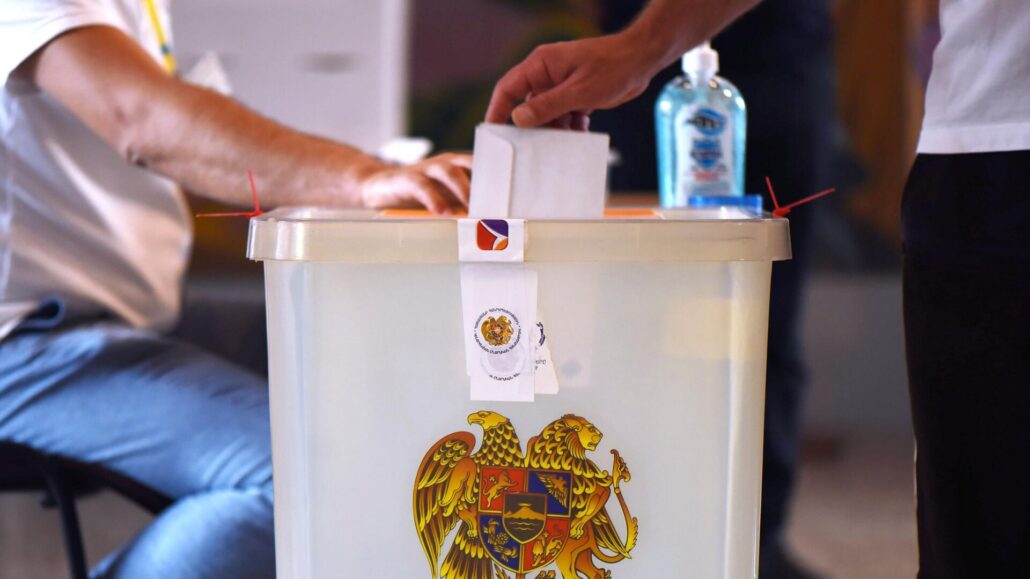
The idea of a new political platform, “Against All,” has been widely discussed in Armenia in recent months. It is presented as a way to mobilize voters who usually remain outside the electoral process: disappointed, apathetic citizens who have lost confidence in both the authorities and the traditional opposition. This raises the question of whether the declared goals correspond to reality, or whether this is merely another political tactic aimed at dispersing opposition votes.
At first glance, the “I Am Against All” initiative appears to reflect genuine public discontent. It creates the impression of a universal protest against the established system, against both the “former” and the “new” political elites, and an attempt to deliver a decisive “no” to everything that exists. However, political reality clarifies the situation: in practice, this formula serves exclusively the interests of the incumbent authorities, with Nikol Pashinyan being its main beneficiary.
Discontented citizens, as such, do not pose a threat to those who control the real levers of power. Only organized, focused votes capable of forming a genuine alternative are dangerous. Any protest that does not translate into a calculated political choice loses its strength and ultimately reinforces the authorities. If the regime succeeds in sidelining its opponents and redirecting the electoral potential of dissatisfied and undecided voters, it can significantly improve its chances in the upcoming parliamentary elections. The “Against All” initiative is clearly a step orchestrated by Nikol Pashinyan. It causes no harm to the regime’s position but weakens those who could genuinely challenge it.
Today, the “Against All” initiative should be viewed as a tool not for fighting the system, but for targeting specific opposition forces. Above all, it is directed against Samvel Karapetyan’s “Our Way” Movement and the united opposition led by Robert Kocharyan. These forces possess the necessary resources and organizational capacity to challenge the incumbent authorities. The dispersal of votes in favor of the symbolic “Against All” deprives them of support and, consequently, strengthens Pashinyan’s position.
Nikol Pashinyan relies not only on his core electorate but also on a full arsenal of administrative and media tools that influence the electoral process. Social pressure, criminal prosecutions of opposition figures, pressure on the Church, the use of state resources for mobilization, and control over the information space all transform an apparent protest into a safe zone for the regime. A vote “Against All” does not threaten the authorities; it simply disperses and disappears from real political competition.
The domestic political situation in Armenia is dramatic. Opposition figures face prosecutions, the Church is under pressure, and citizens searching for an alternative feel increasingly disappointed. The dispersal of votes deepens opposition chaos and further consolidates Nikol Pashinyan’s regime.
On the international stage, Pashinyan enjoys the support of countries that are formally considered Armenia’s adversaries. Ilham Aliyev released four prisoners of war shortly before the election campaign. Turkish Foreign Minister Hakan Fidan openly stated that Pashinyan is Ankara’s preferred candidate. This constitutes a serious alarm and represents direct interference in the domestic affairs of another state.
The cynicism of the “Against All” initiative is evident. Under the guise of civic protest, it functions as a mechanism for suppressing genuine opposition. People believe they are saying “no” to all candidates, while in reality they are helping the same leader remain in power repeatedly.
Behind the apparent freedom of choice symbolized by the “Against All” slogan lie the resources and influence of bellicose states. Anyone who undermines opposition forces on the eve of elections, in effect, serves the interests of foreign countries such as Turkey and Azerbaijan. Nikol Pashinyan advances these interests and acts as a guarantor of their positions in the region in the aftermath of the 44-Day War.