
Morale of Heroes Against Defeatism: Abajyan, Andreasyan vs. Pashinyan’s PR Prisoners
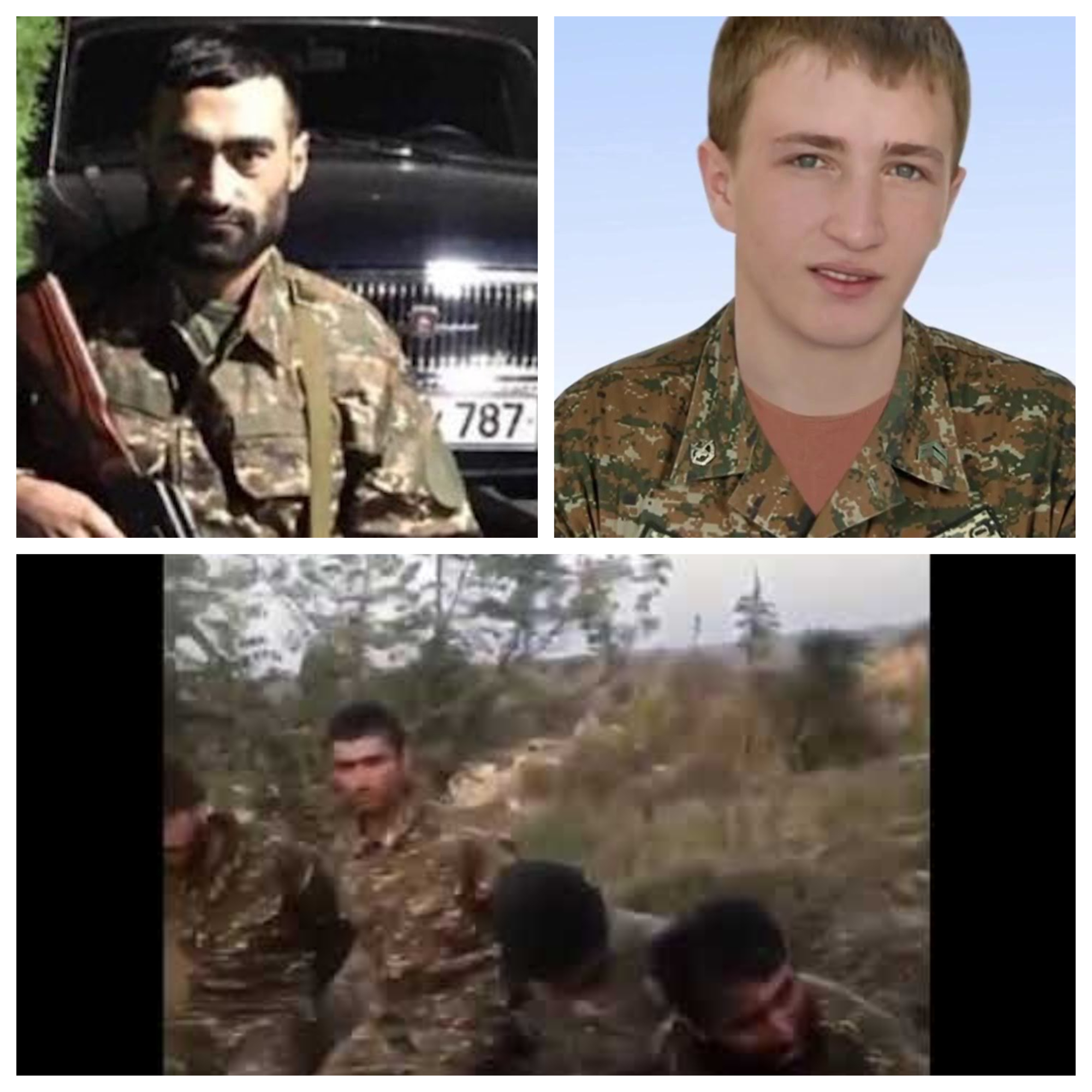
Azerbaijan has handed over four prisoners to Armenia, Prime Minister Nikol Pashinyan announced.
“Prisoners Gevorg Sujyan, Davit Davtyan, Viken Euljekian, and Vagif Khachatryan were handed over to the Armenian side. They were taken across the Hakari Bridge and transferred to representatives of the relevant Armenian authorities, ” Sputnik Armenia quoted Pashinyan as saying.
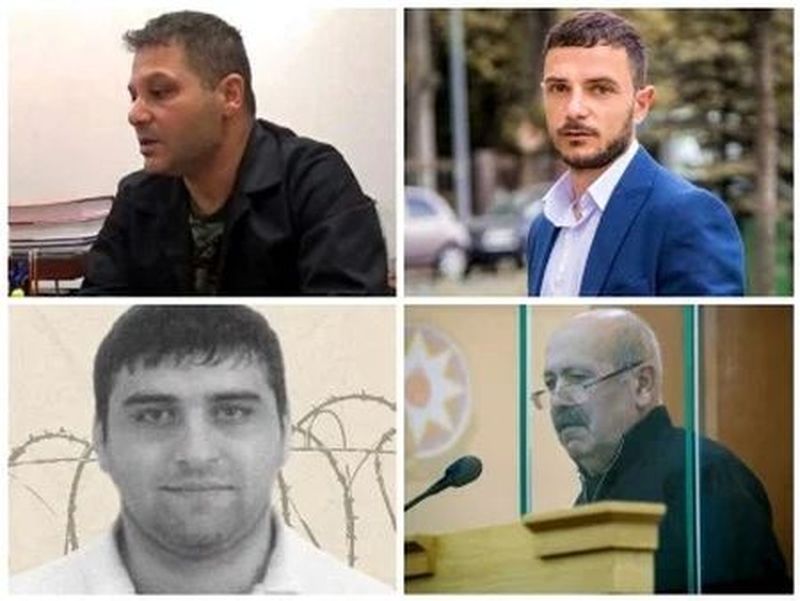
At first glance, this step is being presented as a humanitarian gesture. However, viewing it solely through that lens means ignoring its political subtext. This was not merely an exchange or a handover of prisoners, but an attempt to embed the event into the authorities’ election campaign. The parliamentary elections of 2026 are already shaping the behavior of Pashinyan’s team, and every such episode is used to demonstrate the “effectiveness” of his political course.
Another, even more obvious aspect also deserves attention: the release of prisoners objectively works in favor of Pashinyan’s domestic approval ratings, which aligns with Baku’s interests. Therefore, Azerbaijan’s move should be seen not only as a gesture of goodwill, but also as direct support by Ilham Aliyev for the incumbent prime minister’s election campaign. Pashinyan is a convenient partner - one who consistently convinces his own population that there is no alternative to his political path, presenting all concessions as the price of “peace.”
These days, Pashinyan is bending over backwards to persuade the public that, within the framework of the so-called “peace agenda” with Azerbaijan, there is no alternative to his continued rule. Any opposition force is labeled “revanchist,” any criticism is framed as a threat to peace, and any concession is presented as the only possible choice. Within this logic, the return of prisoners appears less as an act of justice and more as a tool of political legitimization woven into election campaign narratives.
The current developments should be viewed precisely in this context. Particularly illustrative is the contrast between the images the authorities are actively promoting today and those they prefer to erase from the collective memory.
Between Robert Abajyan, Taron Andreasyan, and the Return of Prisoners: How the Government Cultivates Defeatism
Every nation’s history contains moments that become moral watersheds. For Armenia, the war itself appeared to be such a moment. Yet an even greater watershed proved to be the way the authorities learned to speak about war, defeat, and dignity. The language used by those in power shapes not only collective emotions, but also the boundaries of what is considered permissible to think. More and more often, these boundaries are constructed within the logic of capitulation.
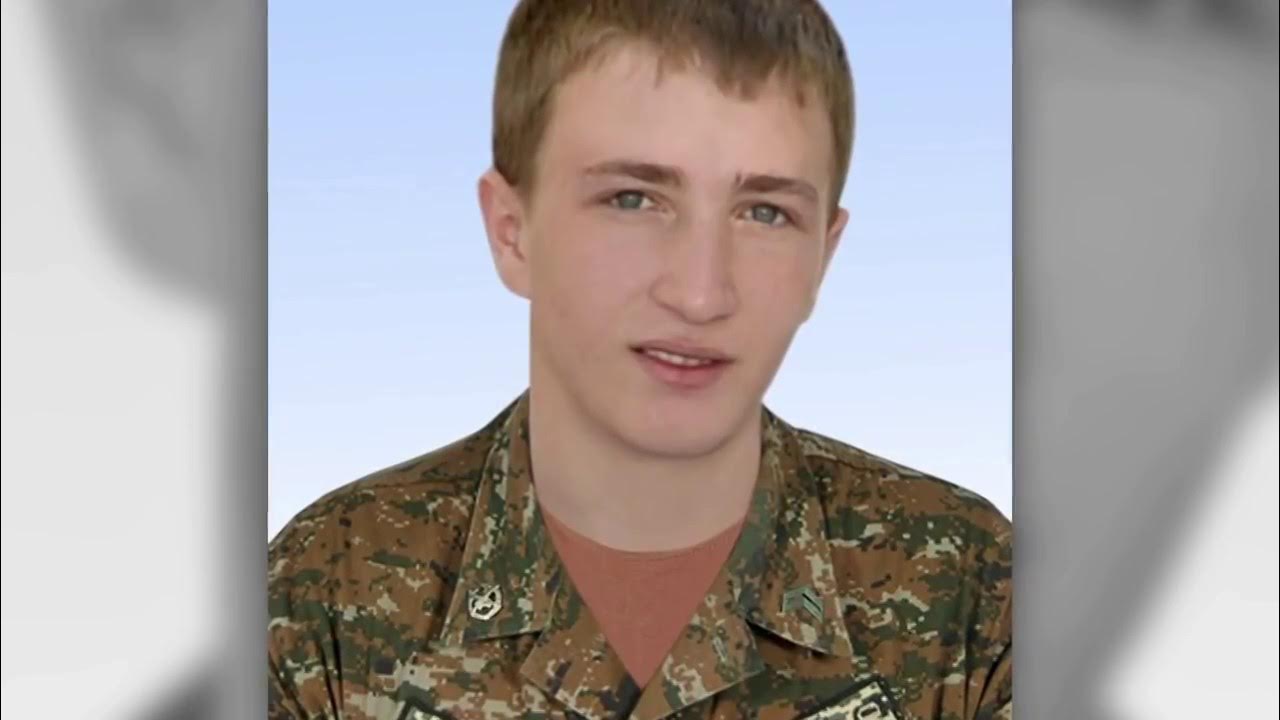
The image of Robert Abajyan is not merely an episode from the Four-Day War of 2016; it is a testament to Armenian morale. A young soldier who found himself surrounded by the enemy made a choice not between life and death, but between dignity and humiliation. He did not surrender. He did not allow himself to become an object of someone else’s will or cameras. He detonated a grenade, taking enemy lives with him. This act was not a cult of death, but an extreme assertion of freedom: you may defeat me physically, but you will never break me morally.
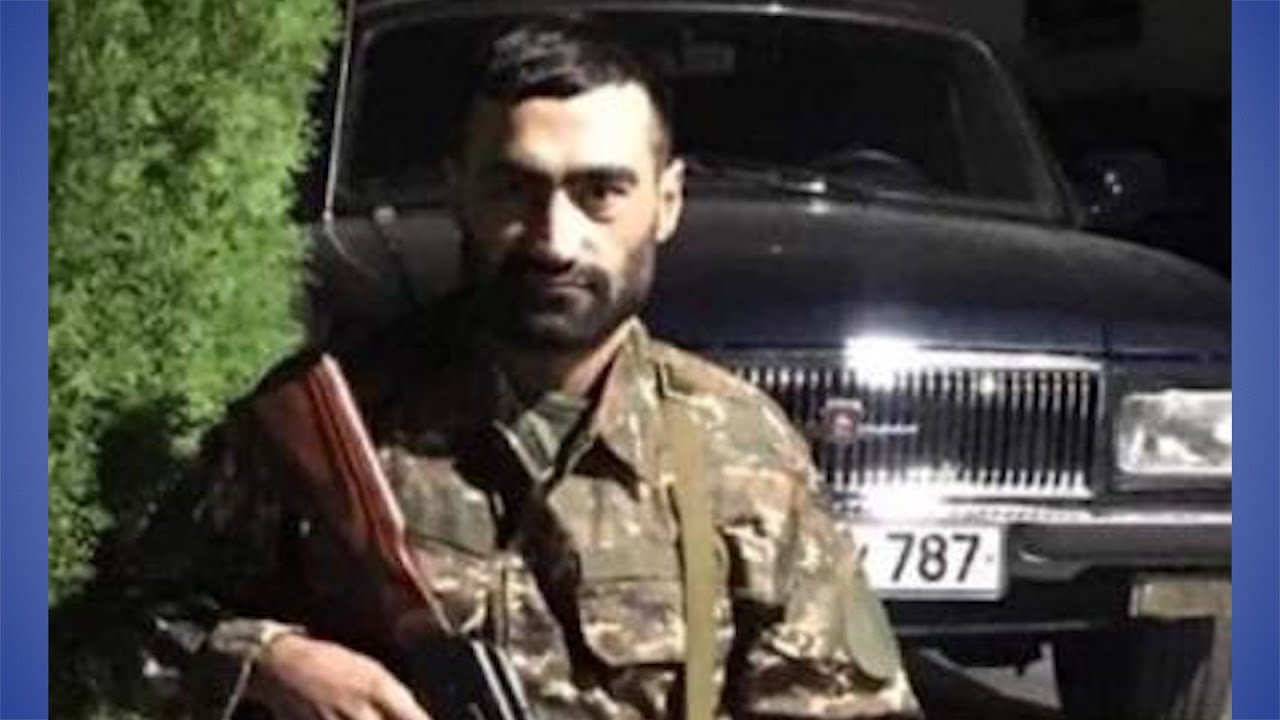
After the defeat in the 44-Day War of 2020, amid deliberately cultivated apathy and fear - when Armenian society was methodically accustomed to the idea of inevitable humiliation - in September 2022, the public saw video footage that could not be fitted into the general narrative of defeat. An Armenian soldier rejected an Azerbaijani officer’s offer to surrender and fought alone until the very end. His name was Taron Andreasyan.
Like Robert Abajyan, Taron chose not between life and death, but between dignity and captivity. In front of cameras, facing an armed group of adversaries, despite promises of “security,” he articulated aloud what Pashinyan’s government fears to say openly. “We are not afraid,” Taron said. His act became a living refutation of the imposed logic of capitulation and proved that the Armenian soldier has not disappeared - he is simply being pushed out of the collective consciousness.
The heroic deeds of Armenian servicemen run counter to the value system that Nikol Pashinyan’s team is gradually embedding in public discourse. In this system, heroism is replaced by survival at any cost, resistance is labeled a “useless sacrifice,” and dignity is dismissed as “outdated romanticism.”
Against this backdrop, the emotional reception of returned prisoners appears not as a humanitarian act, but as a carefully orchestrated PR campaign. Cameras, officials, embraces, carefully chosen words. A person who has endured captivity is turned into an “illustration of the peace agenda,” meant to prove that surrender is the correct choice: surrender, and you will be brought home. All of this serves a single purpose - the reproduction of power. A deeply dangerous message is being transmitted at the state level: captivity is not a tragedy; it is an acceptable scenario.
This is not about the captives themselves - they are victims, and empathy toward them is imperative. This is about the authorities (and Nikol Pashinyan personally), who transform personal tragedy into a political instrument. When the return from captivity becomes propaganda designed to boost the government’s approval ratings, rather than an occasion for a serious, systemic discussion about the causes of the war, the circumstances that led to captivity, responsibility, and the future of the army, this is no longer humanism - it is criminal manipulation.
This is precisely how a defeatist mindset is cultivated: the hero is the one who “survived,” not the one who fought.
Within this logic, Robert Abajyan and Taron Andreasyan become dangerous symbols. They dismantle the narrative that “there was no alternative,” that “resistance is futile,” and that “the most important thing is not to provoke the stronger side.” Heroic deeds serve as a silent indictment of those who teach the nation humility under the guise of rationality.
A country that educates its citizens in the spirit of capitulation is doomed to defeat. Defeat begins not on the battlefield, but in the mind. When there is no longer space in those minds for Robert Abajyan and Taron Andreasyan - only for press releases, cameras, and the “correct message” - defeat has already been institutionalized.
The choice between these two images is not a matter of taste, ideology, or political sympathy. It is an existential choice: whether Armenia remains an active subject of history or finally turns into a territory upon which others impose their decisions. At that point, all talk of a “European path,” “democratic institutions,” and “sovereignty” reveals its true value. Without an internal readiness to resist, such words are not worth the paper they are written on.
The deeds of Robert Abajyan and Taron Andreasyan are neither heroic myths nor convenient monuments. They are a strict moral reference point that cannot be absorbed into a political system. They remind us that freedom begins where a person refuses to become a bargaining chip, where concessions have a limit, and that limit is not negotiable.
In the parliamentary elections of 2026, the Armenian people will face a choice between memory and amnesia, dignity and accommodation, responsibility and its evasion. These elections will not be about personalities or slogans. They will be about preserving our right to our own history.
The Public Tribunal calls on the citizens of the Republic of Armenia not to surrender to comforting words or manufactured fears. Peace purchased at the price of capitulation cannot be lasting. Sovereignty surrendered voluntarily is never restored. History does not forgive convenient decisions.
Make a choice that you will not have to justify to future generations.