
Documentary Without Documents: Azerbaijani Farce Around Ruben Vardanyan
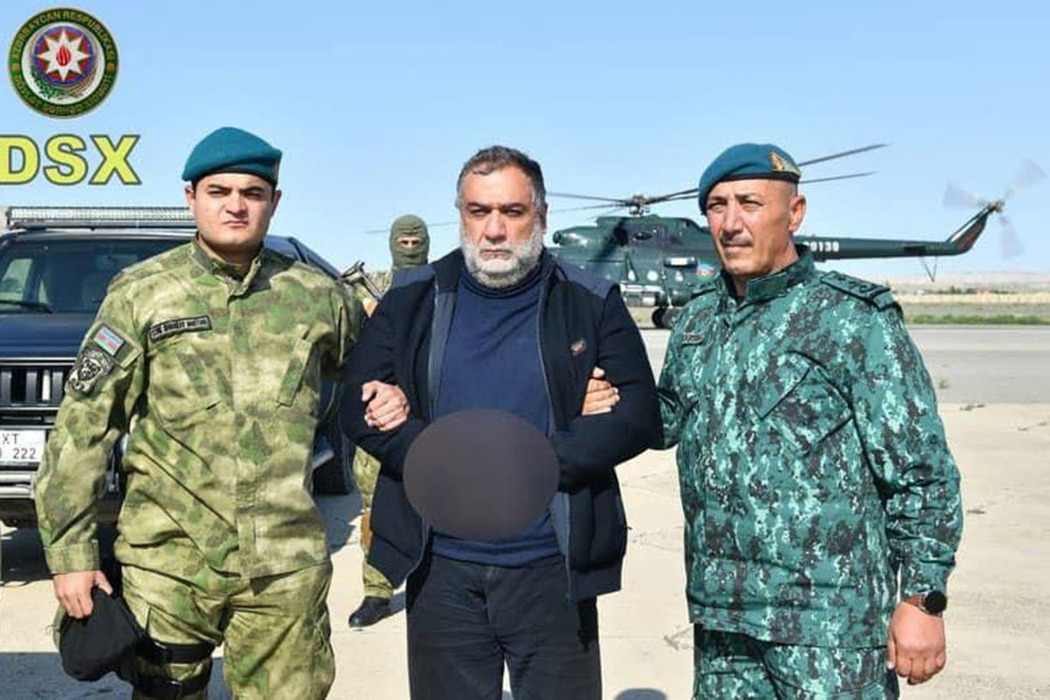
In recent years, Azerbaijani propaganda has increasingly relied on emotionally charged narratives to discredit individual Armenian figures and organizations. In this context, the film dedicated to businessman Ruben Vardanyan, who is currently imprisoned in Azerbaijan, is particularly illustrative.
The Public Tribunal has no intention of disseminating Azerbaijani propaganda narratives and therefore deliberately refrains from publishing a link to the aforementioned film on its media platforms. Nevertheless, ignoring such materials is impossible. For this reason, we consider it necessary to provide a thorough and comprehensive assessment of this product of the Azerbaijani propaganda machine.
At first glance, the film presents itself as a documentary: it lists facts from the businessman’s biography, recalls his ties with major companies, and mentions his involvement in charitable initiatives. However, closer examination reveals not an impartial analysis but a carefully constructed propaganda piece. Produced by Azerbaijani state media, the film aims to discredit the Armenian businessman, philanthropist, and public figure Ruben Vardanyan. He is accused of cooperation with the Kremlin, support for Russian military structures, financing armed units in Artsakh, and interference in political processes. Most of these claims constitute manipulation and misinformation.
False Accusations Related to Vardanyan's Activities in Artsakh
The film alleges that Vardanyan arrived in Artsakh as “Putin’s Trojan horse, financed armed units, and promoted separatism.”
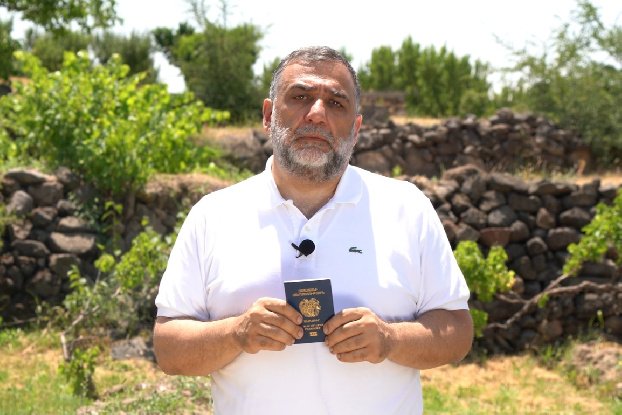
A critical analysis of these allegations shows the following:
- There is no verified evidence that Vardanyan financed any armed structures. The “We Are Our Mountains” Development Agency, funded by Vardanyan, is engaged exclusively in humanitarian and educational projects.
- Ruben Vardanyan did not participate in the First Artsakh War in any capacity and therefore could not have been involved in the “organization of separatism.”
- The “evidence” cited in the film is not supported by independent sources; many statements are anonymous or clearly politically biased.
- Vardanyan’s presence in Artsakh pursued humanitarian objectives rather than military or political ones.
Conclusion: Allegations of “military activity” represent a typical propaganda insinuation rather than substantiated fact.
Anti-Russian Orientation of the Film and Western Structures
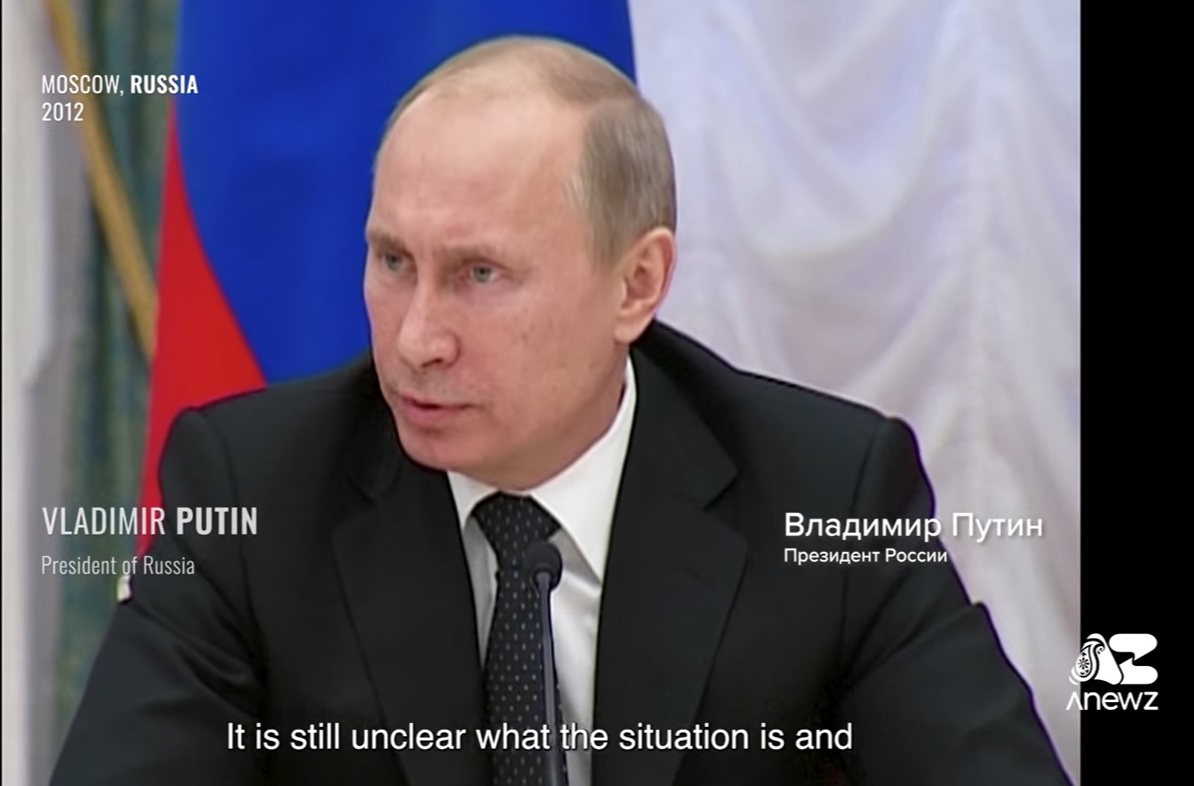
The film’s clearly anti-Russian narratives deserve special attention.
- Almost all allegations against Vardanyan are based on the assumption that he is “a Russian spy” and is involved in “Russian military schemes.”
- Such a narrative direction diverts attention from actual facts, creates an artificial image of a threat linked to Russia, and portrays Vardanyan as an instrument of the Kremlin’s allegedly aggressive policies.
- An analysis of the film’s composition, editing, and dissemination of fake news suggests that the filmmakers may be supported by Western media and PR companies interested in promoting anti-Russian rhetoric in the South Caucasus.
Thus, the film’s anti-Russian propaganda is presented as indirect but convincing evidence that Western, namely British, structures were involved in its production, using Azerbaijan as an instrument in an information war.
Армянские «комментаторы» и низость участия
The participation of certain Armenian figures and their negative comments about Ruben Vardanyan in the Azerbaijani film requires special attention. Among them are Tigran Khzmalyan, Samvel Babayan, and others, who offered interpretations and allegations that clearly coincided with the propaganda narratives of others. Their statements are not supported by facts and do not reflect the real activities of Ruben Vardanyan. The actions of such individuals bearing Armenian surnames contribute to the information war waged by others, exploiting internal Armenian disagreements to serve the propaganda objectives of Azerbaijan and its Western curators.
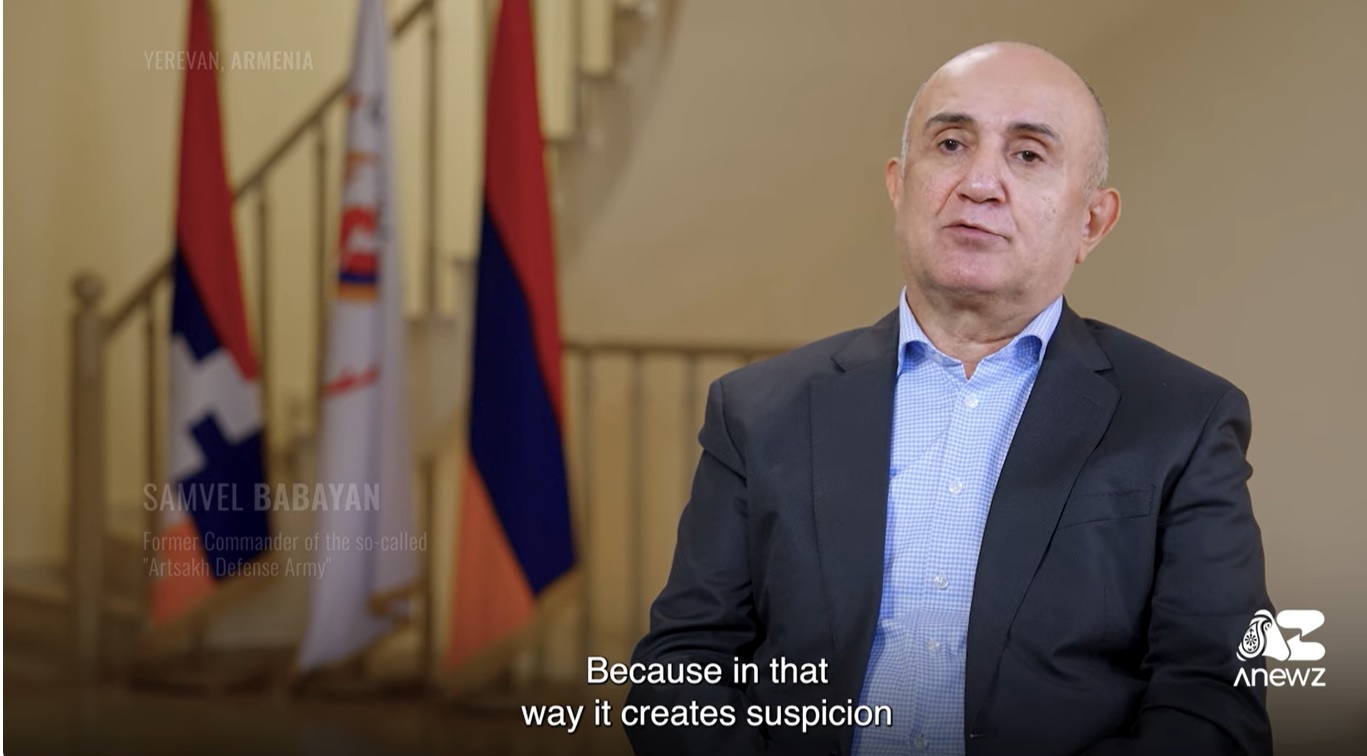
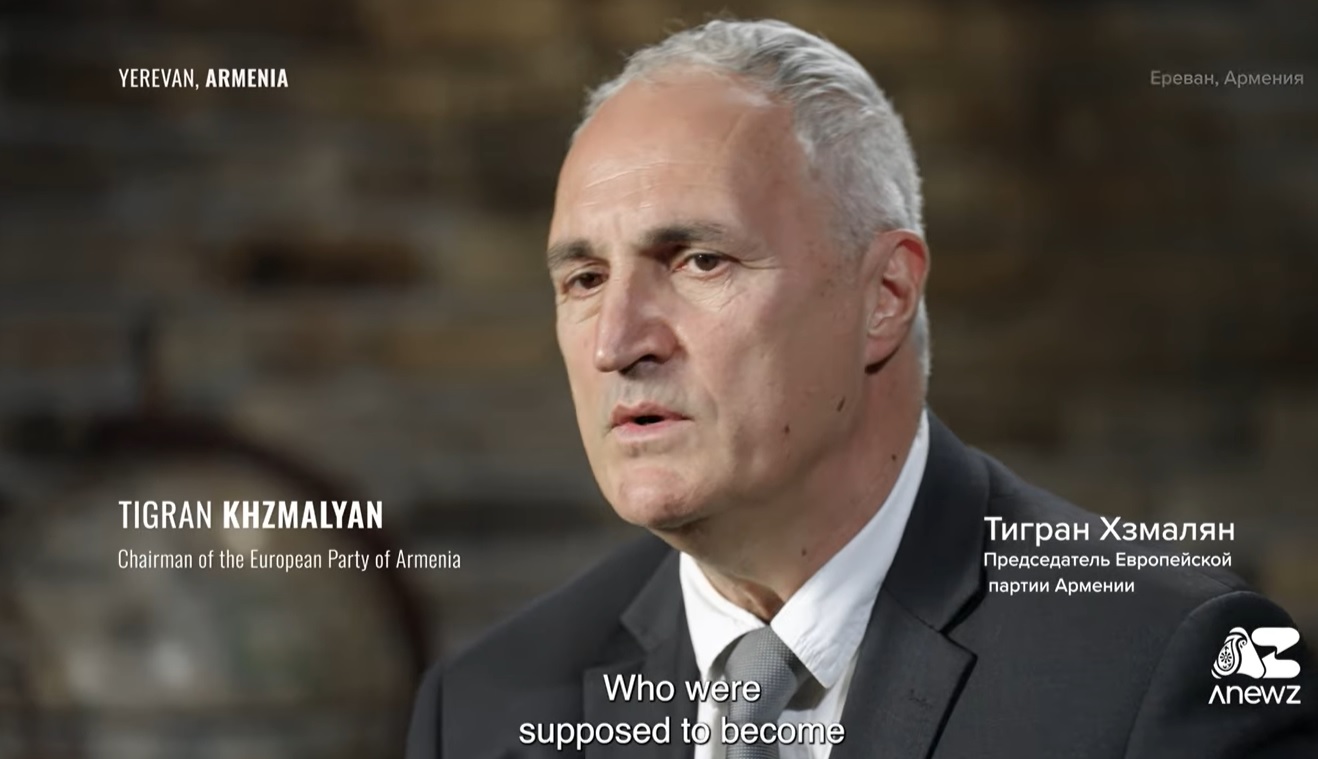
Thus, Khzmalyan, Babayan, and others demonstrated their meanness by becoming instruments for the dissemination of misinformation, placing their personal or political interests above truth and national solidarity.
The Public Tribunal's Conclusion
To recall, after the events of September 19, 2023, when Ruben Vardanyan attempted to leave Artsakh, he was captured by the Azerbaijani military and taken to Baku. The Azerbaijani authorities have orchestrated a judicial farce by separating his case from those of other members of the military and political leadership of Artsakh, as well as from the other Armenian captives. International observers and Vardanyan's lawyer have raised alarms over numerous legal violations, including restrictions on his right to a defense and political pressure.
In this context, the propagandist film serves to legitimize the narrative for a foreign audience and compensate for the lack of a legal basis behind Azerbaijan's actions. The film does not aim to provide facts; instead, it creates an illusion of facts, replacing legal arguments with editing, emotional appeal, and pre-arranged interpretations.
It is noteworthy that, upon closer examination, the film reveals itself as a self-justification tool for a country in a vulnerable position due to its evidently biased legal proceedings in Baku. Here, Azerbaijan does not act as a confident party asserting its correctness, but rather as a de facto defendant forced to explain its actions - not in a legal context, but in the media space.
This substitution of legal proceedings with a film is not only unconvincing but also methodologically flawed. The more the filmmakers attempt to prove the "legality" of the country’s actions, the more apparent the absence of legal justification becomes. As a result, the film fails to function as a documentary. It only proves that legal arguments have been replaced by propaganda designed to obscure the political and xenophobic nature of the true situation.
Despite Azerbaijan's genuine efforts to justify its actions through propaganda and judicial farce, the legal proceedings in Baku regarding the military and political leadership of Artsakh, as well as all other Armenian captives, remain a farce.
Ruben Vardanyan is still held in prison in Baku, but this does not diminish his merits and significance for the Armenian people. He remains a worthy and honorable son of Armenia, a living example of how an individual can sacrifice all their personal achievements for their homeland and people. His unwavering resolve demonstrates that no propaganda or judicial farce can alter the truth: Vardanyan is a symbol of loyalty, courage, and personal responsibility — an example of how an individual's love for their nation can surpass personal success.