
By Denying Genocide, Pashinyan Hands Armenia to the Turkish Yatagan
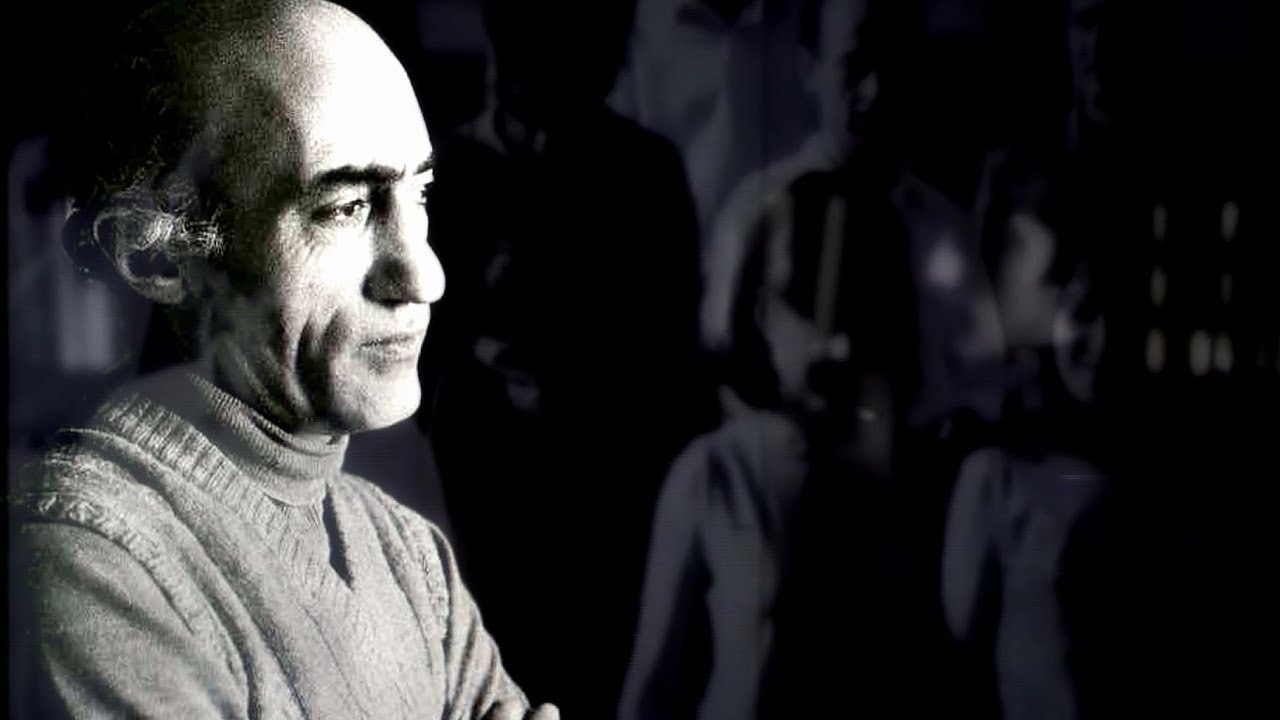
“What sets a human apart from an animal is memory. Memory is what makes one human. If you have memory, you’re still living through it — you’re human, you have scores to settle, you’re troubled. But if you’ve lost your memory, just look: there’s a cow calmly grazing, though her calf was slaughtered only yesterday.”
— Hrant Matevosyan
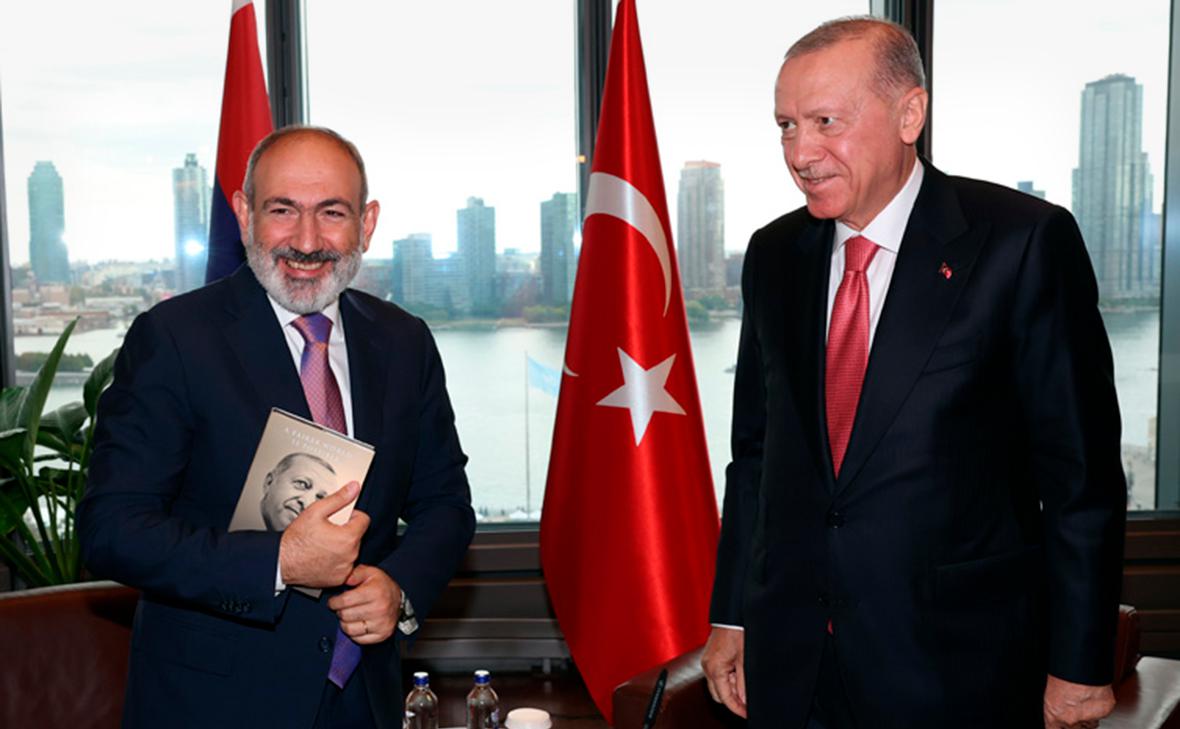
The period of Nikol Pashinyan’s governance has been marked by a series of defeats and humiliations for the Armenian people. Perhaps nothing is more degrading than the current political leadership's efforts to nullify decades of struggle for the international recognition of the Armenian Genocide in the Ottoman Empire. This is happening even though many countries have already acknowledged the Genocide, and even criminalized its denial. Under the guise of his “Era of Peace” doctrine, Prime Minister Nikol Pashinyan’s government is pursuing a policy that aims to sever the Armenian people from their historical memory. To borrow the words of Hrant Matevosyan, the “velvet authorities” are trying to turn the Armenian people into that memoryless animal—grazing quietly, indifferent to the past, stripped of grief, fear, and the will to seek justice. They want Armenians to forget their innocently massacred sons, to stop worrying about the repetition of genocide, and to make no claims against those who committed it. A striking example of this approach was Pashinyan’s ignorant, anti-scientific, and anti-civilizational speech delivered on April 24, 2024—Genocide Memorial Day. Here is an excerpt from that address:
“This large-scale tragedy took place during the years of the World War I, and the Armenian people, who had no statehood, had lost their statehood centuries ago, and essentially had forgotten the tradition of statehood, became victims of geopolitical intrigues and false promises, lacking first of all a political mind capable of making the world and its rules understandable.”
In fact, Nikol Pashinyan, on behalf of the Republic of Armenia, has absolved Turkey of responsibility for the Armenian Genocide, instead placing the blame on geopolitical actors and the naïve Armenian people, whom he describes as "lacking a political mind", for the "large-scale tragedy"
Another striking example of the Armenian government’s renunciation of its historical memory is Turkish President Recep Tayyip Erdogan’s statement made on April 23, on the eve of Armenian Genocide Memorial Day:
“Now, a new order is being established in the region. It is time to abandon baseless memories and to act based on the realities of the present, which is better than moving forward with fictional historical narratives that are disconnected from reality. Pashinyan now understands this as well,” Interfax quotes Erdogan as saying.
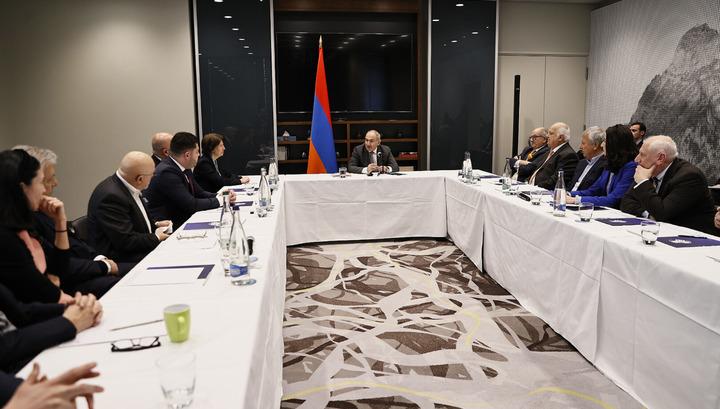
In January 2025, during a meeting with the Armenian Diaspora in Zurich, the Prime Minister of Armenia once again cast doubt on the fact of the Genocide:
«‘We should return to the issue of the Armenian Genocide. We must understand what happened and why, how we perceived it, and who influenced our perception. How did it happen that in 1939 the genocide issue wasn’t on the agenda, but by 1950 it had appeared on it?’ TASS quotes Pashinyan as saying.
Nikol Pashinyan’s supporter and Civil Contract Party member Andranik Kocharyan went even further, casting doubt on the widely accepted number of Genocide victims.
“After all, we need a full list of the victims—maybe there were more, maybe fewer than the 1.5 million we’ve long believed,” he said.
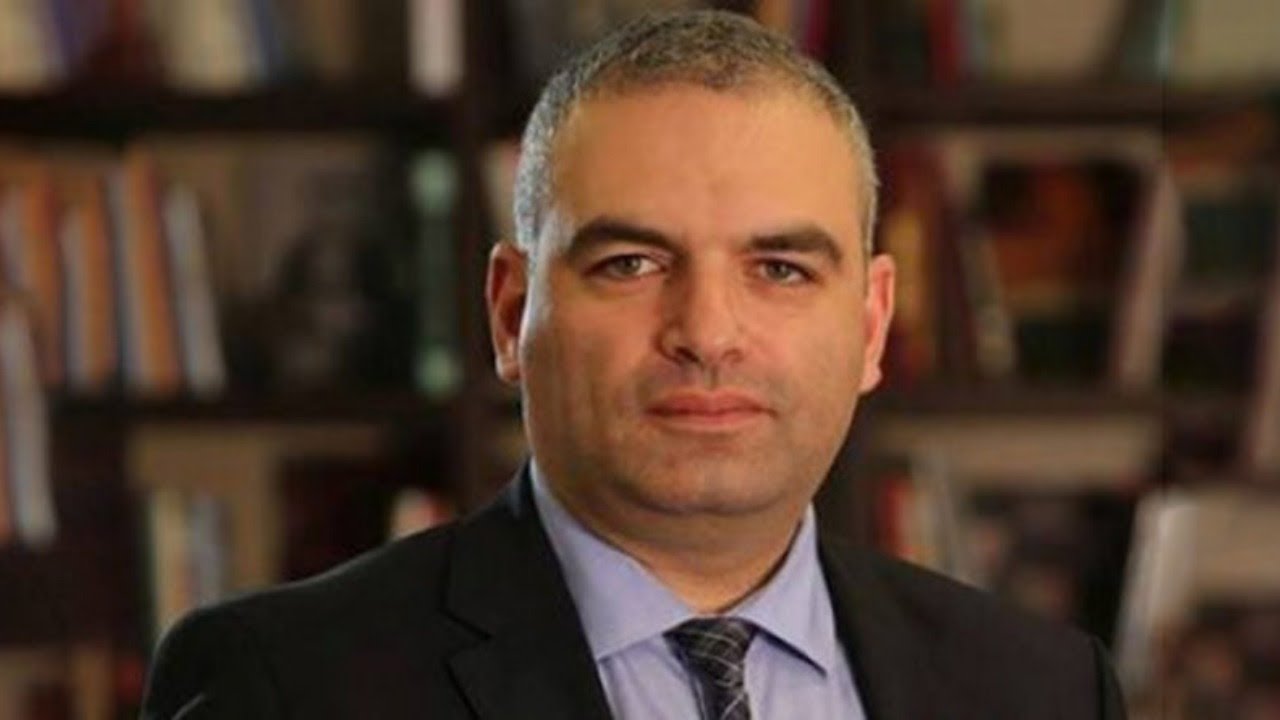
In an interview with 168.am, historian and former director of the Armenian Genocide Museum-Institute, Dr. Hayk Demoyan, criticized the Armenian leadership’s policy of Genocide denial. He accused the “velvet authorities” of laying the groundwork for a new genocide. According to Demoyan, Nikol Pashinyan’s denial of the Armenian Genocide “is interpreted by Turkey and Azerbaijan as a green light for similar crimes to go unpunished. They have already carried it out in Artsakh—and are now enjoying their impunity.”
“The criminal preserves the memory, while we are losing the memory of the victims — because today’s authorities are destroying and erasing that memory, which is the very foundation of our security,” said Hayk Demoyan.
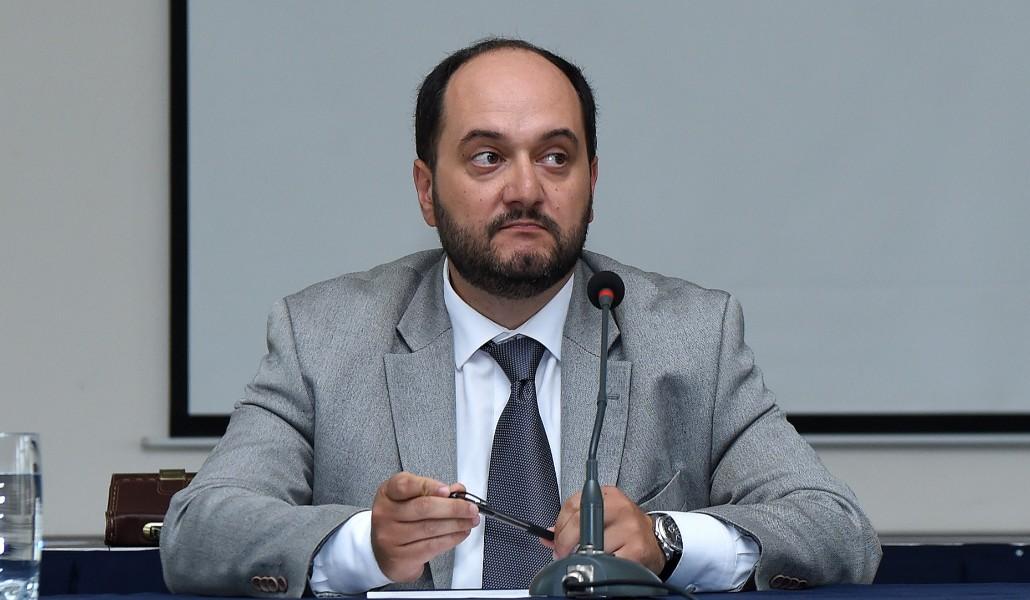
Hayk Demoyan also recalled that the Prime Minister’s Chief of Staff, Araik Harutyunyan, had been a member of an Armenian-Turkish youth reconciliation commission for four years — a fact noted in his official biography.
“No one — not even opposition members of parliament — has ever asked under what circumstances, where, and with what funding Araik Harutyunyan, who is today the Prime Minister’s right-hand man and perhaps even holds more responsibilities than Nikol Pashinyan himself, carried out this activity. Was he perhaps recruited…?”
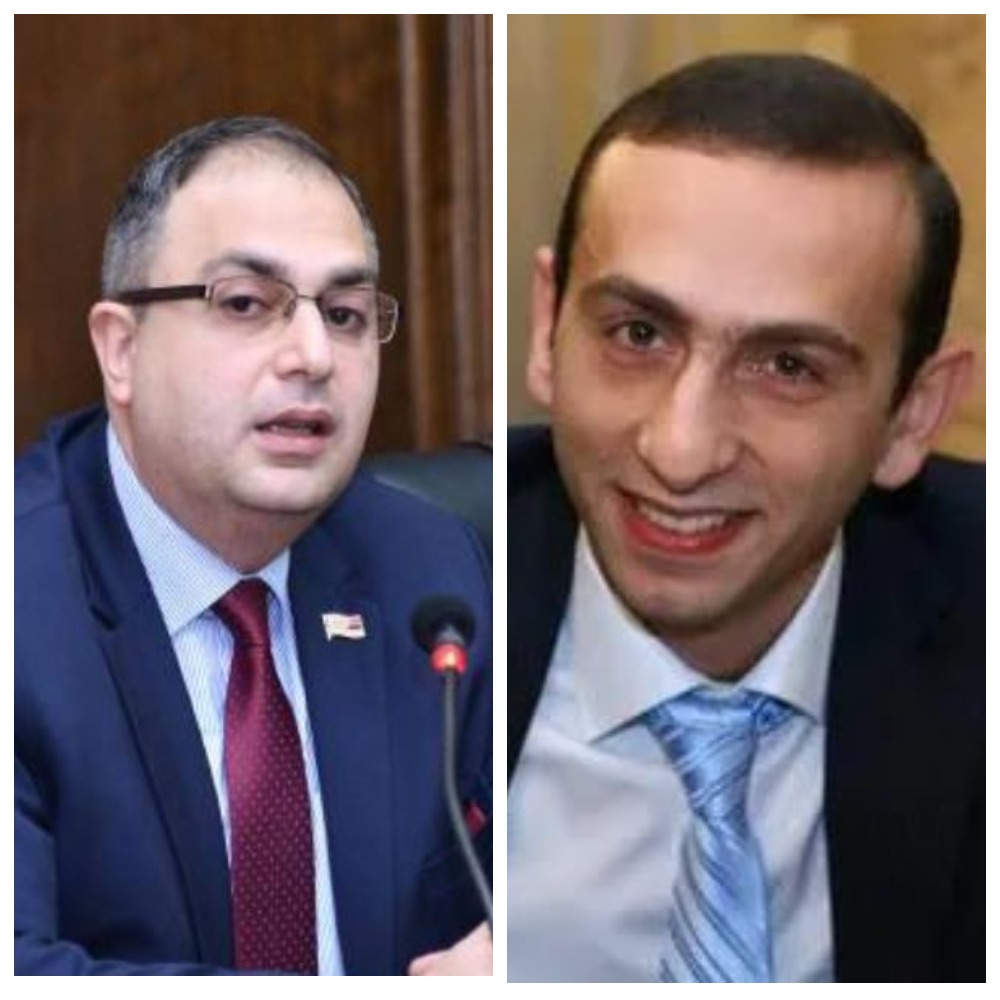
Demoyan also recalled an incident involving the current Foreign Minister of Armenia, Ararat Mirzoyan, and the theft of rare books from the Armenian Genocide Museum-Institute:
“Let’s talk about another ‘hero’—Ararat Mirzoyan. In 2004, I wasn’t yet the director of the Armenian Genocide Museum-Institute, nor was I working there. At that time, Ararat Mirzoyan and Vladimir Vardanyan were post-graduate students. During renovation work at the museum, 19 highly valuable pieces of ancient literature went missing. When asked why no criminal case was launched, the former director explained they didn’t want to stir up a scandal and said the theft had been carried out by post-graduate students. Then he named them.”
Hayk Demoyan’s full interview is available on the YouTube channel of 168.am.
The Lemkin Institute for Genocide Prevention and Human Security has condemned the Armenian Prime Minister’s stance on the Armenian Genocide:
“His senseless statements ignore the decades of historical research on the Armenian Genocide conducted by Turkish, German, British, American, and Armenian scholars, among others, stand in the way of the ongoing struggle for justice for the victims of the Armenian Genocide, and create a dangerous geopolitical dynamic, especially in the context of Azerbaijan’s recent genocide of Artsakh Armenians and its ongoing threats to the Republic of Armenia.”
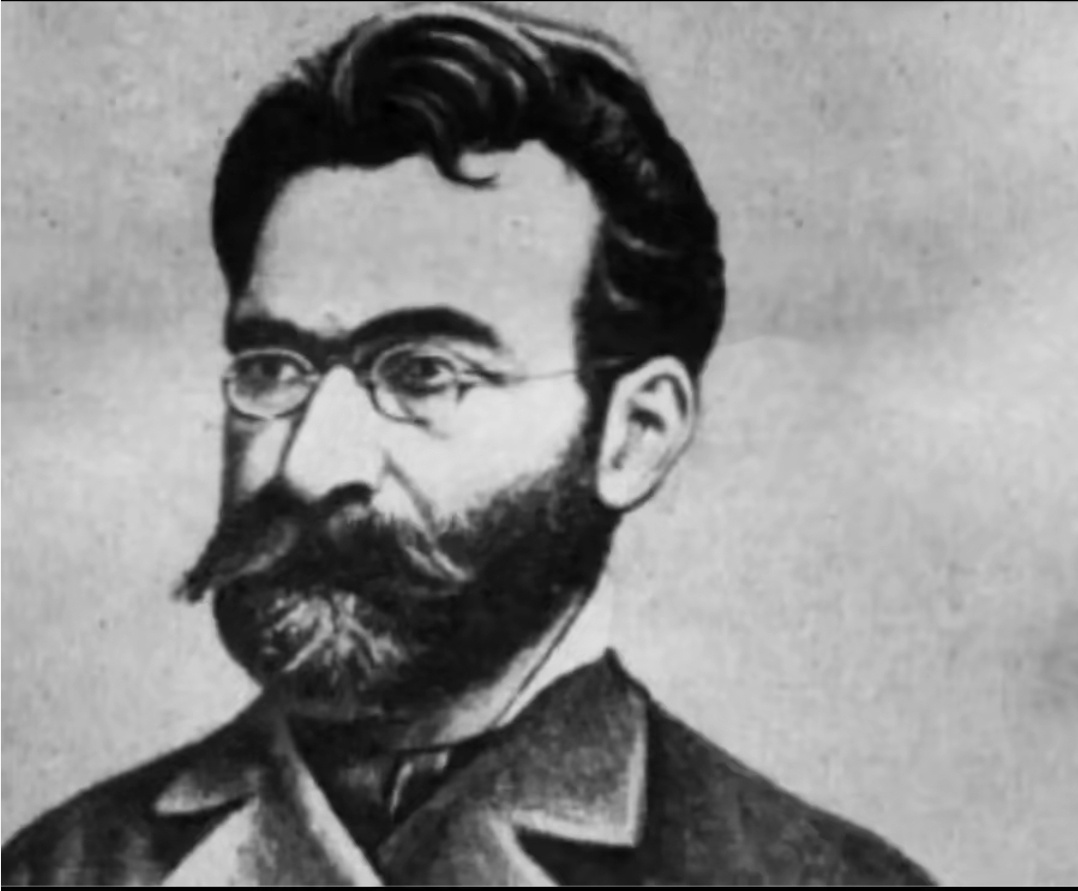
More than a century ago, the renowned Armenian writer Raffi captured the essence of Armenia’s predicament with remarkable precision:
“Our history is replete with episodes of treachery. Whenever the armies of Persians, Greeks, Arabs, Seljuks, or Mongols invaded our lands, there was always an Armenian among their commanders. There were always those who fought side by side with the enemy, against their own people.”
In conclusion, I express hope that the Armenian people will find the strength to put an end to this chain of defeats and humiliations. The traitors and those who betrayed the nation must be held accountable and punished to the fullest extent of the law. The Tribunal project will do everything necessary to ensure that justice is served."